
Steel Casing vs PVC Casing: Choosing the Right Well Casing
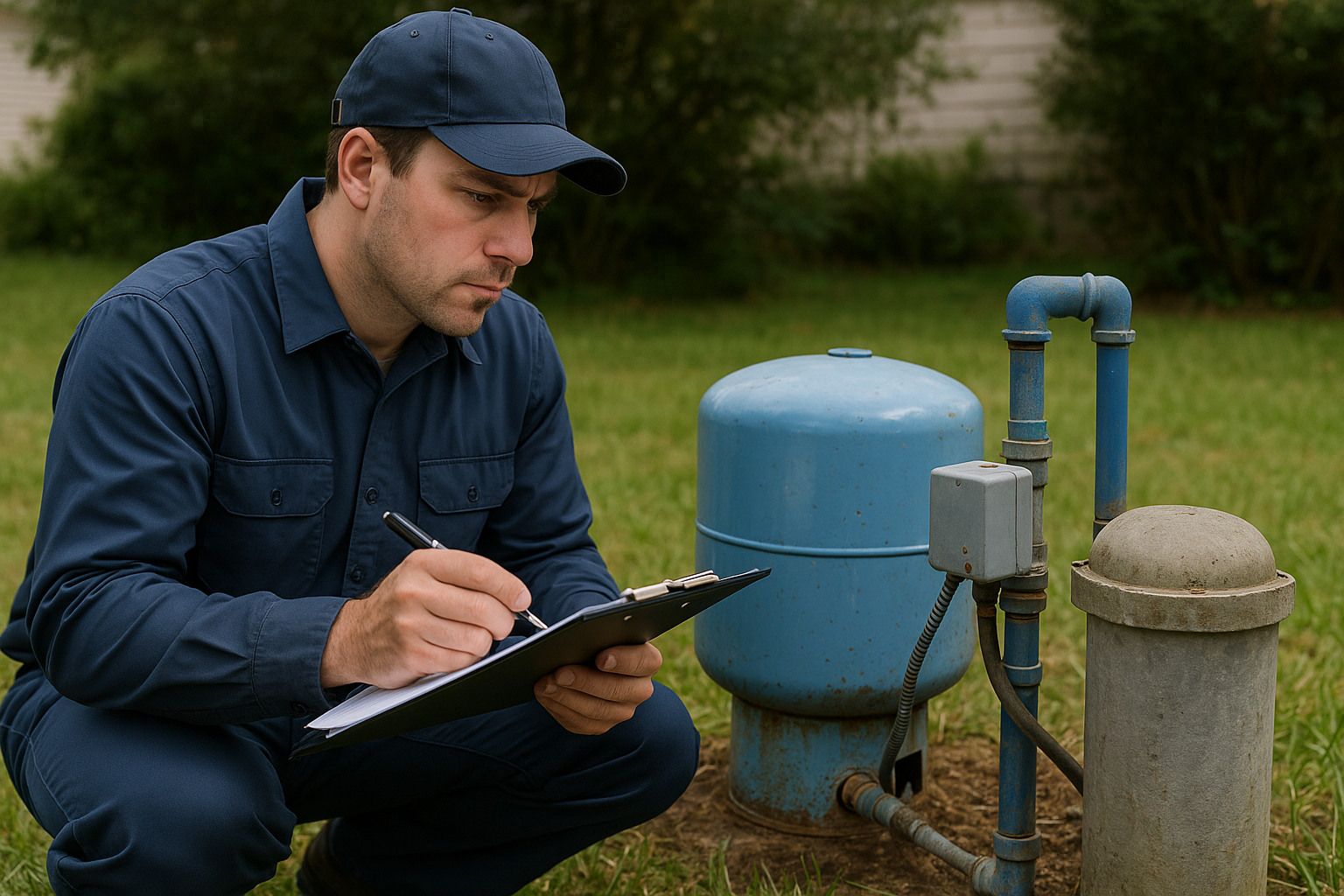
Compare steel and PVC well casing materials to understand durability, cost, and performance differences. Learn which casing material is best for your well installation.
📋 In This Guide
See our well casing services.
(760) 440-8520Why Well Casing Matters
Well casing is the pipe lining that forms the backbone of your well structure. It serves critical functions:
- Structural support: Prevents collapse of the borehole
- Contamination barrier: Seals out surface water and shallow groundwater
- Pump housing: Provides stable pathway for pump equipment
- Longevity: Must last 50+ years with minimal maintenance
The casing material you choose impacts well performance, lifespan, and cost. In California, both steel and PVC are approved for domestic wells when properly installed.
Quick Comparison: Steel vs PVC
| Factor | Steel | PVC |
|---|---|---|
| Cost per foot | $15-$30+ | $8-$15 |
| Lifespan | 50-80+ years | 50+ years |
| Maximum depth | Unlimited | ~400 feet* |
| Strength | Excellent | Good |
| Corrosion resistance | Moderate (can rust) | Excellent (won't corrode) |
| Weight | Heavy | Light |
| Installation ease | More difficult | Easier |
| Best for | Deep wells, unstable soils | Moderate depths, acidic water |
*Schedule 80 PVC can go deeper with proper support
Steel Casing: Types and Applications
Black Steel
- Cost: $15-$20/foot
- Lifespan: 40-60 years
- Best for: Deep wells, difficult drilling conditions
- Caution: Rusts in corrosive conditions
Galvanized Steel
- Cost: $18-$25/foot
- Lifespan: 50-70 years
- Best for: Most steel applications; zinc coating protects against corrosion
- Notes: Most common steel casing type
Stainless Steel
- Cost: $30-$50+/foot
- Lifespan: 80+ years
- Best for: Aggressive water chemistry, where longevity is paramount
- Notes: Premium option, rarely necessary for residential
Steel Casing Advantages
- Superior strength: Handles deep installations and soil pressure
- Durability: Resists damage during installation
- No depth limitation: Can go as deep as needed
- Stability: Excellent for shifting or unstable soils
Steel Casing Disadvantages
- Corrosion: Can rust, especially in acidic water or certain soils
- Weight: Heavy, requires more equipment to handle
- Cost: More expensive material and installation
- Iron issues: Corroding steel can add iron to water
PVC Casing: Types and Applications
Schedule 40 PVC
- Cost: $8-$12/foot
- Wall thickness: Thinner, lighter
- Best for: Shallow to moderate wells (under 200 feet)
- Limitations: Less pressure resistance
Schedule 80 PVC
- Cost: $12-$18/foot
- Wall thickness: Thicker, stronger
- Best for: Deeper installations (200-400+ feet)
- Notes: Most common PVC choice for water wells
PVC Casing Advantages
- Corrosion-proof: Won't rust, excellent for acidic water
- Lightweight: Easier handling and installation
- Lower cost: Both material and installation savings
- Smooth interior: Better flow, less friction
- Chemical resistance: Handles aggressive water chemistry
PVC Casing Disadvantages
- Depth limitations: Structural limits at extreme depths
- Temperature sensitivity: Can become brittle in extreme cold
- Soil pressure: May fail in highly unstable soils
- UV sensitivity: Degrades if exposed above ground without protection
Combination Casing Systems
Many wells use both materials strategically:
- Steel upper / PVC lower: Steel handles surface conditions and provides strength near the wellhead; PVC extends into the aquifer zone where corrosion resistance matters
- Steel through unstable zones: Steel casings through loose or shifting soil layers, PVC below
- PVC liner inside steel: Rehabilitating old steel wells with corrosion problems
Which Material Is Right for Your Well?
Choose Steel If:
- Well depth exceeds 400 feet
- Soil conditions are unstable or shifting
- Maximum longevity is the priority
- Local code requires it
- Aggressive drilling conditions (hard rock, boulders)
Choose PVC If:
- Well depth is under 400 feet
- Water is acidic (low pH) or corrosive
- Budget is a primary concern
- Soil conditions are stable
- Mountain/fractured rock wells (often corrosive conditions)
Cost Comparison
For a typical 300-foot residential well:
| Casing Type | Material Cost | Total with Installation |
|---|---|---|
| Schedule 40 PVC | $2,400-$3,600 | $4,000-$6,000 |
| Schedule 80 PVC | $3,600-$5,400 | $5,500-$8,000 |
| Galvanized Steel | $5,400-$7,500 | $8,000-$12,000 |
| Stainless Steel | $9,000-$15,000 | $12,000-$18,000 |
Note: Installation costs vary significantly based on depth, soil conditions, and location.
We service all major pump brands including Franklin Electric, Grundfos, Goulds (Xylem), and Sta-Rite (Pentair). Our trucks carry common parts and components for same-day repairs.
Frequently Asked Questions
How long does steel well casing last?
Galvanized steel typically lasts 50-70 years. Black steel may corrode faster (40-60 years) in acidic conditions. Stainless steel can exceed 80 years. Actual lifespan depends heavily on water chemistry and soil conditions.
Is PVC casing safe for drinking water?
Yes. NSF-certified PVC casing is approved for potable water wells. It doesn't leach harmful chemicals and is widely used in residential and commercial wells. Always ensure your driller uses NSF-certified materials.
Can you replace well casing without drilling a new well?
Sometimes. A smaller-diameter liner can be installed inside deteriorating casing. However, this reduces well diameter and may limit pump options. Full casing replacement is usually impractical—drilling a new well is often more cost-effective.
What casing diameter do I need?
Most residential wells use 6-inch casing, which accommodates standard 4-inch submersible pumps. High-flow applications may use 8-inch casing. Diameter affects pump selection and future service options.
Does casing type affect water quality?
Corroding steel casing can add iron to water and create rust staining. PVC doesn't affect water chemistry. If your water has sudden iron issues, casing corrosion may be the cause.
What if my old steel casing is corroding?
Options include: installing a PVC liner inside (reduces diameter), casing rehabilitation, or drilling a new well. A video inspection can assess damage severity and guide the decision.
Related Articles
Continue learning about well maintenance and troubleshooting

Get Expert Help
Contact Southern California Well Service for professional assistance.
Call (760) 440-8520Serving San Diego, Riverside & San Bernardino Counties