
Summer Water Conservation for Well Owners | SCWS
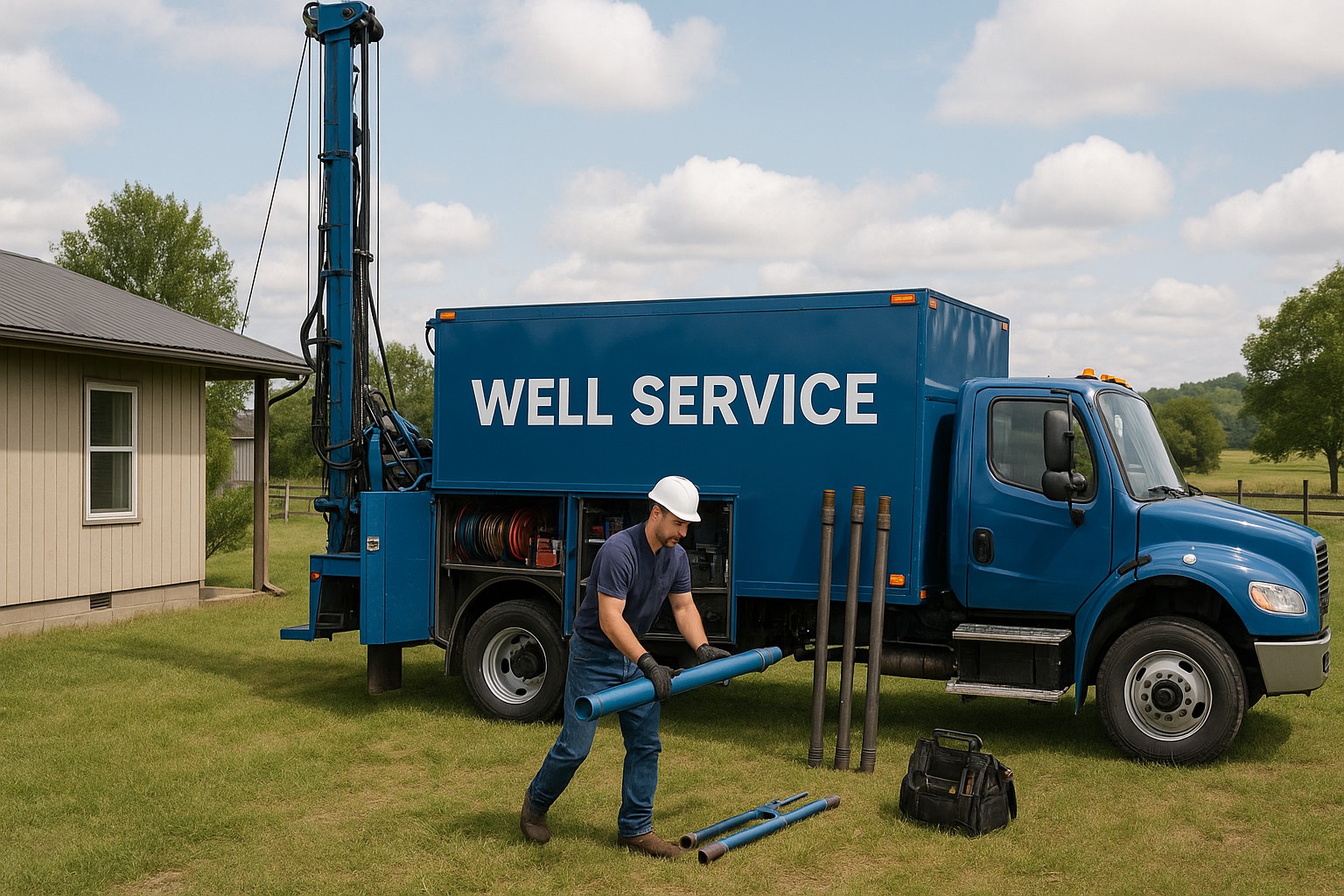
Smart strategies to manage your well water during San Diego's hot, dry summers. Learn how to conserve water, protect your pump, and maintain steady water pressure when demand peaks.
📋 In This Guide
See our summer well services.
(760) 440-8520Understanding Summer Well Demands
San Diego County summers push private wells to their limits:
- Temperature: Regularly exceeds 90°F May through October
- Rainfall: Minimal recharge during dry season
- Usage: 40-60% higher than winter months
- Water table: Drops throughout summer, especially during drought
Your well faces maximum demand precisely when aquifer recharge is lowest. Smart planning keeps your well healthy year-round.
Signs Your Well Is Stressed
Watch for these warning signs during summer:
- Air sputtering from faucets: Water level may be dropping near pump intake
- Reduced pressure: Well struggling to meet demand
- Muddy or sandy water: Pump pulling from near bottom
- Pump running longer: Working harder for same output
- Higher electric bills: Increased pump runtime
If you notice these signs, reduce usage immediately and consider having your well evaluated.
Smart Irrigation Strategies
Outdoor watering accounts for up to 70% of summer water use. Optimize with these strategies:
Timing
- Water before 6 AM: Minimal evaporation, lower wind
- Avoid 10 AM - 6 PM: Peak evaporation hours
- Spread out irrigation: Don't run everything at once (reduces peak demand on well)
Efficiency
- Drip irrigation: 90% efficient vs 50-70% for sprinklers
- Smart timers: Adjust based on weather and soil moisture
- Check for leaks: A single broken sprinkler head can waste hundreds of gallons
- Mulch: 2-4 inches reduces watering needs by 25%
Landscaping Changes
- Replace grass with drought-tolerant native plants
- Add hardscape (patios, pathways) to reduce irrigated area
- Group plants by water needs (hydrozoning)
- Consider artificial turf for small lawn areas
Protecting Your Pump System
High summer demand stresses your pump. Protect it with these measures:
Pressure Tank Sizing
An undersized tank causes rapid cycling that burns out pump motors. For high-demand households:
- Minimum 40-gallon tank for most homes
- 80+ gallons for heavy irrigation users
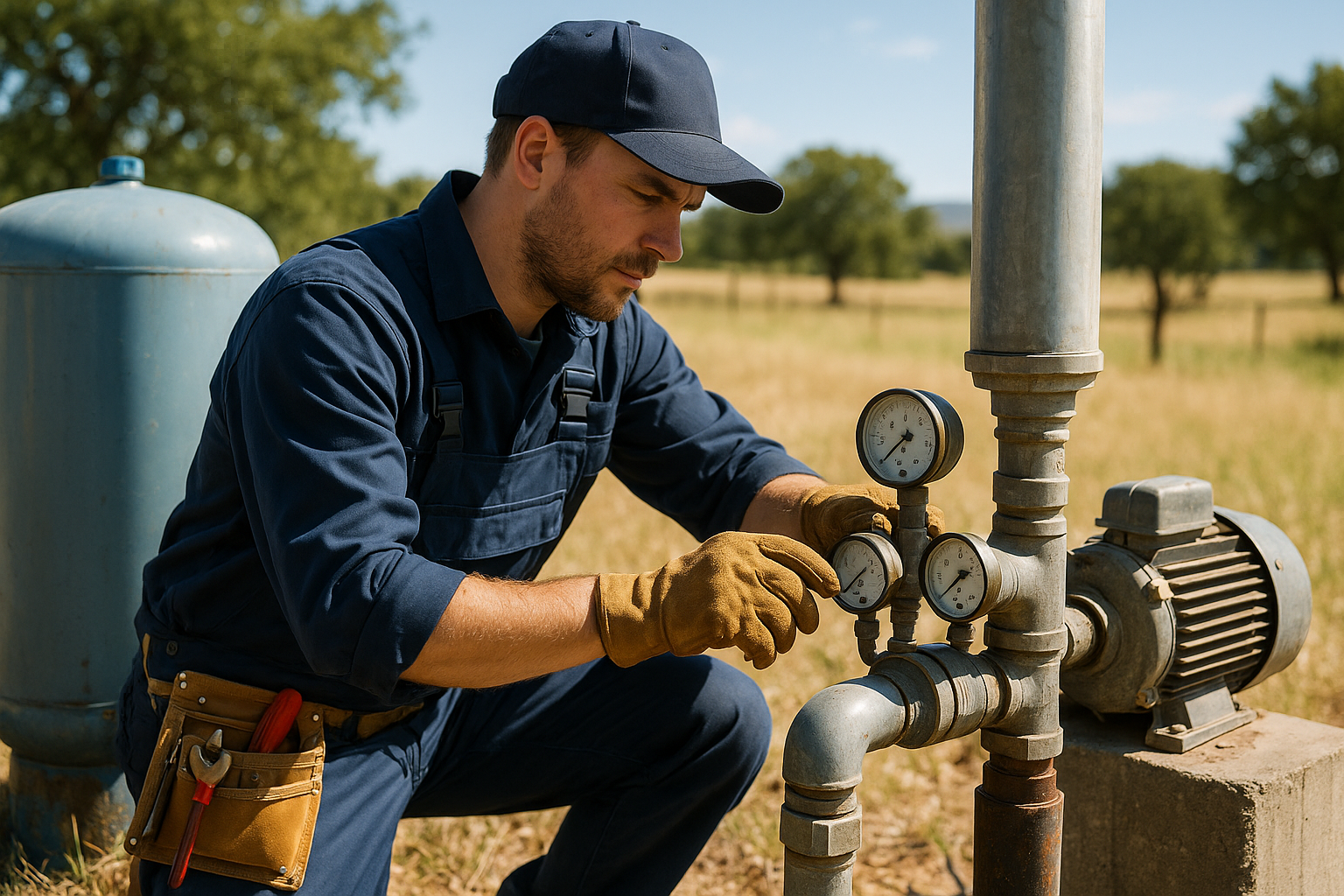
- Check tank air charge monthly during summer
Pump Protection Options
- Cycle stop valve ($200-$400): Prevents rapid cycling
- Low water cutoff ($150-$300): Shuts pump off if water level drops too low
- VFD/constant pressure ($2,000-$4,000): Pump speed matches demand, reducing wear
Summer Maintenance Checklist
- ☐ Check pressure tank air charge
- ☐ Inspect pressure switch contacts
- ☐ Clean or replace filters
- ☐ Check for leaks in visible plumbing
- ☐ Monitor pump amp draw (increasing = problem developing)
Indoor Conservation Tips
Indoor changes reduce pump runtime and save water for when you need it:
Fix Leaks Immediately
- One drip per second = 3,000 gallons/year
- Running toilet = 200+ gallons/day
- Check toilets with food coloring test
Efficient Fixtures
- Low-flow showerheads: 1.5 GPM vs 2.5 GPM standard
- Aerators on faucets: Reduce flow while maintaining pressure feel
- Dual-flush toilets: 0.8/1.6 gallons vs 1.6 standard
Usage Habits
- Full loads only for dishwasher and washing machine
- Shorter showers (5 minutes saves 10+ gallons vs 10 minutes)
- Turn off water while brushing teeth, shaving
- Collect cold water while waiting for hot (use for plants)
Low-Yield Well Strategies
If your well produces less than 5 GPM, summer requires extra care:
- Storage tank: Collects water during off-peak times for high-demand periods
- Timed usage: Spread out showers, laundry, irrigation
- Recovery monitoring: Let well recover between heavy uses
- Consider well deepening: Access deeper, more reliable water
We service all major pump brands including Franklin Electric, Grundfos, Goulds (Xylem), and Sta-Rite (Pentair). Our trucks carry common parts and components for same-day repairs.
Frequently Asked Questions
How much more water do wells use in summer?
Most San Diego County wells see 40-60% higher usage during summer, primarily from irrigation. Heavy irrigators may see 100%+ increase. Monitoring usage helps prevent pump strain and identifies inefficiencies.
Can running my well pump too much damage it?
Yes. Continuous cycling causes motor overheating and premature wear. Running dry (when water level drops below intake) can destroy a pump in minutes. Proper tank sizing and low-water protection prevent damage.
Should I water my lawn with well water in summer?
Be strategic. Water before 6 AM to minimize evaporation, use drip irrigation where possible, and consider drought-tolerant landscaping. Don't exceed your well's sustainable yield.
How do I know my well's sustainable yield?
A pumping test measures how much water your well produces and how quickly it recovers. This tells you how many gallons per day you can safely use. Professional testing costs $300-$600.
What if my well can't keep up with summer demand?
Options include: storage tank system (stores water during recovery), well deepening (accesses more water), second well, or reducing demand (drought-tolerant landscaping). We can evaluate your situation.
Does pool filling stress my well?
Yes, significantly. A typical pool requires 15,000-25,000 gallons. Fill slowly over several days (not all at once), or consider a water delivery service for initial fill to avoid stressing your well.
Related Articles
Continue learning about well maintenance and troubleshooting

Get Expert Help
Contact Southern California Well Service for professional assistance.
Call (760) 440-8520Serving San Diego, Riverside & San Bernardino Counties