Union Fittings in Well Systems: Why They Matter
Union fittings are essential for well system maintenance—they allow service without cutting or dismantling pipes. Understand their purpose, placement, and why every well owner should ensure their well plumbing is equipped with unions.
📋 In This Guide
Need expert help installing or servicing your well system? We specialize in efficient, reliable piping and fittings—serving all of San Diego County.
Call (760) 440-8520What is a Union Fitting?
A union fitting is a specialized plumbing connector that allows two pipes to be easily disconnected and reconnected without rotating the pipes. They're invaluable in well systems because they simplify maintenance and repairs.
Types of Union Fittings
- Threaded unions – Standard choice, tighten with a wrench. Suitable for metal piping (brass, stainless steel).
- Soldered unions – Used with copper pipe, provide permanent leak-free joints.
- Compression unions – Used for quick installation, especially on softer materials like PEX or plastic.
- Plastic unions – Typically PVC, good for irrigation systems and low-pressure applications.
Material Considerations
Brass: Corrosion-resistant, durable, and commonly used where water chemistry could lead to metal pitting or degradation.
Stainless Steel: Excellent for harsh conditions, including hard water, chlorinated water, and coastal areas with exposure to salt air.
PVC/Plastic: Suitable for non-pressure applications, indoor setups, or temporary connections.
Where to Place Union Fittings in a Well System
Key locations for union fittings include:
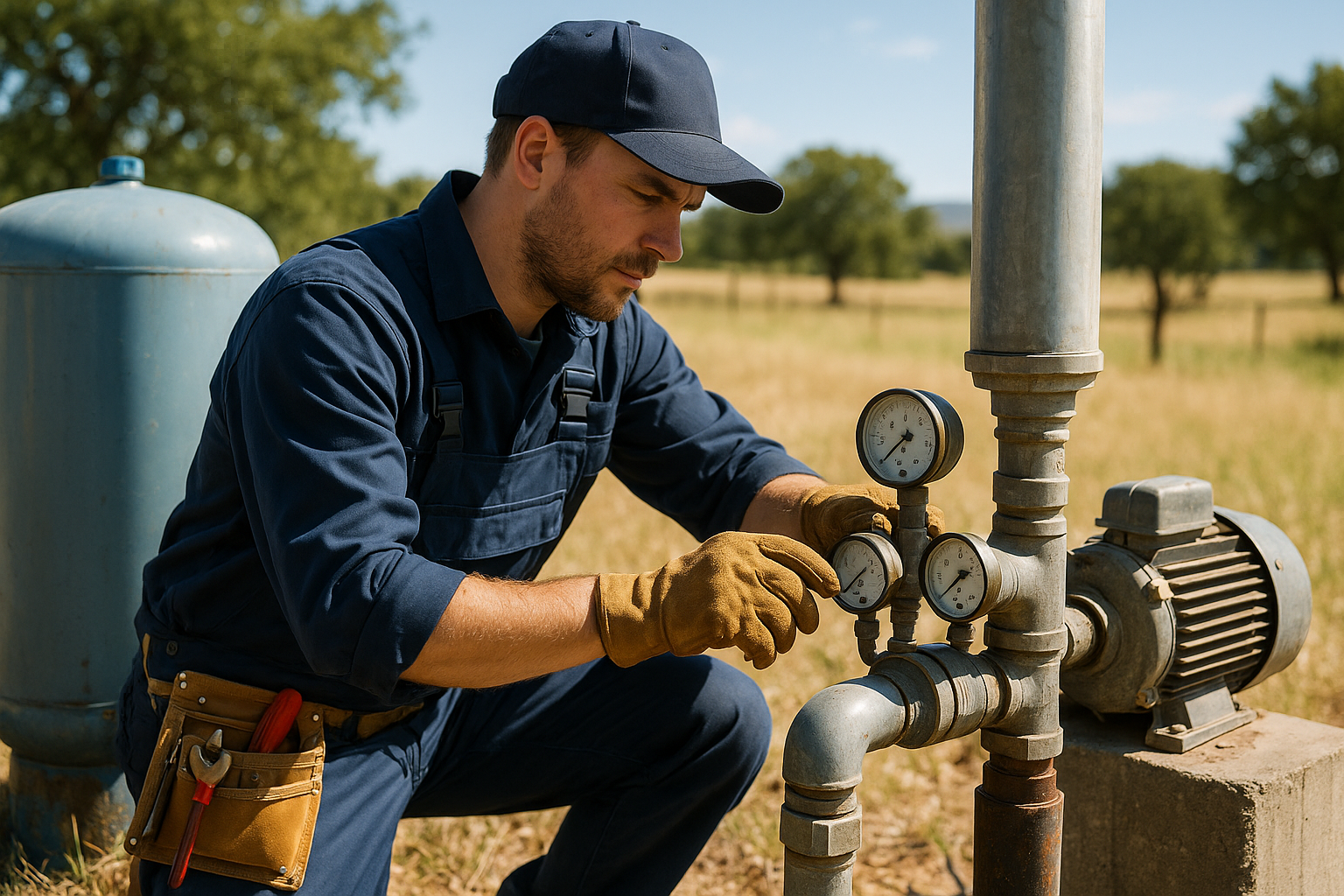
- At the well pump: Allows easy pump removal for service or replacement.
- Near pressure tanks: Facilitates swapping tanks or access without disassembling the entire system.
- Along filter setups: Quick removal of filters or treatment components for cleaning or replacement.
- At water heaters: Replace or maintain heaters without adjusting fixed plumbing.
- On water softeners: Simplifies service and maintenance checks.
Benefits of Using Union Fittings
- Service Ease: Disassemble sections rapidly without cutting or gluing pipes. Ideal for homeowners doing quick repairs or major replacements.
- Minimal Downtime: Speedy repairs mean less time without water.
- Preventative Maintenance: Enables routine maintenance of pressure tanks, filters, and seals without disturbing connections.
- System Flexibility: Easy to expand or modify plumbing layouts over time.
Installation Best Practices
Proper installation ensures reliability and longevity:
- Select the Right Union: Match material and connection method (threaded, compression, etc.) to the existing system.
- Tighten Carefully: Hand-tighten initially, then use a wrench or pliers to complete. Avoid overtightening, especially on plastic unions.
- Seal Threads: For threaded unions, apply Teflon tape or pipe dope to ensure a watertight seal.
- Regularly Inspect: Check unions for signs of corrosion, leaks, or cracks. Tighten or replace as necessary.
- Maintain Alignment: Keep pipes straight and aligned to avoid stress on unions or leaks over time.
When a union fitting becomes stiff or seems prone to leaks, consider cleaning or replacing it—a well-maintained system maximizes efficiency and reliability.
Need Assistance Choosing or Installing Union Fittings?
Our experienced team can evaluate your system, recommend the right fittings, and ensure proper installation for improved reliability.
See our maintenance services or well service costs guide.
Call (760) 440-8520Serving San Diego, Riverside & San Bernardino Counties
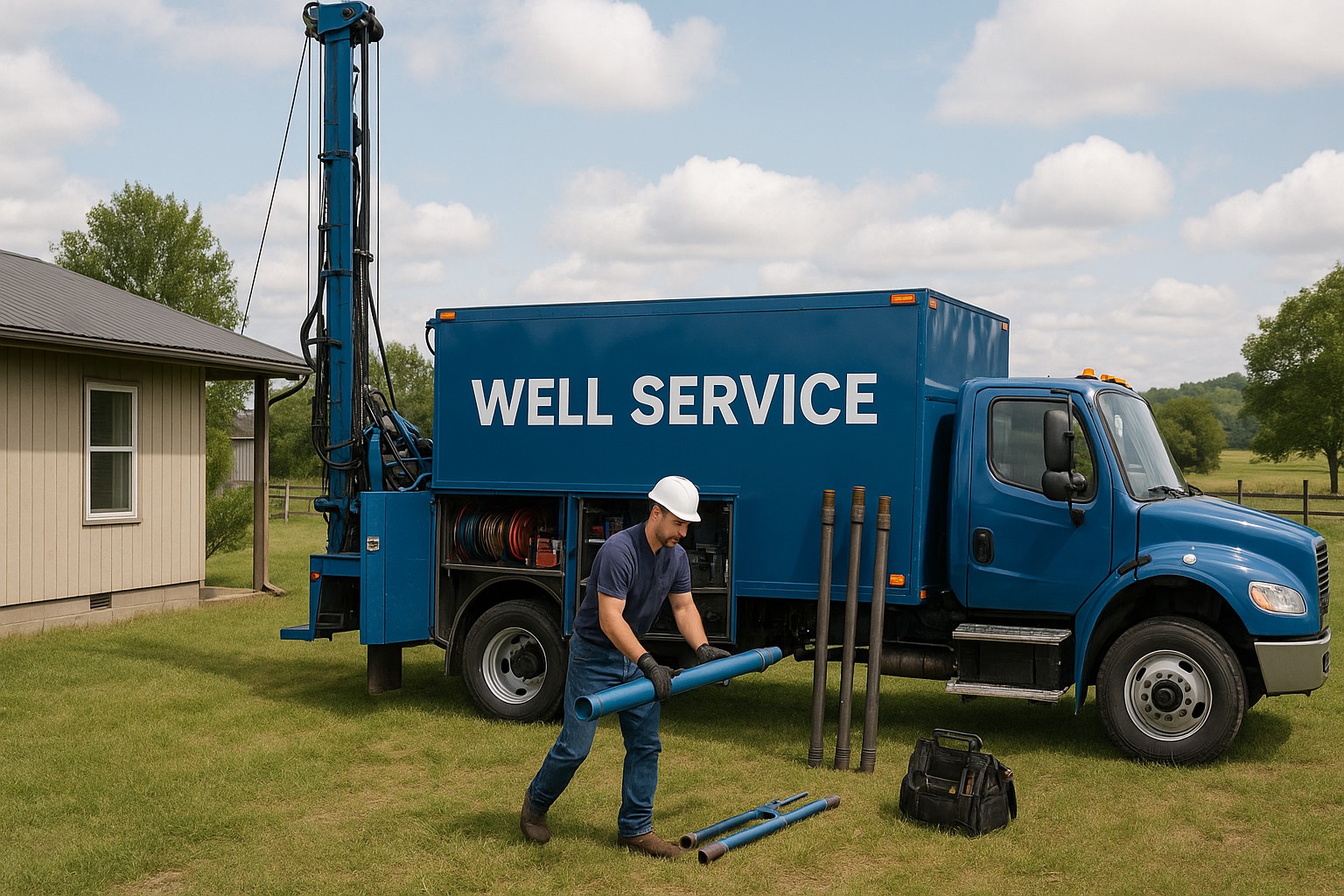
We service all major pump brands including Franklin Electric, Grundfos, Goulds (Xylem), and Sta-Rite (Pentair). Our trucks carry common parts and components for same-day repairs.
Frequently Asked Questions
What is a union fitting, and why is it used in well systems?
A union fitting is a plumbing connector allowing easy disassembly of pipes for service or repair. In well systems, they enable quick access to pumps, tanks, and other components without cuts or damage, improving serviceability while minimizing downtime.
Where should union fittings be placed in a well system?
Union fittings should be placed at key disconnection points, such as near the well pump, pressure tank, filters, and water softeners. This configuration allows isolated removal or replacement of specific components without needing to rework the entire system.
Are there different types of union fittings for specific applications?
Yes, multiple types exist including threaded, soldered, compression, and plastic unions. Material selection (brass, stainless steel, PVC) depends on the pipe type, application, and water chemistry. For outdoor or corrosive environments, brass or stainless steel are best.
Can union fittings be used on all pipe types?
Union fittings are available for most pipe materials, including copper, PVC, PEX, and steel. Always choose the specific union appropriate for the pipe material you're working with to ensure compatibility.
How often should union fittings be checked?
Inspect union fittings during routine well system checks or annual maintenance. Check for seals, alignment, and potential leaks—especially before and after any seasonal changes where thermal expansion may influence joint integrity.
Get Expert Help
Contact Southern California Well Service for professional plumbing installation and servicing.
Call (760) 440-8520Serving San Diego, Riverside & San Bernardino Counties
Related Articles
Continue learning about well maintenance and troubleshooting