Water Well Pump Installation: Complete Guide for San Diego & Riverside County Homeowners
Published February 2, 2025 | 18 min read
📋 In This Guide
- Understanding Water Well Pumps
- The Water Well Pump Installation Process
- Water Well Pump Installation Costs in San Diego
- Signs You Need Pump Installation or Replacement
- Why Professional Installation Matters
- Choosing the Right Pump Brand
- Post-Installation Care and Maintenance
- Service Areas for Pump Installation
- Frequently Asked Questions
- Related Articles
Water well pump installation is one of the most critical components of your well system. The right pump, properly installed, ensures reliable water delivery for decades. Whether you're installing a pump in a new well, replacing an aging pump, or upgrading your system, this comprehensive guide covers everything San Diego and Riverside County homeowners need to know about well pump installation.
Need Professional Pump Installation? Southern California Well Service provides expert water well pump installation throughout San Diego and Riverside Counties. Licensed C-57 contractor with decades of experience. Call (760) 440-8520 for a free estimate.
Understanding Water Well Pumps
Before diving into the installation process, it's important to understand the different types of well pumps and which is right for your situation. The type of pump you need depends primarily on your well's depth and your water requirements.
Submersible Well Pumps
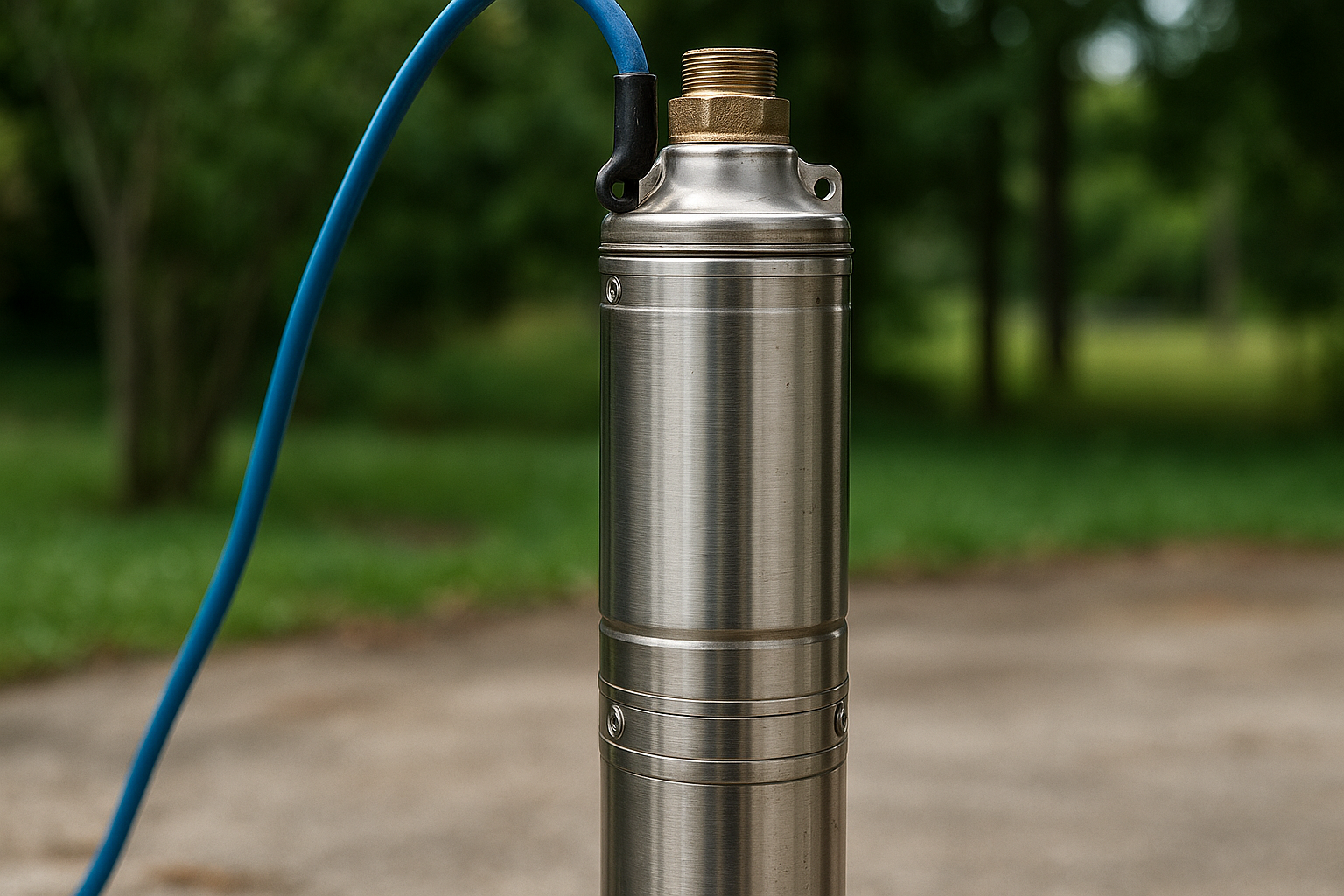
Submersible pumps are the most common choice for residential wells in San Diego and Riverside Counties. These pumps are installed deep inside the well, submerged below the water level.
- Best for: Wells deeper than 25 feet (most local wells)
- Typical depth range: 25 to 400+ feet
- Advantages: Quiet operation, efficient, long-lasting, no priming needed
- Lifespan: 15-25 years with proper maintenance
- Installation: Requires specialized equipment to lower into well
In our service area, approximately 90% of residential wells use submersible pumps due to typical well depths of 200-500 feet. These pumps push water up rather than pulling it, making them far more efficient for deep water sources.
Jet Pumps (Shallow Well)
Jet pumps are installed above ground and use suction to draw water from shallow wells.
- Best for: Wells 25 feet deep or less
- Advantages: Easy access for maintenance, lower initial cost
- Disadvantages: Limited depth capability, noisier, require priming
- Lifespan: 10-15 years
Convertible Jet Pumps (Deep Well)
These above-ground pumps can work with deeper wells (up to 90 feet) using a two-pipe system with a jet assembly in the well.
- Best for: Wells 25-90 feet deep
- Advantages: Above-ground access, moderate depth capability
- Disadvantages: Less efficient than submersible, more complex installation
The Water Well Pump Installation Process
Professional water well pump installation involves several critical steps. Here's what to expect when you hire a licensed contractor for pump installation:
Step 1: Well Assessment and Pump Sizing
Before any equipment is purchased, your contractor will assess your well and calculate the right pump size. This involves:
- Measuring static water level: How deep the water sits when the pump isn't running
- Determining drawdown: How much the water level drops during pumping
- Calculating GPM requirements: Based on household size and water usage
- Computing Total Dynamic Head (TDH): The total "lift" the pump must overcome
- Checking well recovery rate: How fast water replenishes
Pump Sizing Formula Components
Total Dynamic Head (TDH) = Vertical lift + Friction loss + Pressure requirement
- Vertical lift: Depth to water + height to pressure tank
- Friction loss: Resistance from pipes and fittings (typically 5-15%)
- Pressure requirement: Usually 40-60 PSI (92-138 feet of head)
Step 2: Equipment Selection
Based on the assessment, your contractor will recommend specific equipment:
- Pump horsepower: Typically 1/2 HP to 2 HP for residential
- Pump brand: Quality brands like Grundfos, Franklin Electric, or Goulds
- Wire gauge: Must match pump amperage and distance
- Drop pipe: PVC or polyethylene based on depth and chemistry
- Control box: Manages pump operation and protection
- Torque arrestor: Prevents pump spin during startup
Step 3: Removal of Old Pump (If Replacing)
For pump replacements, the old pump must be carefully removed:
- Power disconnected and locked out
- Well cap removed
- Pump and pipe pulled using specialized equipment (winch or crane for deep pumps)
- Old pump inspected to diagnose failure cause
- Well inspected with camera if issues suspected
Step 4: New Pump Assembly
The new pump assembly is carefully prepared before lowering into the well:
- Pump motor and pump end connected
- Electrical splices waterproofed with heat-shrink tubing
- Safety rope attached as backup
- Torque arrestor installed
- Check valve installed to prevent backflow
- Drop pipe connected to pump outlet
Step 5: Pump Installation
The assembled pump is carefully lowered into the well:
- Pump lowered slowly to avoid damage
- Pipe sections joined as pump descends
- Wire secured to pipe at regular intervals
- Pump set at calculated depth (typically 10-20 feet above well bottom)
- Pitless adapter connected (or sanitary well seal installed)
- Well cap sealed to prevent contamination
Step 6: Electrical Connection
Proper electrical installation is critical for pump longevity:
- Control box mounted near pressure tank
- Wiring connected per manufacturer specifications
- Ground wire properly connected
- Lightning/surge protection installed
- Breaker sized correctly for pump amperage
Step 7: System Testing and Adjustment
After installation, thorough testing ensures proper operation:
- Pump primed and started
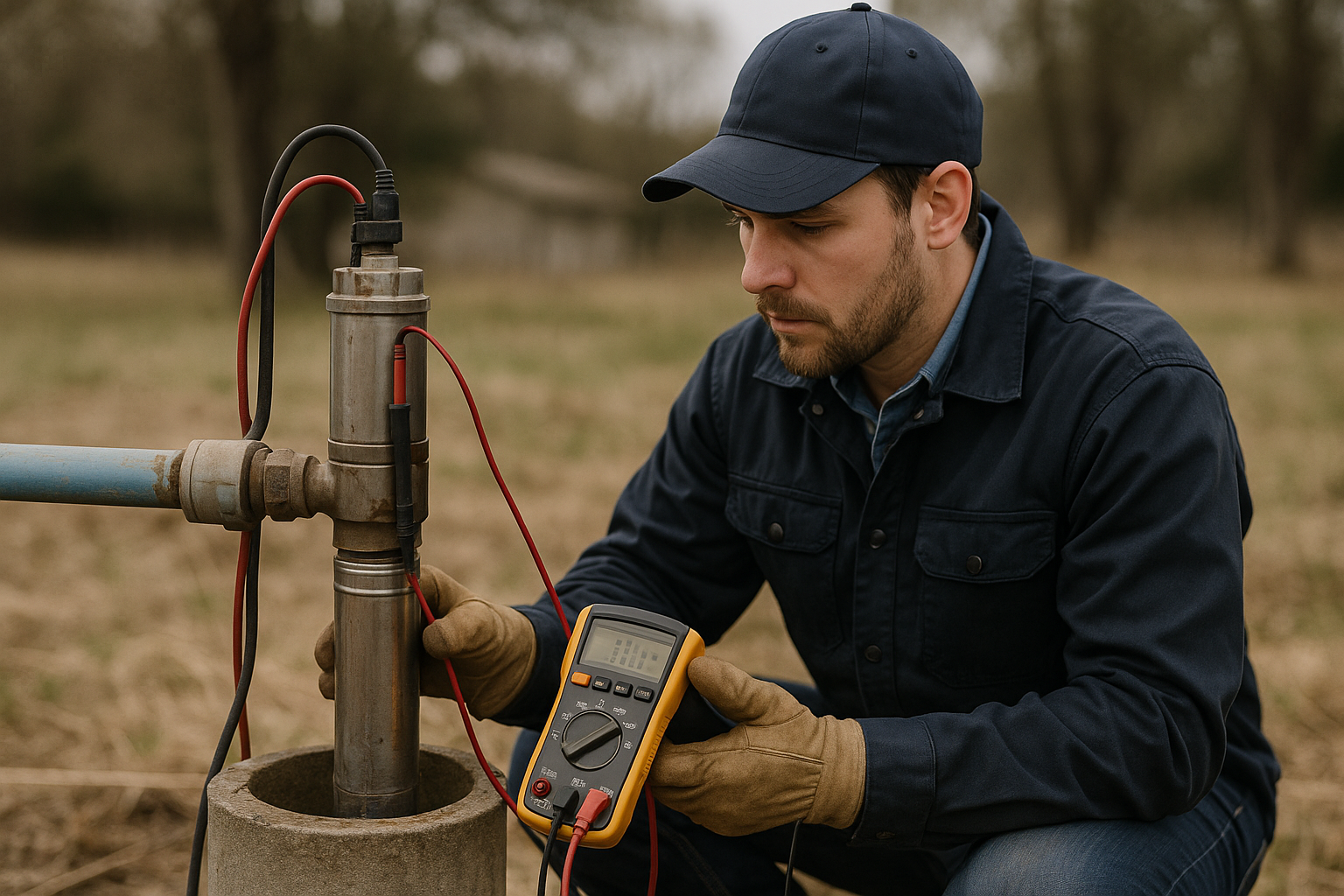
- Amperage checked against specifications
- GPM measured at various flow rates
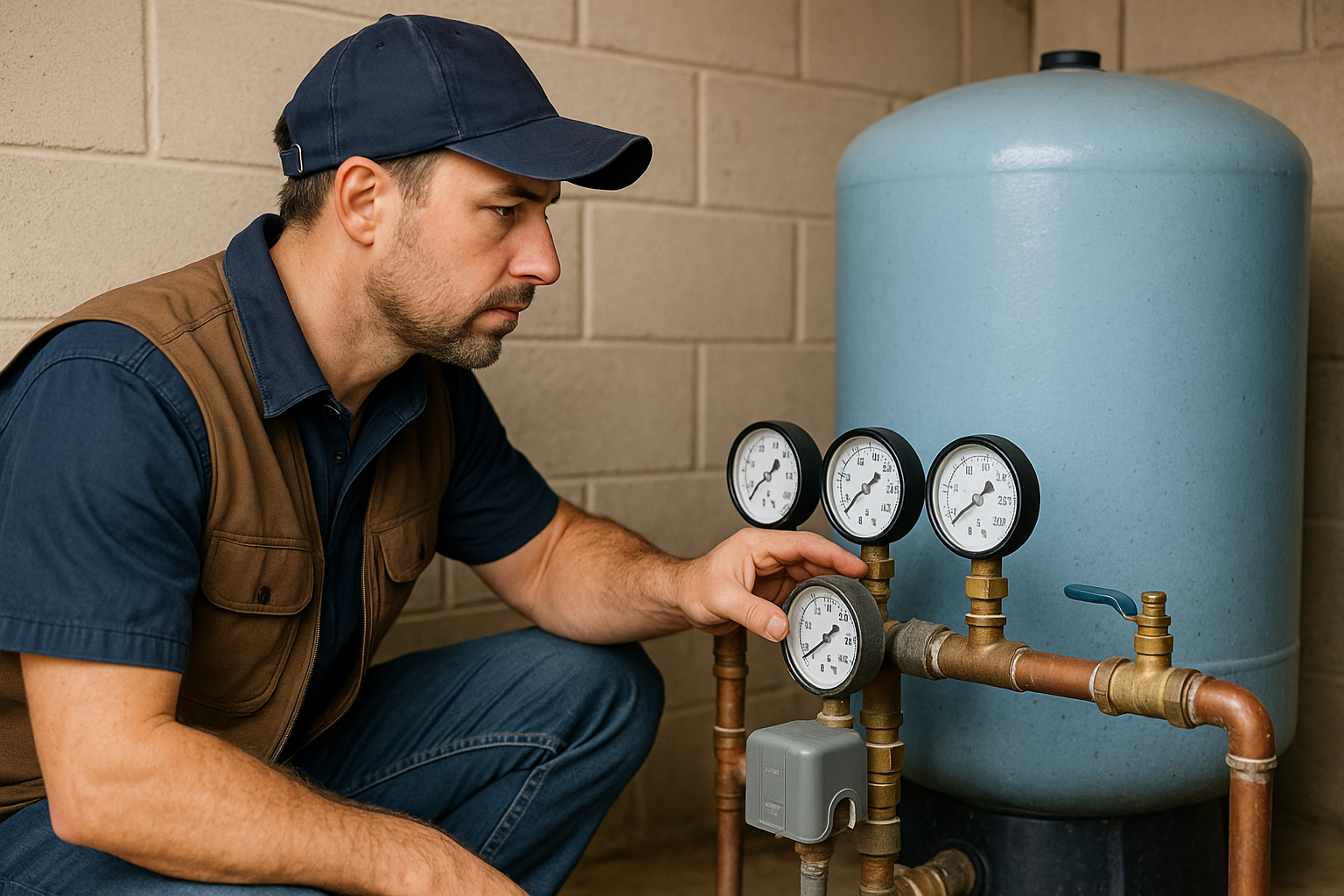
- Pressure switch adjusted (typically 40/60 PSI)
- Pressure tank pre-charge verified
- System cycled multiple times to confirm operation
- Customer training on system operation
Water Well Pump Installation Costs in San Diego
Understanding pump installation costs helps you budget appropriately and recognize fair pricing. Here's what to expect in San Diego and Riverside Counties:
| Component | Typical Cost Range |
|---|---|
| Submersible Pump (3/4-1.5 HP) | $500 - $1,500 |
| Drop Pipe (per foot) | $2 - $5 |
| Electrical Wire (per foot) | $1 - $3 |
| Control Box | $150 - $400 |
| Pitless Adapter | $100 - $250 |
| Labor (installation) | $500 - $1,500 |
| Total Installation | $1,500 - $4,500 |
Factors Affecting Installation Cost
- Well depth: Deeper wells require more pipe, wire, and labor
- Pump size: Larger pumps cost more but may be necessary
- Access difficulty: Tight spaces or remote locations add time
- Existing conditions: Old piping or electrical may need updating
- Emergency service: After-hours or rush service costs more
Signs You Need Pump Installation or Replacement
How do you know when it's time for a new pump installation? Watch for these warning signs:
Performance Issues
- Decreased water pressure: Noticeably weaker flow throughout the house
- Sputtering faucets: Air in the lines indicates pump problems
- Reduced flow rate: Takes longer to fill containers
- Intermittent water: Water cuts out then returns
Operational Problems
- Pump runs constantly: Never shuts off even when no water is being used
- Frequent cycling: Pump turns on and off rapidly (short-cycling)
- Won't start: Pump doesn't respond when pressure drops
- Tripping breaker: Electrical overload indicates motor problems
Water Quality Changes
- Sandy or sediment-laden water: Pump may be set too low or failing
- Unusual noises: Grinding, clicking, or humming from the well
- Higher electric bills: Struggling pump uses more electricity
If you notice these signs, contact a professional promptly. Early diagnosis can sometimes save a pump, while delays often lead to complete failure and potentially higher repair costs. See our well pump repair guide for troubleshooting tips.
Why Professional Installation Matters
While it might be tempting to save money with DIY installation, professional water well pump installation offers critical advantages:
Proper Sizing
Professionals calculate exact requirements. An undersized pump won't meet demand; an oversized pump wastes energy and wears faster.
Correct Depth Setting
Setting the pump at the wrong depth causes premature failure. Too high means air; too low means sediment.
Waterproof Connections
Electrical splices must be perfectly waterproofed. Any moisture intrusion destroys the pump motor.
Warranty Protection
Most pump warranties require professional installation. DIY installation voids manufacturer coverage.
Safety
Working with 240V electricity and heavy equipment requires training and experience. Mistakes can be deadly.
Contamination Prevention
Improper installation can introduce bacteria or chemicals into your water supply, creating health hazards.
⚠️ Important: In California, water well work affecting the groundwater must be performed by licensed C-57 contractors or under their direct supervision. Unlicensed work can result in fines and may not pass inspection if you sell your property.
Choosing the Right Pump Brand
Not all pumps are created equal. Here are the brands we trust and recommend for San Diego and Riverside County installations:
Premium Brands
- Grundfos: Danish engineering, exceptional efficiency, excellent warranty
- Franklin Electric: Industry leader, wide range, proven reliability
- Goulds (Xylem): Professional-grade, durable, great for tough conditions
Quality Mid-Range Options
- Sta-Rite: Reliable residential option, good value
- Myers: Solid performer, widely available
- Flint & Walling: Good balance of quality and price
We generally recommend investing in premium brands for their longer lifespan and better warranties. A pump that costs $200 more but lasts 5 years longer saves money in the long run—plus you avoid the hassle of another replacement.
Post-Installation Care and Maintenance
Proper maintenance extends pump life and prevents unexpected failures:
Regular Maintenance Tasks
- Check pressure tank annually: Verify pre-charge matches system settings
- Monitor pressure switch: Listen for normal cycling patterns
- Test water quality annually: Changes may indicate pump issues
- Inspect electrical connections: Look for corrosion or loose wires
- Check well cap seal: Ensure no debris or insects can enter
Warning Signs to Watch
- Changes in water pressure or flow
- Unusual sounds from the well or pressure tank
- Increased electricity usage
- Sediment or discoloration in water
- Pump cycling more frequently than normal
For comprehensive maintenance guidance, see our pressure tank maintenance guide and well maintenance checklist.
Service Areas for Pump Installation
Southern California Well Service provides water well pump installation throughout the region:
San Diego County
- Valley Center
- Ramona
- Fallbrook
- Alpine
- Julian
- Escondido
- Poway
- Jamul
Riverside County
- Temecula
- Murrieta
- Menifee
- Wildomar
- Hemet
- Anza
- Aguanga
- Winchester
Frequently Asked Questions
How much does water well pump installation cost?
Water well pump installation in San Diego County typically costs $1,500-$4,500 depending on pump type, well depth, and system requirements. Submersible pump installation for deep wells averages $2,500-$4,500, while shallow well jet pumps cost $1,500-$2,500.
How long does well pump installation take?
Professional well pump installation typically takes 4-8 hours for a straightforward replacement. New installations or complex setups may take 1-2 days.
What size well pump do I need?
Well pump size depends on well depth, water demand, and flow rate. Most residential wells need 1/2 to 1.5 HP pumps. A professional will calculate based on your well's specific characteristics.
Can I install a well pump myself?
DIY well pump installation is not recommended. Submersible pumps require specialized equipment, electrical knowledge, and proper sizing calculations. Improper installation can damage the pump, contaminate your well, or void warranties.
How often should a well pump be replaced?
Quality submersible well pumps typically last 15-25 years with proper maintenance. Factors affecting lifespan include water quality, cycling frequency, and electrical conditions.
Ready for Professional Pump Installation?
Southern California Well Service provides expert water well pump installation throughout San Diego and Riverside Counties. Our licensed technicians ensure proper sizing, installation, and testing for reliable water delivery for years to come.