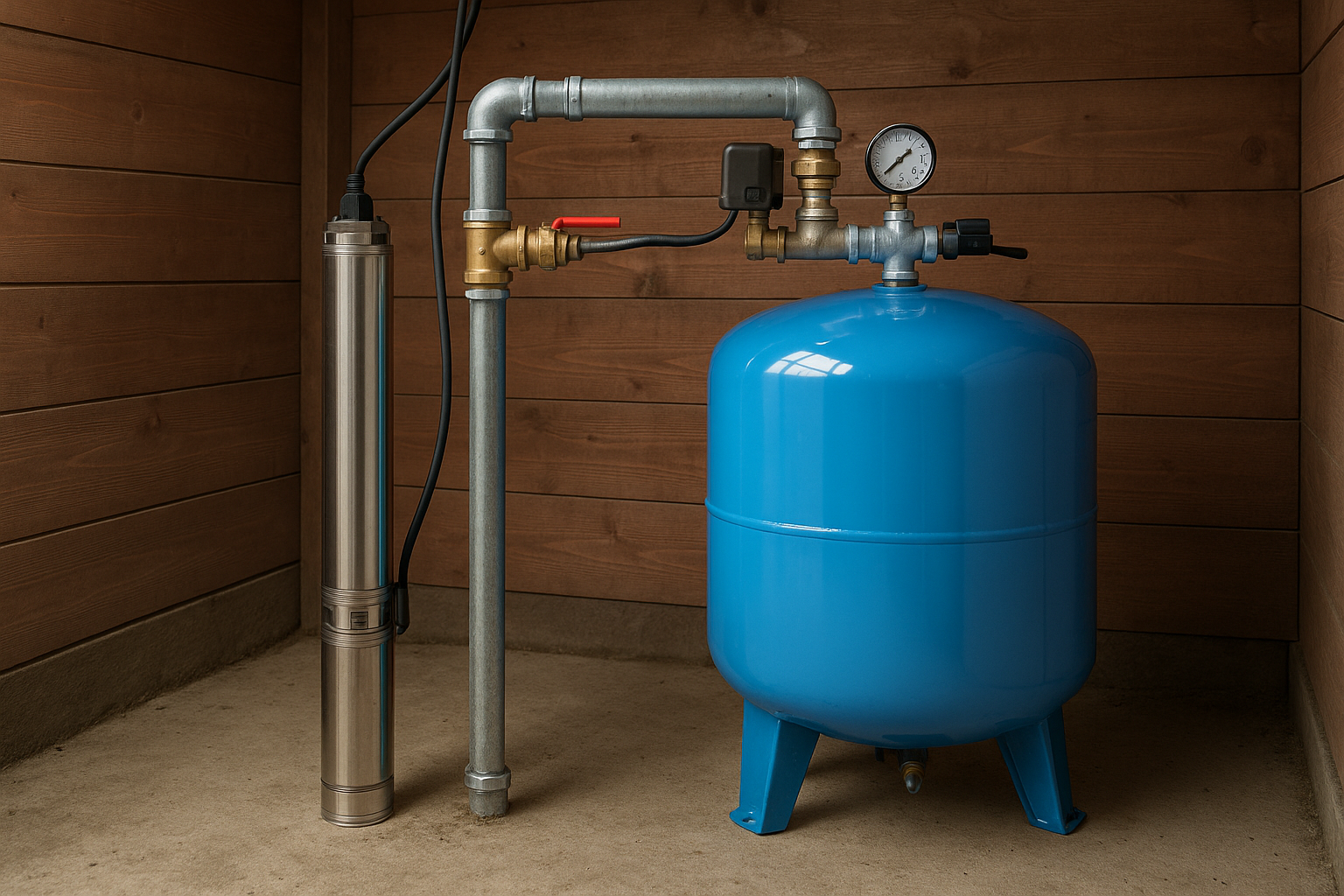
Well vs Cistern: Understanding Your Water Options
📋 In This Guide
How They Work
Water Wells
- Drilled or dug into the ground
- Reaches water-bearing formation (aquifer)
- Pump brings water to surface
- Aquifer recharges naturally (usually)
- Continuous supply available on demand
Cisterns
- Storage tank (above or below ground)
- Filled from external source
- Pump delivers water to house
- Must be refilled periodically
- Size determines how long supply lasts
Cistern Fill Sources
- Hauled water (water truck delivery)
- Rainwater collection (roof system)
- Combination of both
Cost Comparison
Well Costs
| Item | Cost |
|---|---|
| Drilling + installation | $15,000-$50,000+ |
| Pump electricity/year | $250-$600 |
| Maintenance/year | $100-$300 |
| Pump replacement (every 10-15 yrs) | $1,500-$5,000 |
Cistern Costs
| Item | Cost |
|---|---|
| Cistern + installation (2,500 gal) | $3,000-$8,000 |
| Larger cistern (5,000+ gal) | $6,000-$15,000 |
| Hauled water per load | $150-$400 |
| Annual hauling (typical) | $2,000-$6,000+ |
10-Year Cost Analysis
- Well: $20,000-$55,000 (upfront + maintenance)
- Cistern: $25,000-$70,000+ (tank + hauling)
Over time, wells typically cost less if groundwater is available.
Pros & Cons
Well Pros
- Self-replenishing supply
- No hauling costs
- Water on demand
- Adds property value
- Lower long-term cost
Well Cons
- High upfront drilling cost
- No guarantee of water (geology dependent)
- Quality varies (may need treatment)
- Dependent on electricity
- Can run low in drought
Cistern Pros
- Works anywhere (no groundwater needed)
- Lower upfront cost
- Know exactly what water you're getting
- Can use rainwater (with proper system)
Cistern Cons
- Ongoing hauling costs
- Must monitor level
- Can run out
- Water delivery dependency
- Limited by tank size
When to Use Each
Well Is Better When:
- Groundwater is available
- Geology supports drilling
- Long-term cost matters
- You want independence
- Property will be primary residence
Cistern Is Better When:
- No groundwater available
- Bedrock makes drilling impossible
- Regulations prohibit wells
- Temporary or seasonal use
- Budget limits upfront investment
- Rainwater harvesting is primary goal
Combination Systems
- Low-yield well + cistern storage
- Well + rainwater supplementation
- Provides buffer and backup
Cistern Sizing Guide
Calculate Your Needs
- Average person: 50-100 gallons/day
- Family of 4: 200-400 gallons/day
- Weekly: 1,400-2,800 gallons
- Monthly: 6,000-12,000 gallons
Common Cistern Sizes
| Size | Typical Use | Refill Frequency |
|---|---|---|
| 1,500 gal | Cabin, minimal use | Weekly |
| 2,500 gal | Small household | Every 2 weeks |
| 5,000 gal | Average family | Monthly |
| 10,000 gal | Large household | Every 6-8 weeks |
Bigger Is Usually Better
- Fewer deliveries = less hassle
- Better per-gallon pricing on larger loads
- Buffer for emergencies
We service all major pump brands including Franklin Electric, Grundfos, Goulds (Xylem), and Sta-Rite (Pentair). Our trucks carry common parts and components for same-day repairs.
Frequently Asked Questions
What's the difference between a well and cistern?
Wells tap groundwater—continuous supply from aquifer. Cisterns store water that must be refilled from external sources.
Is a well better than a cistern?
Usually yes—wells are self-replenishing with lower long-term costs. Cisterns are used when wells aren't feasible.
How much does hauled water cost?
Typically $150-$400 per load (2,000-4,000 gallons). Annual costs can be $2,000-$6,000+ depending on usage.
Can I convert from cistern to well?
Yes, if groundwater exists. Drilling assessment determines feasibility. Many properties upgrade from cistern to well.
What if my well can't keep up with demand?
Add storage tank (cistern concept) to buffer low-yield well. Well fills tank slowly; tank supplies house on demand.
Considering a Well?
We assess properties for well drilling feasibility and install complete well systems.
Related Articles
Continue learning about well maintenance and troubleshooting