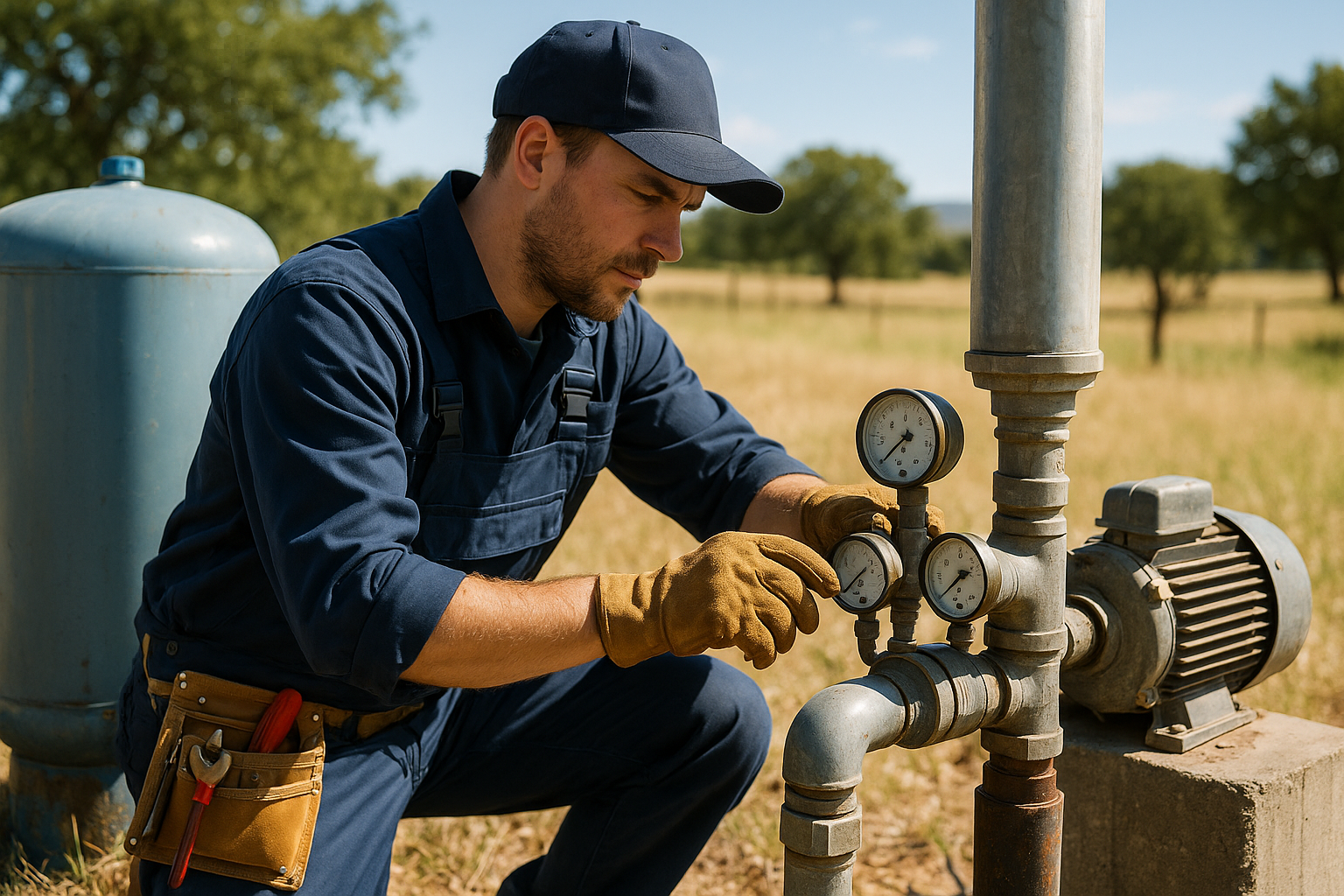
Well Development Techniques: Maximizing Well Efficiency
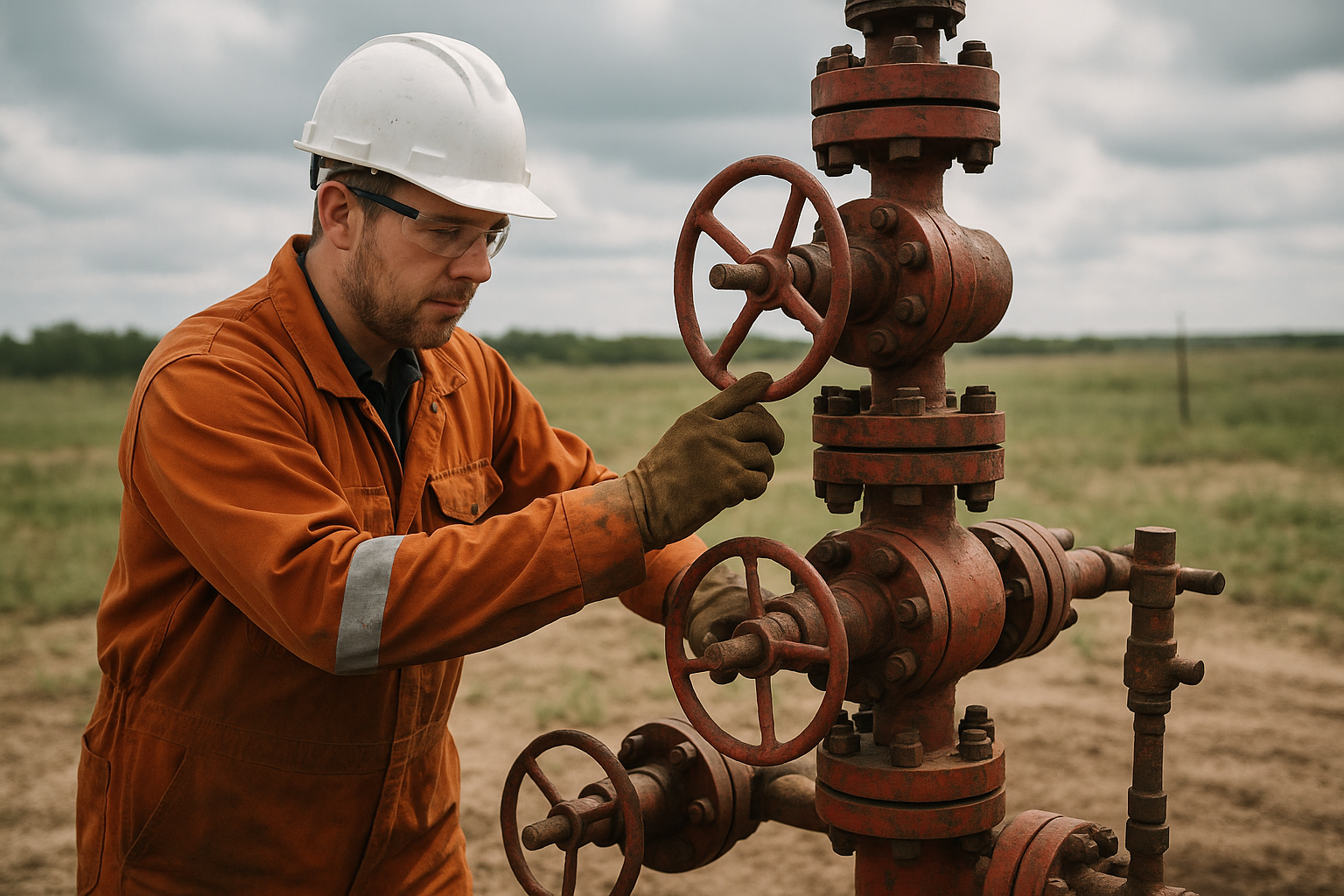
Comprehensive guide to well development methods. Learn surging, airlifting, and jetting techniques to maximize specific capacity and reduce sand production.
Principles of Well Development
Well development removes drilling fluid residue, fines from the gravel pack and formation, and establishes hydraulic communication between the aquifer and well screen. Drilling operations—particularly rotary drilling with mud—create a filter cake on the borehole wall that must be broken down. Development also rearranges formation particles to create a stable, high-permeability zone around the screen.
The development process serves multiple goals: maximizing specific capacity (yield per foot of drawdown), eliminating sand production, and establishing a stable well that maintains performance over time. A well that produces sand will eventually damage pumps, clog distribution systems, and may experience screen collapse. Proper development is essential—shortcuts at this stage compromise the entire investment.
Development indicators guide the process toward completion. Discharge water clarity improves from turbid to clear as fines are removed. Specific capacity increases and stabilizes as formation permeability is restored. Sand content decreases to acceptable levels (typically <5 mg/L). Temperature and conductivity measurements confirm uniform contribution across the screened interval. Development continues until all parameters stabilize.
Mechanical Development Methods
Surge block (swab) development forces water alternately into and out of the formation, breaking up mud cake and dislodging fines from the gravel pack. The surge block—a rubber or leather disc slightly smaller than casing diameter—is attached to drill pipe and operated with 3-6 foot strokes. Downstroke pushes water outward; upstroke pulls it back, creating a violent back-and-forth action that cleans screen openings.
Bailer surging uses a heavy bailer to create similar action, with the added benefit of removing sand and fines on each trip. The bailer is dropped and retrieved repeatedly, its plunging action surging the well while captured material is dumped at surface. This method is particularly effective for domestic wells and situations where drill rigs are not available.
Cable tool development uses drilling tools (bit and stem) to surge the well, alternating with bailing to remove material. The heavy tool string creates powerful surging action, effective for breaking up consolidated mud cake and developing natural gravel pack in coarse formations. For deep wells, dual swab systems with a swab below and above the screen create bidirectional flow, more effectively cleaning screen slots.
Air and Water Development Techniques
Airlift pumping uses compressed air injected through a pipe (eductor line) inside the well to lift water and entrained solids. As air bubbles rise, they lift the water column, creating continuous pumping action. Airlift flow rates are controlled by air pressure and injection depth—deeper injection provides greater lift but requires higher pressure. This method effectively removes fine material without mechanical components in the well.
High-velocity jetting directs water at 150-250 PSI against screen openings through a rotating jetting tool. The water jets cut through mud cake and flush fines from the gravel pack. Simultaneous pumping or airlifting removes dislodged material as it enters the well. Jetting is particularly effective for cleaning slot openings and reaching areas not affected by surge block action. Tool rotation ensures uniform treatment around the screen circumference.
Combination air-surge methods inject air intermittently while surging, creating explosive energy release as air bubbles expand through the screen. This technique is highly effective for stubborn mud cake but requires careful control to prevent formation damage. Development pumps operating at increasing rates consolidate development gains, with cycling on and off allowing formation stabilization between pumping intervals.
Evaluation and Completion Criteria
Sand content measurement using Imhoff cones or gravimetric analysis quantifies sediment production. Samples are collected at regular intervals during development and at target pumping rates. The standard for production wells is less than 5 mg/L (5 ppm by weight) or 1 ppm by volume at design capacity. Some specifications require testing at 125-150% of design rate to confirm stability under stress conditions.
Specific capacity benchmarking compares achieved performance to design expectations based on aquifer testing and similar wells in the area. A properly developed well should achieve at least 80% of theoretical specific capacity based on formation transmissivity. Significantly lower performance suggests incomplete development or design issues. Step-drawdown tests at multiple pumping rates characterize well efficiency and identify any remaining restrictions.
Documentation requirements include development logs recording methods used, duration, flow rates, drawdown, sand content measurements, and water quality parameters. Completion reports summarize total development time, material removed, and final performance data. These records establish baseline performance for comparison over the well's service life and may be required for permit compliance. Video inspection after development confirms screen condition and documents any remaining issues.
Frequently Asked Questions
How long should well development take?
Well development time depends on well depth, formation type, and drilling method. Typical development ranges from 4-24 hours for residential wells and 24-72+ hours for high-capacity production wells. Wells drilled with mud require longer development to remove drilling fluid invasion. Development continues until specific capacity stabilizes and sand content meets specifications—rushing development compromises long-term well performance.
What sand content is acceptable after development?
Industry standards typically require less than 5 mg/L sand content (or less than 1 ppm by volume) at design pumping rate for production wells. Domestic wells may accept slightly higher levels. Sand content is measured using an Imhoff cone, allowing sediment to settle from a measured water sample. Some fine sand production during initial operation is normal, but persistent sand indicates incomplete development or design issues.
Why is overpumping harmful during well development?
Overpumping—pumping at rates exceeding sustainable yield—can damage formations and reduce long-term capacity. Excessive drawdown causes sand migration that permanently plugs the gravel pack or formation pores. Fine particles pulled from distant zones may not be removed, compacting around the screen. Development should use progressively increasing rates, never exceeding 150% of design capacity, with periods of rest allowing the formation to stabilize.
Get Expert Well Service
Southern California Well Service has served San Diego, Riverside, and San Bernardino counties for decades. Licensed C-57 contractor.
Call (760) 440-8520Available 24/7 for emergencies
Related Articles
Continue learning about well maintenance and troubleshooting