
Well Losing Water Pressure: Causes & Troubleshooting
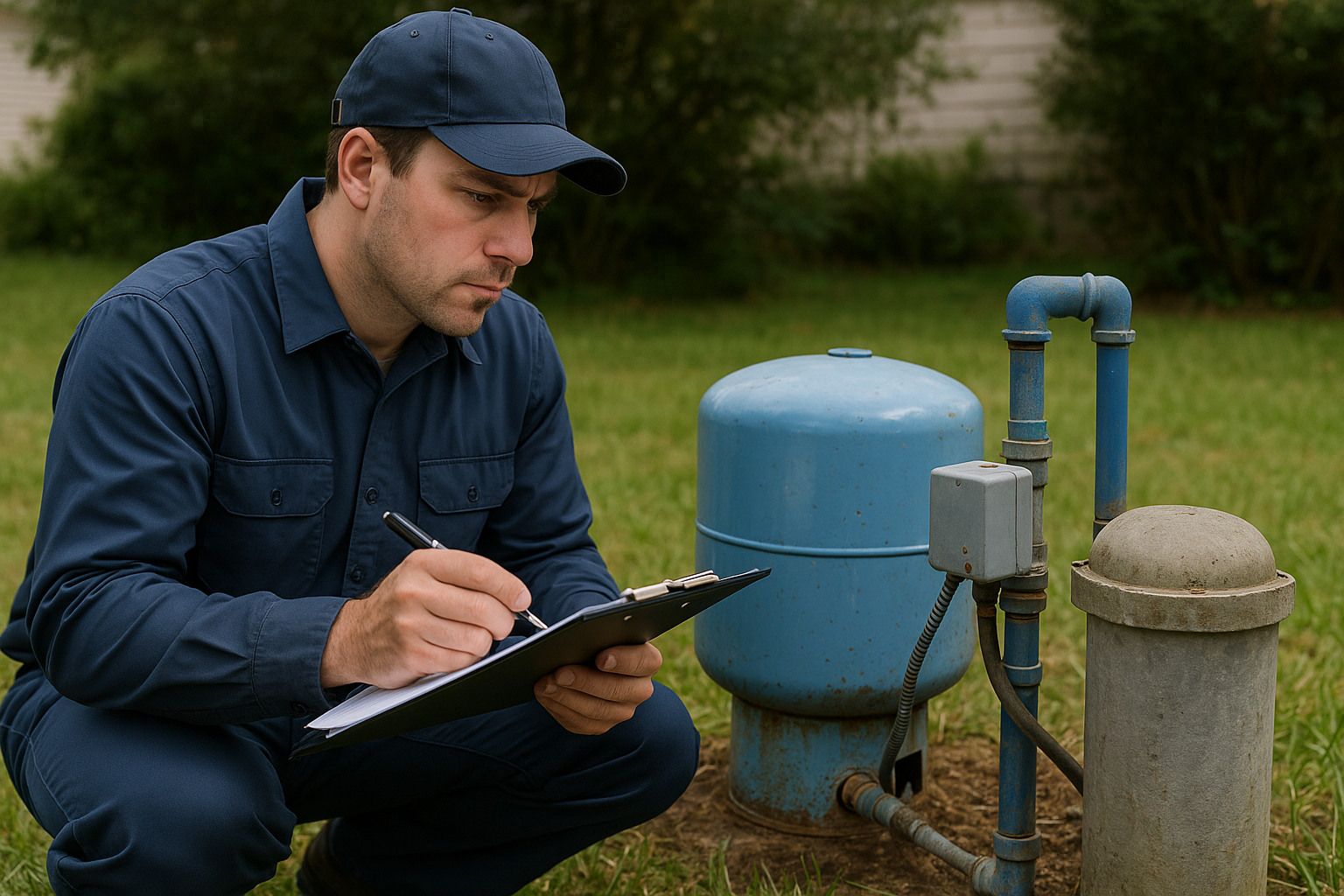
Weak showers, slow-filling toilets, and faucets that trickle instead of flow—low water pressure makes daily life frustrating. Here's how to diagnose what's causing your well system's pressure problems.
📋 In This Guide
Need pressure problems diagnosed today? Our technicians can identify the cause and get your system working properly.
Call (760) 440-8520Quick Diagnostic: Is It the Well or the House?
Before diving into causes, determine where the problem is:
- Check an outdoor hose bib (closest to the well/pressure tank)
- If outdoor pressure is good but indoor is low → Problem is in house plumbing
- If outdoor pressure is also low → Problem is well system
This guide focuses on well system causes. For indoor-only problems, check for clogged aerators, old pipes, or partially closed valves.
Common Causes of Low Well Pressure
1. Waterlogged Pressure Tank (Most Common)
Symptoms:
- Pump cycles every few seconds when water is running
- Pressure fluctuates wildly
- Tank feels solid/heavy when tapped (should be partly hollow)
What's happening: The bladder or diaphragm has failed. Water fills the entire tank, leaving no air cushion. Without air cushion, pressure drops instantly when you open a faucet.
Fix: Replace pressure tank ($400-$800 installed)
2. Low Pressure Tank Air Charge
Symptoms:
- Pressure doesn't hold as long as it used to
- Pump cycles more frequently than normal
- No obvious tank damage
What's happening: The air charge in the tank has leaked out. This is different from bladder failure—the bladder is intact but underinflated.
Fix: Add air to tank (should be 2 PSI below cut-in pressure). DIY with bike pump or compressor.
3. Failing or Failed Pump
Symptoms:
- Pump runs but pressure never builds to cut-off
- Pressure builds very slowly
- No water at all (pump failure)
What's happening: Pump impellers are worn, motor is failing, or pump has completely died.
Fix: Pump replacement ($1,500-$4,000+ depending on depth)
4. Clogged Sediment Filter
Symptoms:
- Good pressure at tank, low pressure after filter
- Gradual pressure loss that gets worse over time
- Filter looks dirty or hasn't been changed in months
What's happening: The filter has trapped so much sediment it's restricting flow.
Fix: Replace filter cartridge ($10-$50). Set reminder to change regularly.
5. Partially Closed Valve
Symptoms:
- Pressure problems started after plumbing work
- Good pressure in some areas, not others
What's happening: A gate valve or ball valve somewhere in the system isn't fully open.
Fix: Locate and fully open all valves. Check near pressure tank, water heater, and main house supply.
6. Leaking Pipe or Fitting
Symptoms:
- Pump runs more often than normal
- Wet spots in yard or near wellhead
- Water bill (if metered) has increased
What's happening: Water is escaping before reaching the house, causing pressure loss and wasting water.
Fix: Locate and repair leak. May require excavation if pipe is buried.
7. Pressure Switch Problems
Symptoms:
- Pump doesn't turn on when pressure drops
- Pump turns on/off at wrong pressures
- Erratic pressure behavior
What's happening: The pressure switch contacts are worn, corroded, or misadjusted.
Fix: Adjust or replace pressure switch ($100-$200 installed)
8. Declining Well Yield
Symptoms:
- Pressure drops during heavy use (multiple fixtures)
- Takes longer to recover after heavy use
- Problem worse during dry seasons
- Neighbors reporting similar issues
What's happening: The well can't produce water as fast as you're using it. The water table may have dropped.
Fix: Options include lowering pump, storage tank, or drilling deeper. See our declining yield guide.
Step-by-Step Troubleshooting
Step 1: Check the Pressure Gauge
Find the gauge on or near the pressure tank. Note the reading.
- Normal: 40-60 PSI (or 30-50 PSI on older systems)
- Too low: Below 20 PSI indicates a problem
- Fluctuating: Rapid changes suggest waterlogged tank
Step 2: Observe Pump Cycling
Run water and watch/listen to the pump:
- Rapid cycling (every few seconds): Waterlogged tank
- Runs continuously: Leak, low yield, or failing pump
- Won't turn on: Electrical problem or switch failure
- Normal cycling but low pressure: Clogged filter or pipe restriction
Step 3: Check the Breaker
Sometimes the simplest answer is right. Verify the well pump breaker hasn't tripped. If it trips repeatedly, there's an electrical issue requiring professional diagnosis.
Step 4: Inspect Filters
If you have a sediment filter or water treatment system, check for clogged cartridges. Many pressure problems are simply dirty filters.
Step 5: Look for Leaks
Walk the area between well and house. Look for:
- Wet spots or muddy areas
- Unusually green grass patches
- Water around wellhead or pressure tank
When to Call a Professional
- Pump won't build pressure at all
- Breaker keeps tripping
- Tank needs replacement
- You can't find the cause
- Problem involves electrical components
- Well yield may be declining
Repair Costs
| Filter replacement (DIY) | $10–$50 |
| Pressure switch replacement | $100–$200 |
| Pressure tank replacement | $400–$800 |
| Pipe leak repair | $200–$1,000+ |
| Pump replacement | $1,500–$4,000+ |
Need Pressure Problems Fixed?
Our technicians diagnose and repair all well pressure issues—from simple filter changes to complete pump replacements.
See our pump services or pressure tank guide.
Call (760) 440-8520Serving San Diego, Riverside & San Bernardino Counties
Frequently Asked Questions
Why is my well water pressure suddenly low?
Sudden pressure loss is usually caused by: a waterlogged pressure tank (most common), failed pump, tripped breaker, clogged filter, or broken pipe. Check the pressure gauge—if it's below normal and the pump won't build pressure, you have a system problem requiring diagnosis.
How do I fix low water pressure from my well?
First identify the cause: check breaker, observe pressure gauge, inspect for leaks, check filter. If the pressure tank is waterlogged (pump cycles every few seconds), it needs replacement. If the pump runs but won't build pressure, you may have pump failure or a leak. Professional diagnosis is recommended.
What PSI should my well pressure be?
Most residential well systems run at 40/60 PSI (pump kicks on at 40, shuts off at 60) or 30/50 PSI. Normal operating pressure should be between these cut-in and cut-out points. If your gauge reads below 20 PSI or above 70 PSI, something is wrong.
Why does my water pressure drop when I run multiple fixtures?
This usually indicates your well's production rate can't keep up with demand, or your pump/pressure tank is undersized. Possible solutions include a larger pressure tank, constant pressure system, or storage tank to buffer demand.
Get Expert Help
Contact Southern California Well Service for professional pressure diagnosis and repair.
Call (760) 440-8520Serving San Diego, Riverside & San Bernardino Counties
Related Articles
Continue learning about well maintenance and troubleshooting
Low Water Pressure From Well: Complete Fix Guide
Diagnose and solve low pressure problems
Well Pressure Switch: Settings, Adjustment & Replacement
Everything about pressure switches
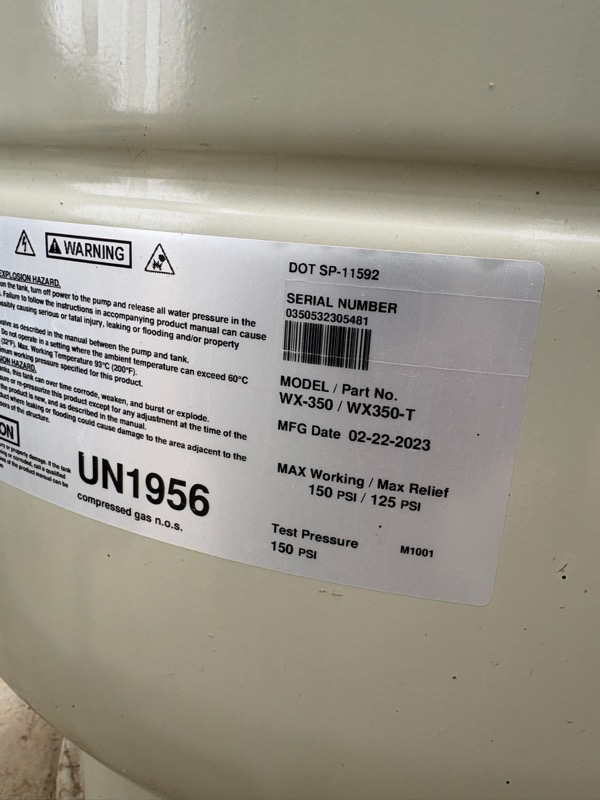
Pressure Tank Maintenance: Complete Guide
Keep your pressure tank working properly