Well Pump Controller Types: Control Boxes, VFDs, and Smart Systems

Guide to well pump controllers and control boxes. Compare standard control boxes, constant pressure VFDs, and smart monitoring systems for residential wells.
📋 In This Guide
Need help? Call us:
(760) 440-8520Standard Control Boxes
Three-wire submersible motors require an external control box mounted near the pressure tank. The box contains starting capacitors, a relay, and overload protection—components that would be difficult to service if buried in the well. When the pressure switch calls for water, the relay energizes the start capacitor to get the motor spinning, then shifts to run mode. Common control boxes include Franklin Electric's QD-style and CRC boxes, ranging $50-$150 depending on motor horsepower. Two-wire motors have these components built into the motor housing, eliminating the external box but making troubleshooting harder.
Constant Pressure Systems
Variable frequency drives (VFDs) transform residential well performance. Instead of running at full speed or off, VFDs adjust motor speed to match water demand, maintaining constant pressure whether you're filling a glass or running four showers. Franklin Electric's SubDrive and Grundfos's CU 301 are leading residential VFD systems, adding $500-$1,000 to system cost. Benefits include: steady pressure without fluctuation, reduced pump cycling and wear, soft-start motor protection, and energy savings at partial loads. VFDs are ideal for homes with pressure-sensitive appliances, multiple bathrooms, or varying demand patterns.
Pump Protection Devices
Protection devices safeguard your pump from common failure scenarios. Low-water cutoffs (like Pumptec or Symcom) detect when the pump draws air instead of water, shutting it down before overheating damage occurs—critical for wells with limited yield. Cycle sensors count starts and stop the pump if it cycles too rapidly, indicating pressure tank or check valve problems. Lightning arrestors protect against voltage spikes that can fry motor windings—essential in areas with frequent thunderstorms. These devices add $100-$300 but can save thousands in pump replacement costs.
Smart Controllers and Monitoring
Modern well systems can be monitored and controlled remotely. Smart controllers connect to WiFi, sending alerts for pump faults, unusual cycling patterns, or power outages. Some integrate with home automation systems or provide smartphone apps for checking system status from anywhere. Leak detection sensors paired with automatic shutoff valves can stop flooding if a pipe bursts while you're away. For vacation homes or rental properties, remote monitoring provides peace of mind. Systems like the Franklin Electric SubDrive Connect or third-party monitors range from $200-$500 plus any subscription fees.
Frequently Asked Questions
Do I need a control box for my well pump?
Only if you have a 3-wire submersible motor. Three-wire motors (more common in larger HP pumps) require an external control box. Two-wire motors have the starting components built into the motor housing and connect directly to the pressure switch. Check your existing wiring—if three wires plus ground run down the well, you need a control box. If just two wires plus ground, you don't.
Is a constant pressure system worth the extra cost?
For most homeowners, yes. Constant pressure eliminates the annoying pressure drop when someone flushes while you're showering. It's especially valuable with low-yield wells (reduces cycling), tankless water heaters (require steady flow), or irrigation systems (consistent spray patterns). The $500-$1,000 premium pays back through extended pump life and daily convenience. The exception: if you have a high-yield well, a large pressure tank, and minimal pressure sensitivity, standard controls work fine.
How do I know if my control box has failed?
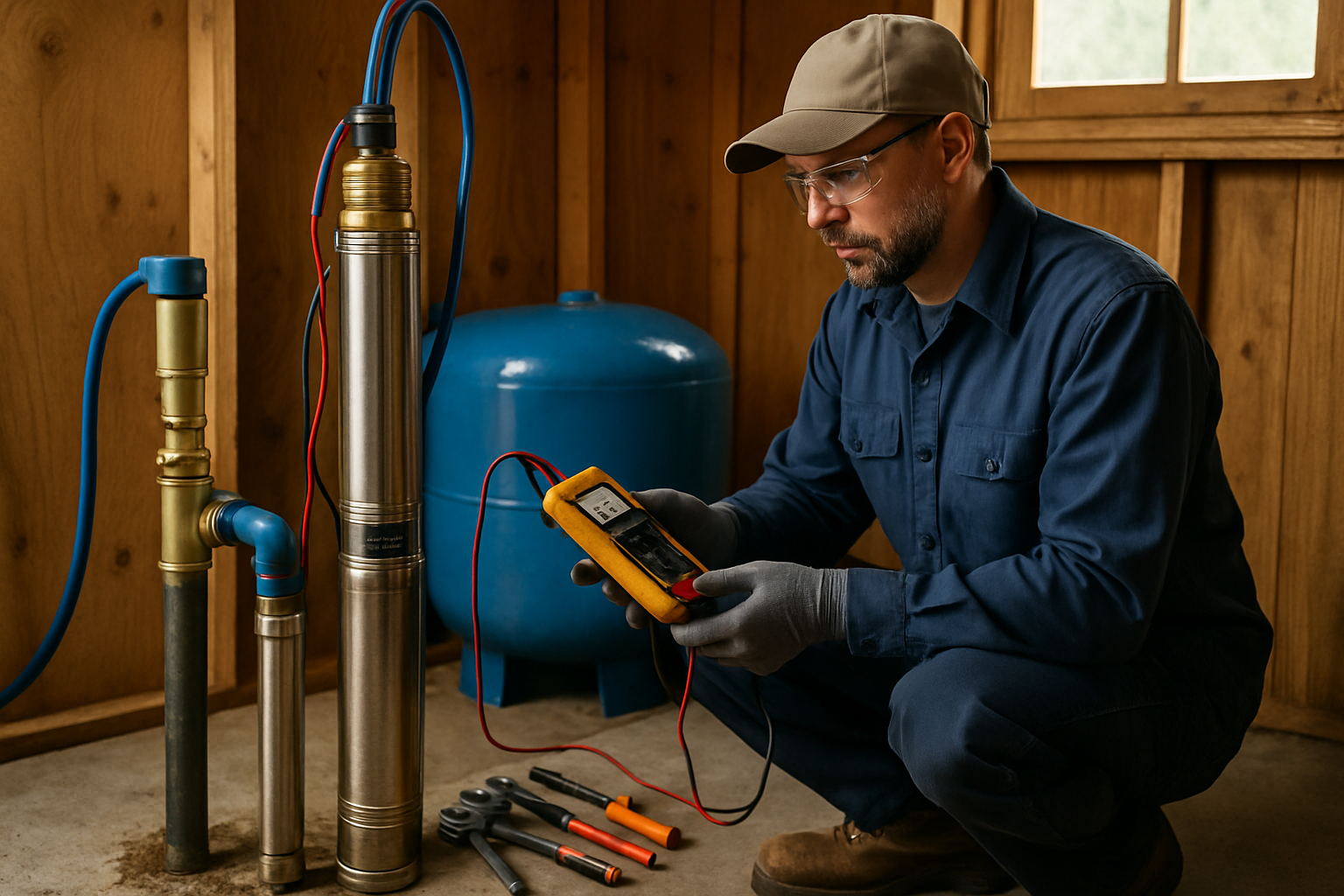
Symptoms of control box failure include: pump won't start but you have power to the box, pump hums but won't spin (failed start capacitor), pump runs but trips the overload repeatedly, or visible burn marks on the box components. Testing requires a multimeter to check capacitor values and relay operation. Control boxes fail more often than pumps because they're exposed to heat, humidity, and power fluctuations. Fortunately, replacement boxes cost $50-$150 and take 15 minutes to swap.
Get Expert Help
Contact Southern California Well Service for professional assistance.
Call (760) 440-8520Serving San Diego, Riverside & San Bernardino Counties
Related Articles
Continue learning about well maintenance and troubleshooting