Prevent Well Pump & Pipes from Freezing
📋 In This Guide
Quick Answer: Submersible pumps are underground (won't freeze). At-risk: pressure tanks, above-ground pipes, lines in unheated spaces. Protect with insulation, heat tape, and weatherproofing. In extreme cold, let a faucet drip. Relevant for San Diego mountains.
What's at Risk
Safe from Freezing
- Submersible pump: Deep underground, below frost line
- Drop pipe: Inside casing, underground
- Water in aquifer: Earth-insulated
At Risk
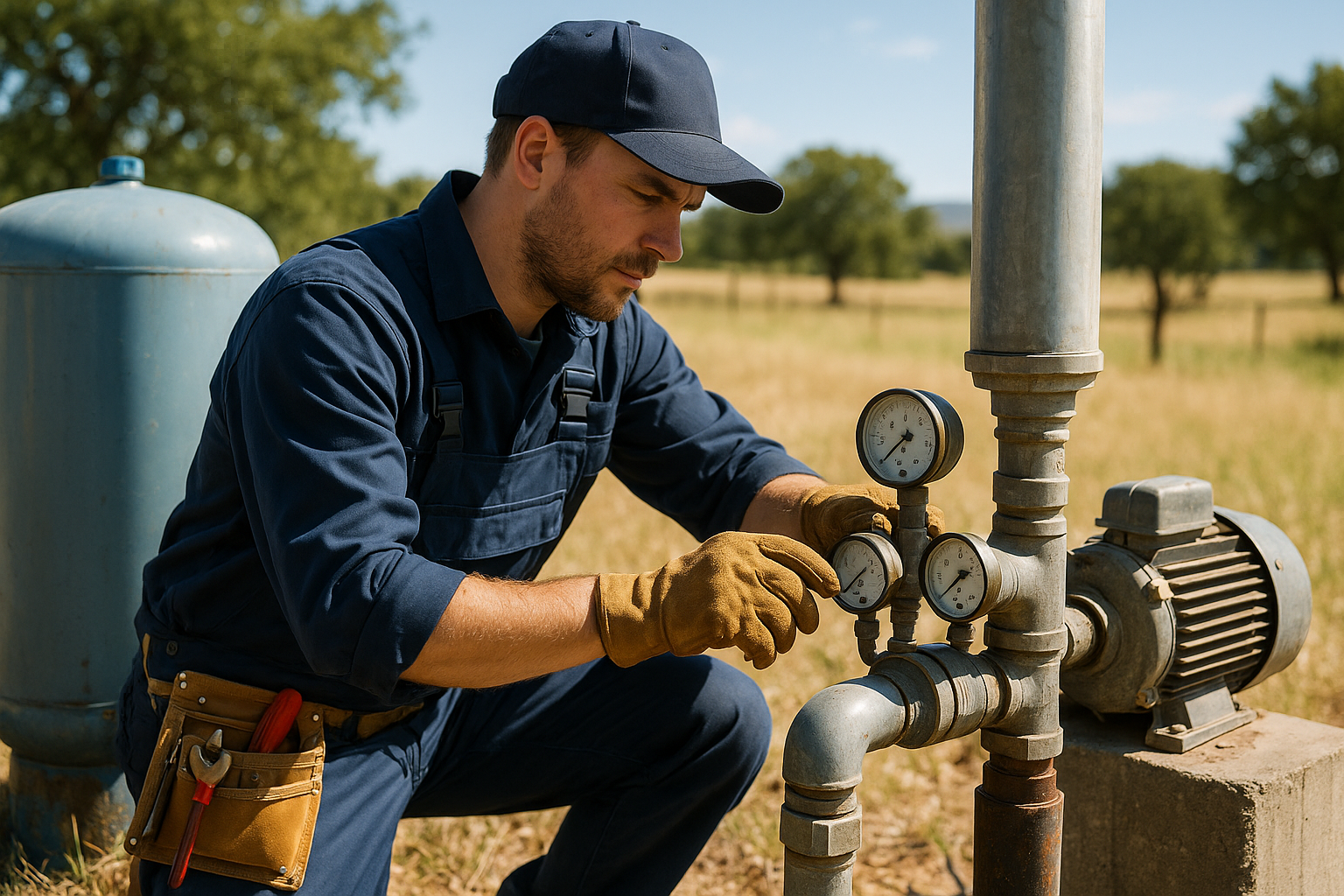
- Pressure tank: If in unheated space
- Above-ground pipes: Exposed to cold
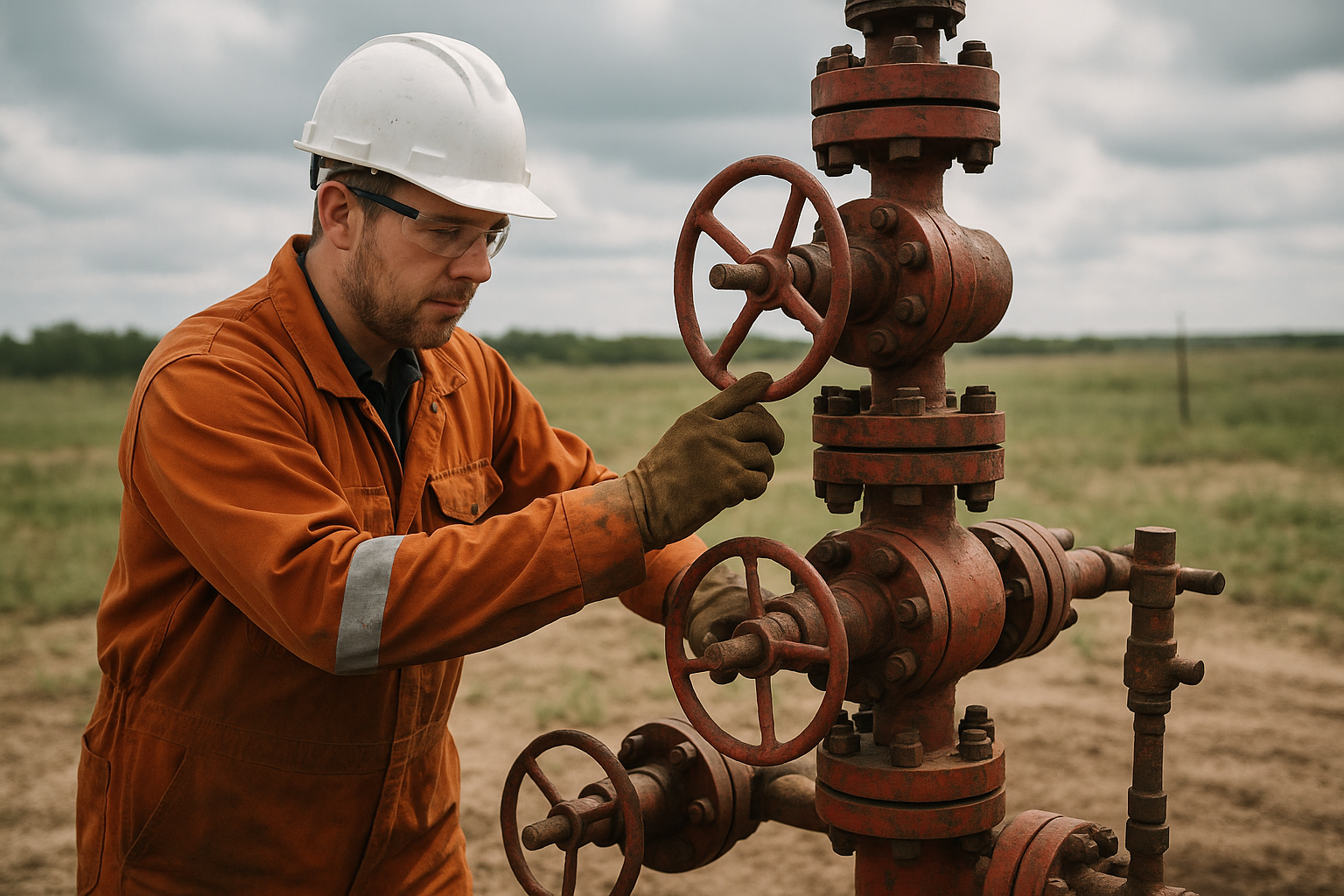
- Well head: Top of well, above ground
- Pipes in crawl spaces: Cold but not heated
- Jet pumps: Entire pump above ground
San Diego Areas at Risk
- Julian, Mount Laguna
- Palomar Mountain
- Anza, Idyllwild (Riverside)
- Pine Valley, Descanso
- Higher elevations can see teens or below
When to Worry
- Temperatures below 32°F extended periods
- Wind chill makes it worse
- Pipes most vulnerable at 20°F and below
Prevention
Insulate Pipes
- Foam pipe sleeves (easiest)
- Fiberglass wrap
- Focus on: well head to house, exposed runs
- Cost: $2-$5 per foot
Insulate Pressure Tank
- Insulation blanket
- Or build insulated enclosure
- Don't block access to valves
Heat Tape
- Electric heating cable
- Wrap on vulnerable pipes
- Self-regulating type is safest
- Plug in before freeze arrives
Well House/Pit
- Ensure walls/roof are intact
- Seal gaps and cracks
- Add light bulb for heat (in extreme cold)
- Insulate interior
Jet Pump Protection
- Entire pump is above ground
- Must be in heated/insulated space
- More vulnerable than submersibles
Drain If Vacant
- If home unoccupied in winter
- Turn off pump, drain system
- Open faucets to release water
- Or keep heat on low
During a Freeze Warning
Quick Actions
- Let a faucet drip (moving water doesn't freeze easily)
- Open cabinet doors under sinks
- Check insulation is in place
- Plug in heat tape
The Drip Method
- Slow drip is enough
- Choose faucet on outside wall
- Wastes some water but prevents damage
- Causes pump to cycle occasionally
If Power Outage
- No heat tape, no pump
- Drain exposed pipes if possible
- Close main valve to prevent damage if pipes burst when power returns
If It Freezes
Signs of Frozen Pipes
- No water from faucets
- Pump runs but no water
- Pipes feel extremely cold
- Frost visible on pipes
How to Thaw
- Keep faucets open
- Apply heat to frozen section
- Use hair dryer, heat lamp, or space heater
- Or wrap with hot towels
- Never use open flame
- Work from faucet toward frozen area
If Pipe Bursts
- Turn off pump at breaker
- Close main shut-off valve
- Drain remaining water
- Call for repair
After a Freeze
- Check for leaks once thawed
- Inspect pressure tank
- Test system thoroughly
- Add more protection for next time
Frequently Asked Questions
Will my well pump freeze in winter?
Submersible pumps are underground—they won't freeze. Above-ground components (tank, pipes) can freeze. Protect with insulation.
How do I protect my well system from freezing?
Insulate exposed pipes and tank, use heat tape on vulnerable sections, ensure well house is weatherproof. Let faucet drip in extreme cold.
At what temperature do well pipes freeze?
Water freezes at 32°F. Pipes can freeze quickly at 20°F or below. Wind chill and exposure increase risk.
Can I use antifreeze in my well system?
No—never put antifreeze in drinking water system. It's toxic. Use physical protection (insulation, heat tape).
My pressure tank froze—is it damaged?
Possibly. Ice expansion can rupture bladder or damage tank. Have it inspected after thawing. May need replacement.
Need Freeze Protection?
We winterize well systems and repair freeze damage.
Related Articles
Continue learning about well maintenance and troubleshooting