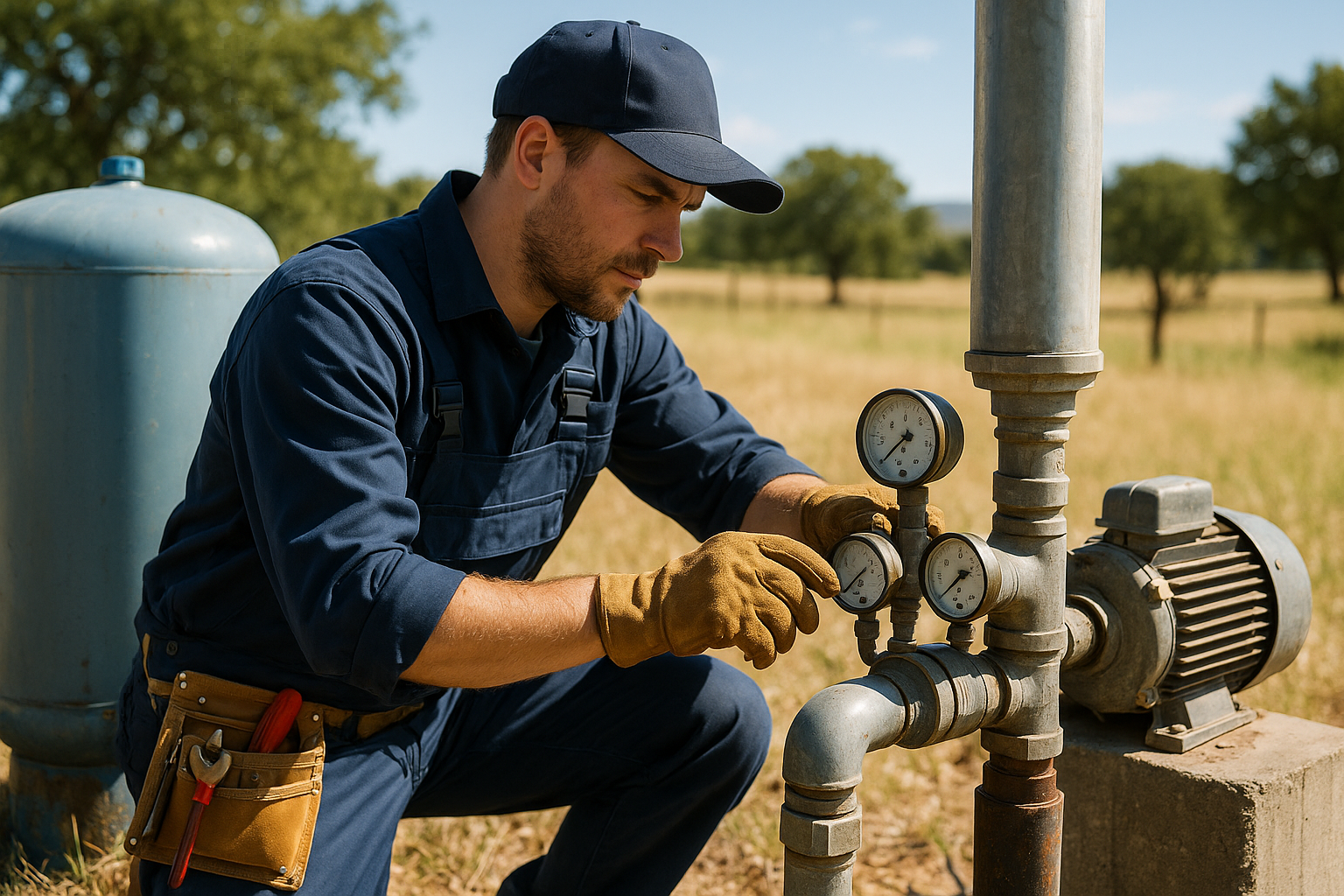
Well Pump Motor Hot to Touch – Understanding Overheating Causes
Feeling heat radiating from your well pump motor is alarming – and for good reason. While motors do generate some heat during normal operation, excessive heat that makes the motor uncomfortable or painful to touch indicates a problem that needs immediate attention. Overheating is one of the primary causes of premature pump motor failure.
📋 In This Guide
Understanding why your pump motor runs hot helps you take appropriate action before a minor issue becomes a complete system failure that leaves your home without water.
Normal vs. Abnormal Motor Temperature
All electric motors generate heat as a byproduct of converting electrical energy to mechanical motion. A jet pump motor that's slightly warm after running is completely normal. However, there's a clear difference between normal operating temperature and dangerous overheating.
Normal operation: Motor is warm to the touch but you can keep your hand on it comfortably. Surface temperature typically ranges from 100-120°F during operation.
Overheating concern: Motor is too hot to touch comfortably, or you can only hold your hand on it briefly. Temperatures above 150°F indicate problems.
Critical overheating: Motor is hot enough to cause burns on contact, you smell burning insulation, or you see discoloration. This requires immediate shutdown.
Common Causes of Pump Motor Overheating
Extended Run Times
The most common cause of motor overheating is simply running too long without adequate cooling periods. This happens when:
- There's a leak in the plumbing system causing continuous pump operation
- The pressure tank is waterlogged, causing rapid cycling
- The pressure switch isn't shutting off the pump properly
- Household demand exceeds the system's design capacity
Voltage Problems
Electrical supply issues are a major cause of motor overheating:
Low voltage: When voltage drops below the motor's rating (usually 230V), the motor draws more amperage to compensate. This extra current generates excessive heat. Low voltage often occurs with undersized wiring, long wire runs, or utility supply issues.
Voltage imbalance: For three-phase motors, unequal voltage across phases causes overheating even when average voltage is correct.
Mechanical Problems
Internal mechanical issues force the motor to work harder:
- Worn bearings create friction and heat
- Bound impeller from debris or scale increases load
- Misalignment between motor and pump causes strain
- Sand or debris in the pump creates resistance
Inadequate Ventilation
Motors require airflow for cooling. Common ventilation problems include:
- Pump installed in an enclosed, unventilated space
- Cooling fan broken or blocked by debris
- Dust and dirt buildup on motor housing reducing heat dissipation
- Insulation or other materials placed against motor
Ambient Temperature
High environmental temperatures reduce a motor's ability to shed heat. A pump that runs fine in winter may overheat during summer months, especially in enclosed pump houses or when installed in direct sunlight.
⚠️ Warning Signs of Critical Overheating
If you smell burning, see smoke, or notice discolored/melted components, shut off power immediately and don't restart until inspected.
The Thermal Overload Protection System
Most pump motors include built-in thermal overload protection designed to prevent damage from overheating. This protection works by:
- Monitoring motor temperature through embedded sensors
- Cutting power when temperature exceeds safe limits
- Automatically resetting once the motor cools down
While this protection prevents immediate catastrophic failure, repeated thermal trips indicate a problem that's stressing the motor. Each overheating event degrades motor insulation and shortens overall lifespan.
Diagnosing the Cause
To identify why your pump motor runs hot, check these factors:
Check run time: Monitor how long the pump runs per cycle. Extended run times of 10+ minutes per cycle or continuous running indicate system issues.
Measure voltage: Use a multimeter to check voltage at the motor terminals while running. Voltage should be within 10% of the motor's nameplate rating.
Check amperage: Compare running amps to the motor nameplate rating. High amp draw indicates mechanical problems or electrical issues.
Inspect ventilation: Ensure adequate airflow around the motor, check that cooling fans spin freely, and remove any debris.
Listen for sounds: Grinding, squealing, or unusual noises often accompany mechanical problems that cause overheating.
Solutions and Fixes
For continuous running: Check for plumbing leaks, verify pressure switch operation, and inspect the pressure tank for waterlogging.
For voltage issues: Have an electrician verify wire sizing and connections. Consider installing a voltage monitor or phase monitor for three-phase systems.
For mechanical problems: Professional inspection and likely pump repair or replacement is needed.
For ventilation issues: Improve airflow, clean motor housing, repair or replace cooling fans, and consider relocating pump if space is inadequate.
When to Call a Professional
Contact a well pump specialist when you experience:
- Motor too hot to touch comfortably during normal operation
- Burning smell or visible smoke from the motor
- Repeated thermal overload trips
- Motor running continuously without shutting off
- Unusual sounds accompanying the heat
- Visible damage to wiring or motor housing
Professional Pump Motor Diagnosis
See our pump motor services for expert diagnosis and repair.
Call now: (760) 440-8520
We service all major pump brands including Franklin Electric, Grundfos, Goulds (Xylem), and Sta-Rite (Pentair). Our trucks carry common parts and components for same-day repairs.
Frequently Asked Questions
How hot is too hot for a well pump motor?
If you cannot comfortably keep your hand on the motor surface, it's too hot. Most pump motors should operate below 150°F. Temperatures that cause immediate discomfort indicate overheating.
Will my pump shut off automatically if it overheats?
Most modern pump motors have thermal overload protection that shuts off the motor when it overheats. However, older motors may lack this protection, and repeated thermal trips damage the motor over time.
Can I cool down my pump motor with water?
Never spray water on an electric motor. This creates electrical hazards and can damage the motor. Allow the motor to cool naturally with adequate ventilation.
Why does my pump motor only overheat in summer?
Higher ambient temperatures reduce the motor's ability to dissipate heat. The same operating conditions that work fine in cooler weather can cause overheating in summer, especially in enclosed pump houses.
Does an overheating motor need to be replaced?
Not necessarily. If the cause of overheating is addressed (voltage issues, ventilation, continuous running), the motor may continue to function. However, repeated overheating events degrade motor insulation, shortening lifespan. Have a professional assess whether damage has occurred.
Related Articles
Continue learning about well maintenance and troubleshooting