Well Pump Overheating: Causes and Prevention
Why pumps overheat and how to prevent damage. Cooling, sizing, and protection strategies.
📋 In This Guide
Need help? Call us:
(760) 440-8520Understanding Why Well Pumps Overheat
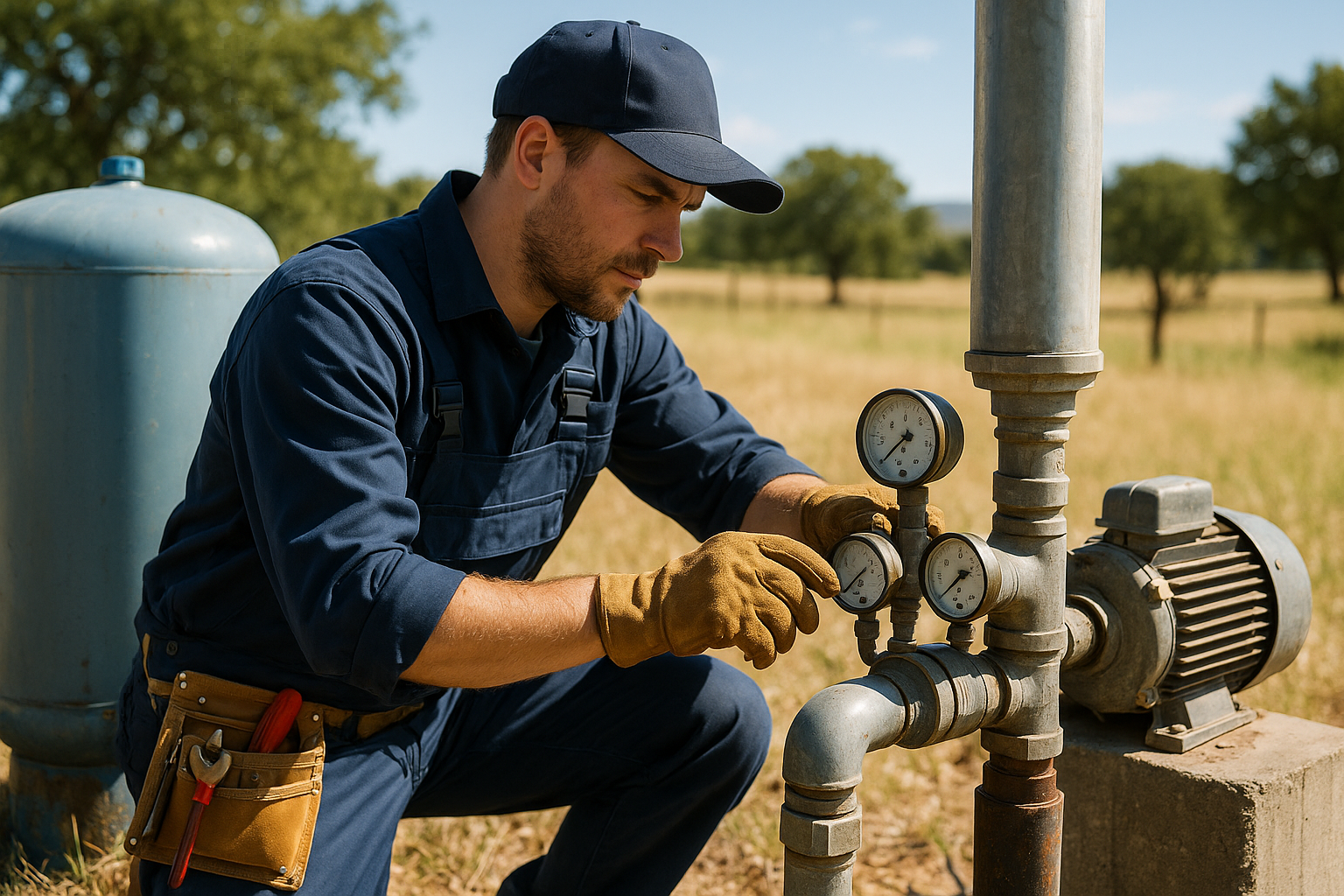
Well pump motors generate substantial heat during operation—it's unavoidable physics of converting electrical energy to mechanical work. Proper pump design accounts for this heat, but cooling mechanisms must function correctly. Submersible pumps depend on water flowing past the motor for cooling; without adequate water flow, they overheat rapidly. Jet pumps at the surface rely on air circulation and, in some designs, water circulation through the pump body. When cooling is compromised—by low water levels, restricted flow, or continuous operation—heat builds faster than it dissipates. Motor windings are insulated against heat, but exceed their temperature rating and insulation fails, causing shorts between windings. This damage is often irreversible. Understanding your pump's cooling requirements prevents the conditions that lead to overheating.
Common Causes and How to Identify Them
Low water level is the most dangerous overheating cause for submersible pumps. When water drops below the pump intake, it pumps air and receives no cooling—failure follows within minutes. Signs include sputtering water, air in the lines, and sudden pump stops. Continuous operation from a waterlogged pressure tank or large demand keeps the pump running beyond design limits—check for short cycling or extended run times. Undersized pumps strain to meet demand, running hotter than properly sized units. Restricted discharge from closed valves, clogged filters, or crimped pipes creates back-pressure that increases heat. Electrical problems—low voltage, loose connections, unbalanced phases—cause motors to draw excess current and overheat. Professional diagnosis identifies specific causes for targeted solutions.
Protective Devices and Their Importance
Modern pumps include thermal overload protection that automatically shuts down overheating motors. However, relying solely on this protection means damage may already be occurring. Low-water cutoff devices prevent the most catastrophic overheating scenario by stopping the pump when water level drops too low. These devices sense water level directly or detect low flow/high temperature conditions that indicate low water. Motor protectors monitor current draw and temperature, shutting down before damage occurs. Properly sized breakers provide backup protection against electrical faults. Consider these protective devices essential, not optional—the cost of protection is minor compared to pump replacement and the disruption of well failure. If your system lacks modern protection, discuss retrofitting options with your well professional.
Proper Sizing and Installation Prevent Problems
Many overheating problems trace back to improper initial sizing or installation. Pumps sized too small for demand run continuously, never catching up with need and never cooling down. Pumps set too deep may operate with marginal water coverage during drawdown. Undersized electrical supply causes voltage drops that increase current draw and heat. Discharge pipe restrictions create back-pressure the pump works against. When replacing pumps or installing new wells, proper engineering matters more than minimizing upfront costs. A correctly sized pump with adequate submergence, proper electrical supply, and unrestricted discharge runs cooler, lasts longer, and costs less over its lifetime than an undersized pump that struggles and fails prematurely.
Responding to Overheating: Immediate Steps and Professional Help
If you suspect pump overheating—thermal shutdowns, hot water from taps, burning smell, or breaker trips—take immediate action. Turn off the pump at the breaker and allow extended cooling time before attempting restart. Check for obvious causes: is the pressure tank waterlogged causing continuous running? Is there a major leak demanding constant pumping? Was demand unusually high, like filling a pool or heavy irrigation? If no obvious cause exists, or if the pump exhibits overheating symptoms again upon restart, professional evaluation is essential. Don't repeatedly reset a tripping pump—each overheat event causes cumulative damage. SCWS offers emergency service for pump failures. Call (760) 440-8520 for urgent situations. Proper diagnosis addresses root causes rather than just symptoms, preventing recurrent overheating and premature failure.
Frequently Asked Questions
What causes a well pump to overheat?
Well pumps overheat from several causes: running dry when the water level drops below the intake (water provides cooling), continuous operation beyond design limits, undersized pumps struggling to meet demand, electrical problems causing excess current draw, restricted discharge pipes creating back-pressure, and bearing or mechanical failures generating friction heat. Submersible pumps depend entirely on water flow for cooling—any reduction in flow increases heat buildup that can quickly damage motor windings.
How do I know if my well pump is overheating?
Signs of pump overheating include: hot water from faucets when cool water is expected, pump cycling on thermal overload protection (runs, stops, restarts after cooling), burning smell near the wellhead or pressure tank, visible heat damage on electrical connections, tripped breakers, and ultimately pump failure. For submersible pumps, symptoms may be subtle until failure occurs since the pump is underground. Monitoring amp draw and comparing to nameplate ratings can reveal overheating conditions before failure.
Can an overheated pump be repaired?
It depends on damage severity. Minor overheating may not cause permanent harm—the pump cools and continues operating. Moderate overheating damages insulation on motor windings, leading to eventual failure even if the pump currently runs. Severe overheating destroys windings, melts components, and seizes bearings—requiring pump replacement. If you suspect overheating, have a professional check winding resistance and amp draw. These tests reveal damage that might not be immediately obvious but predicts future failure.
How do I prevent well pump overheating?
Prevention strategies include: properly sizing pumps for actual demand, installing low-water cutoff protection that stops the pump if water level drops too low, ensuring adequate water level above the pump intake, maintaining correct electrical supply voltage, keeping discharge lines clear of restrictions, and scheduling regular maintenance to catch bearing wear before it causes friction heating. For submersible pumps, installing a motor protector that senses overtemperature or overcurrent provides automated protection.
My pump keeps tripping the breaker—is it overheating?
Frequent breaker trips often indicate overheating but can have other causes. Pumps have internal thermal overload protection that cycles the motor off when overheated—this is different from breaker trips. Breaker trips suggest overcurrent from: seized bearings, failing windings drawing excess amps, voltage problems, or an undersized breaker. If your pump trips breakers, don't simply reset and continue—this indicates a serious problem requiring immediate professional diagnosis to prevent fire hazards and further pump damage.
Get Expert Help
Contact Southern California Well Service for professional assistance.
Call (760) 440-8520Serving San Diego, Riverside & San Bernardino Counties
Related Articles
Continue learning about well maintenance and troubleshooting