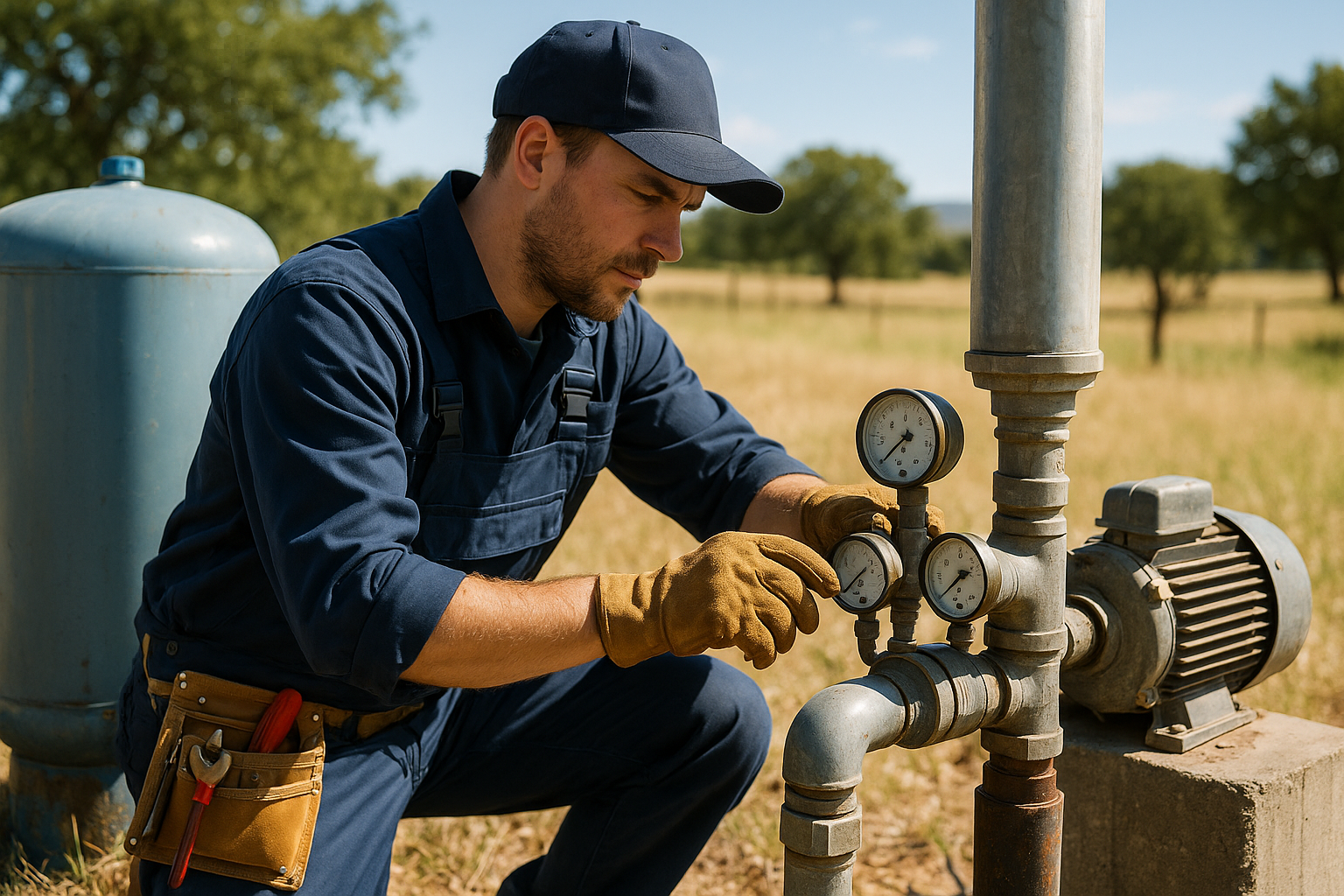
Why Your Well Pump Keeps Overheating
Experiencing this problem right now? Call us for immediate assistance.
A well pump that runs hot isn't just an inconvenience—it's a warning sign that demands attention. Submersible pumps rely on water flow for cooling; when they overheat, motor failure isn't far behind. Understanding why your pump is overheating can help you prevent a costly replacement.
Common Causes
- Running Dry: The most damaging cause. Without water flowing past the motor, there's no cooling. Even brief dry-run periods cause cumulative damage.
- Low Water Level: If the water table has dropped, the pump may be partially exposed or drawing air, reducing cooling capacity.
- Undersized Wire: Wiring that's too small creates electrical resistance, generating heat in the motor and control box.
- Voltage Problems: Low voltage forces the motor to draw more current to maintain output, increasing heat generation.
- Worn Bearings: Bearings create friction as they wear, generating heat and eventually seizing the motor.
- Stuck Impeller: Sand or sediment jamming the impeller forces the motor to work harder, generating excess heat.
Warning Signs to Watch For
- Pump motor hot to the touch (control box area)
- Thermal overload trips repeatedly
- Pump shuts off and restarts after cooling
- Burning smell near control box or wellhead
- Reduced water output before shutdown
- Higher than normal electric bills
How to Fix This Problem
1. Check Water Level
Have a professional measure your well's static and pumping water levels. If the pump is near or above the water, it's being starved for cooling.
2. Verify Voltage
Measure voltage at the control box while the pump is running. It should be within 10% of motor nameplate voltage. Low voltage is a common overheating cause.
3. Inspect Wiring
Undersized wire heats up under load. A qualified electrician can verify wire gauge matches pump requirements and distance.
4. Install Low-Water Protection
A pump protection device shuts off the pump if water drops below safe levels, preventing dry-run damage.
5. Check Amp Draw
Measure motor amp draw and compare to nameplate specs. High amps indicate mechanical problems; low amps often mean electrical issues.
When to Call a Professional
While some minor issues can be addressed by homeowners, well system problems often require professional diagnosis. Call Southern California Well Service if:
- You're not comfortable working with electrical systems
- The problem persists after basic troubleshooting
- You notice multiple symptoms at once
- Your well is over 10 years old and hasn't been serviced
We offer same-day emergency service throughout San Diego, Riverside, and San Bernardino counties.
We service all major pump brands including Franklin Electric, Grundfos, Goulds (Xylem), and Sta-Rite (Pentair). Our trucks carry common parts and components for same-day repairs.
Frequently Asked Questions
How hot should a well pump control box get?
Warm is normal during operation. Hot to the touch (can't hold your hand on it) indicates a problem. If you smell burning, turn off power immediately.
Can an overheating pump be repaired?
Sometimes. If caught early, addressing the cause (voltage, water level) can prevent further damage. Once windings burn, the pump must be replaced.
What happens if a well pump overheats?
The thermal overload should trip, shutting the pump off. Repeated overheating cycles degrade motor windings until the pump fails completely.
How do I prevent my well pump from overheating?
Ensure adequate water level, proper voltage, correct wire sizing, and install pump protection devices. Regular maintenance catches problems before they cause damage.
Need Help Now?
Southern California Well Service provides expert well pump repair and diagnostics. We've been solving well problems across Southern California since 2006.
Call (760) 440-8520 for ServiceRelated Articles
Continue learning about well maintenance and troubleshooting