
Well Pump Runs Constantly: Causes and Solutions
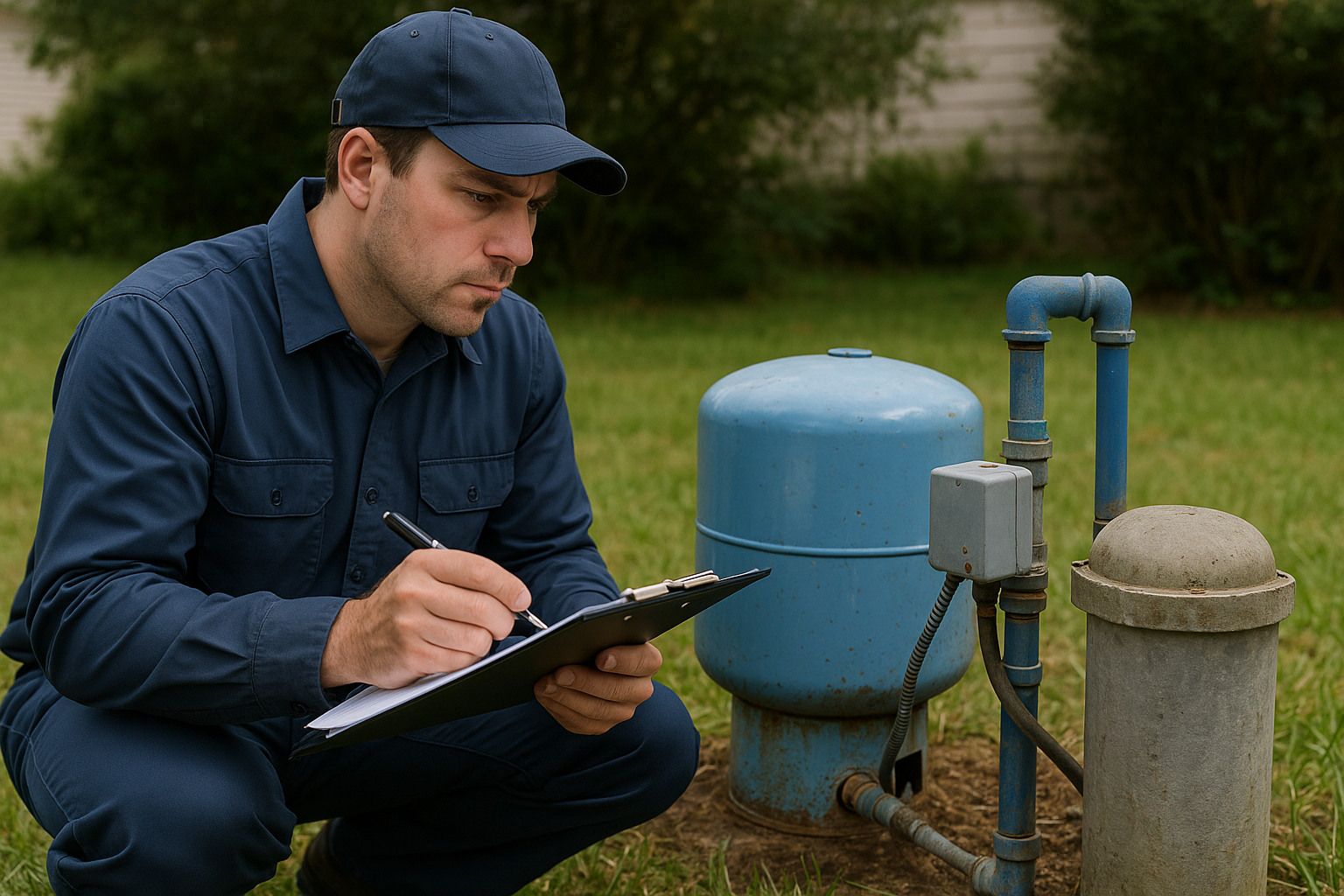
Why your well pump won't shut off. Diagnose continuous running and prevent pump damage.
📋 In This Guide
See our pump diagnosis services.
(760) 440-8520Understanding Why Your Well Pump Won't Shut Off
A well pump that runs constantly is operating under distress and demands immediate attention. Under normal operation, your pump cycles on when pressure drops to the cut-in point (typically 30-40 PSI) and shuts off at the cut-out point (50-60 PSI). When something disrupts this cycle, the pump runs indefinitely trying to reach a pressure it cannot achieve. This could stem from problems anywhere in the system: the pump itself, the pressure tank, the pressure switch, the plumbing, or even the well's water level. Understanding these components helps you diagnose the issue and communicate effectively with your well technician. Time is critical—every hour of continuous running shortens pump life significantly.
Diagnosing the Cause: Step-by-Step Troubleshooting
Start your diagnosis safely by monitoring the pressure gauge while the pump runs. If pressure never rises above a low reading (under 20 PSI), suspect pump failure or low water level. If pressure rises slowly but never reaches cut-off, look for leaks in the system. Walk your property checking for wet spots that could indicate underground pipe leaks. Inside, listen for running toilets and check all faucets. Examine the pressure tank by pressing the air valve—water coming out indicates a waterlogged tank. Check the pressure switch contacts for burns or corrosion. If your pump makes grinding sounds or vibrates abnormally, stop it immediately. These symptoms indicate internal damage requiring professional repair.
Common Causes and Their Solutions
Pressure switch failure is the simplest fix—replacement switches cost under $50 and install quickly. Waterlogged pressure tanks require replacement of the entire tank, as bladders cannot be repaired. Leaks in plumbing may be visible or hidden underground, potentially requiring leak detection services. Worn pump components like impellers or check valves reduce pumping efficiency until the pump can't build pressure. A dropping water table may be seasonal or indicate aquifer depletion, requiring pump lowering or well deepening. Each cause has a different solution and cost profile. Professional diagnosis ensures you address the actual problem rather than replacing components unnecessarily.
When to DIY vs. Call a Professional
DIY troubleshooting is appropriate for checking visible leaks, testing pressure readings, and examining the pressure switch for obvious damage. Homeowners comfortable with electrical work can replace a pressure switch after turning off power. However, any work involving the well itself, submersible pump, or underground components requires professional service. Working in wells poses serious safety risks including drowning, electrical hazards, and equipment damage. Additionally, improper repairs can contaminate your water supply or void warranties. If your diagnosis points beyond the pressure tank and switch, call a licensed well contractor. For pumps that have been running continuously for extended periods, professional assessment of pump condition is essential before resuming operation.
Preventing Future Continuous Running Issues
Regular maintenance prevents most continuous running scenarios. Check your pressure tank charge annually—it should hold air pressure about 2 PSI below the cut-in pressure when the tank is empty. Inspect pressure switch contacts yearly for corrosion and replace proactively every 5-7 years. Monitor your pump cycles; if you notice increased frequency, investigate promptly before a minor issue becomes an emergency. Install a pump protection device that shuts off the pump during low-water or overload conditions. For properties in areas with dropping water tables, consider monitoring well levels periodically. Southern California Well Service offers maintenance programs that catch small problems before they cause pump failure. Call (760) 440-8520 for a system evaluation and prevent costly emergency repairs.
We service all major pump brands including Franklin Electric, Grundfos, Goulds (Xylem), and Sta-Rite (Pentair). Our trucks carry common parts and components for same-day repairs.
Frequently Asked Questions
Why won't my well pump shut off?
A well pump that runs continuously usually indicates the system can't build enough pressure to trigger the pressure switch. Common causes include a failing pressure switch, leaks in the plumbing system, a drop in water table below the pump intake, worn pump components, or a waterlogged pressure tank. Each scenario prevents the pump from reaching its cut-off pressure, causing it to run indefinitely and risk burnout.
How long can a well pump run before it burns out?
Most well pumps are designed to run for 20-30 minutes continuously before needing rest. Running beyond this window generates excessive heat that damages motor windings and bearings. Submersible pumps in low-water conditions are especially vulnerable since water flow provides critical cooling. A pump running constantly for hours faces imminent failure. If your pump has been running non-stop for over an hour, turn off power immediately and call for service.
Can a bad pressure switch cause continuous pump running?
Yes, a faulty pressure switch is one of the most common causes. Switches can fail in the 'closed' position, keeping the pump energized regardless of pressure. Corrosion on contacts, burnt points, or a failed diaphragm can all cause this. Testing involves checking if the switch opens when pressure reaches the cut-off point. Pressure switch replacement is relatively inexpensive and often solves continuous running issues quickly.
How do I know if my well is running dry?
Signs of a dropping water table include air spurting from faucets, muddy or sandy water, inconsistent pressure, and the pump running continuously without building pressure. You may hear the pump running but notice reduced flow at fixtures. In severe cases, you'll hear the pump 'cavitating' with a grinding or rattling sound. This is an emergency—running a pump dry destroys it within minutes. Shut off power immediately if you suspect low water conditions.
Should I turn off my well pump if it won't stop running?
Yes, immediately. Continuous running causes overheating, premature wear, and eventual motor failure. Turn off the breaker to the pump, then call a professional for diagnosis. While waiting, check for obvious leaks (running toilets, dripping faucets, irrigation left on). Note how long the pump was running and any unusual sounds. This information helps technicians diagnose the issue faster when they arrive.
Get Expert Help
Contact Southern California Well Service for professional assistance.
Call (760) 440-8520Serving San Diego, Riverside & San Bernardino Counties
Related Articles
Continue learning about well maintenance and troubleshooting
