Well Pump Short Cycling: Causes and Fixes
Why your pump turns on and off rapidly. Pressure tank, switch, and leak diagnosis.
📋 In This Guide
Understanding Short Cycling and Why It Matters
Short cycling describes a well pump that starts and stops far more frequently than designed. Instead of smooth, infrequent cycles, you hear the pump kick on every time someone opens a faucet or even without any water use at all. This behavior indicates a system unable to maintain pressure between cycles, forcing the pump into constant operation. The consequences are severe: motor overheating, premature bearing wear, electrical stress from repeated start-up surges, and dramatically shortened pump life. A pump rated for 15+ years might last only 3-4 years under short-cycling conditions. Identifying and correcting the cause protects your investment and ensures reliable water supply. Most short cycling stems from pressure tank issues, making diagnosis relatively straightforward.
The Pressure Tank's Critical Role
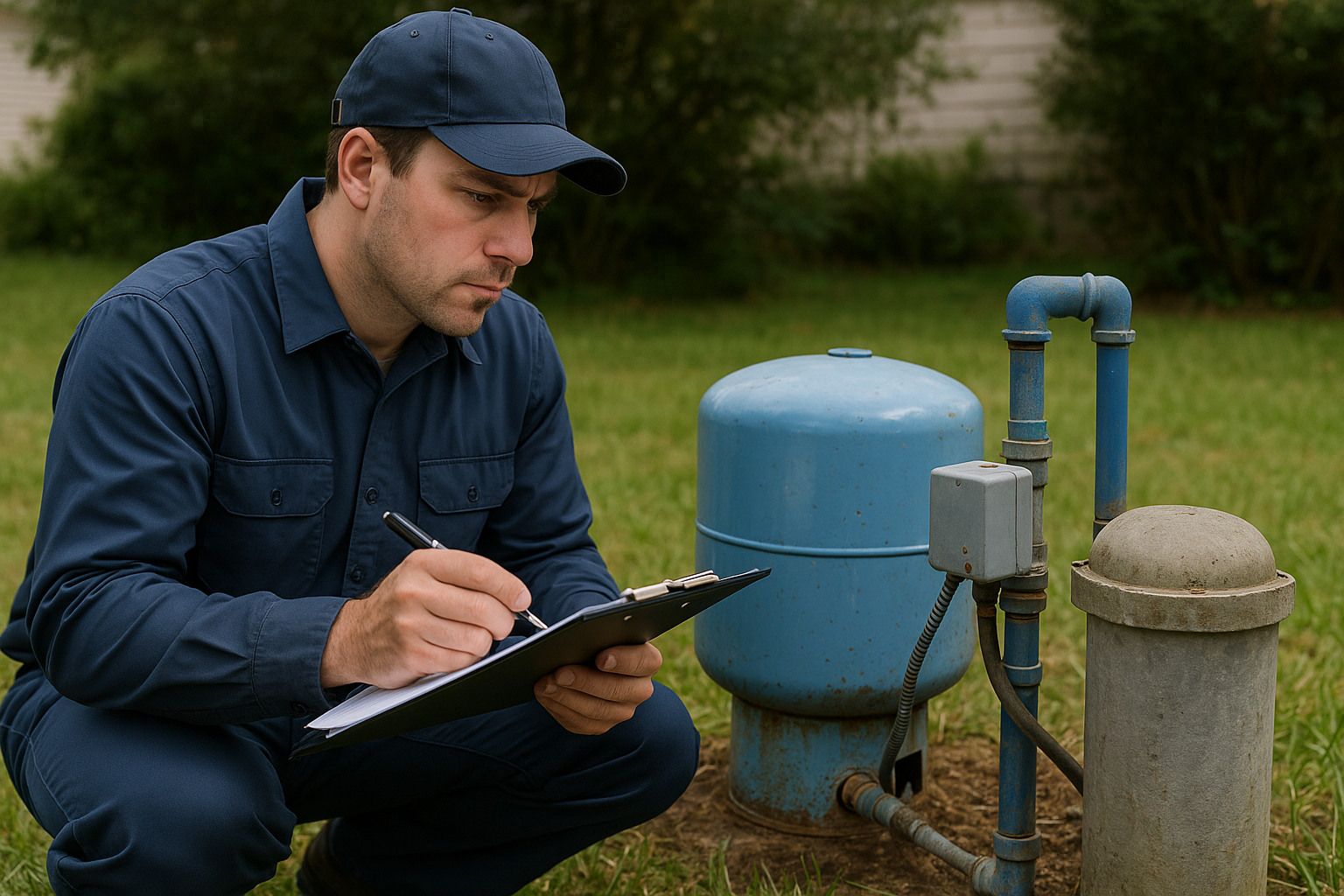
Your pressure tank serves as a buffer between the pump and your household demand. It stores water under pressure, allowing you to use water without the pump running for every drop. Inside the tank, a rubber bladder separates air from water. When you draw water, the compressed air pushes water out while pressure gradually drops. Once pressure hits the cut-in point, the pump refills the tank. When the bladder fails, water fills the entire tank with no air cushion. Now, pressure drops instantly when you open any faucet, triggering the pump. As soon as the pump builds pressure, closing the faucet creates nowhere to store it, quickly hitting cut-out. This rapid pressure swing causes short cycling. Tank replacement is the only remedy for a failed bladder.
Diagnostic Steps for Short Cycling
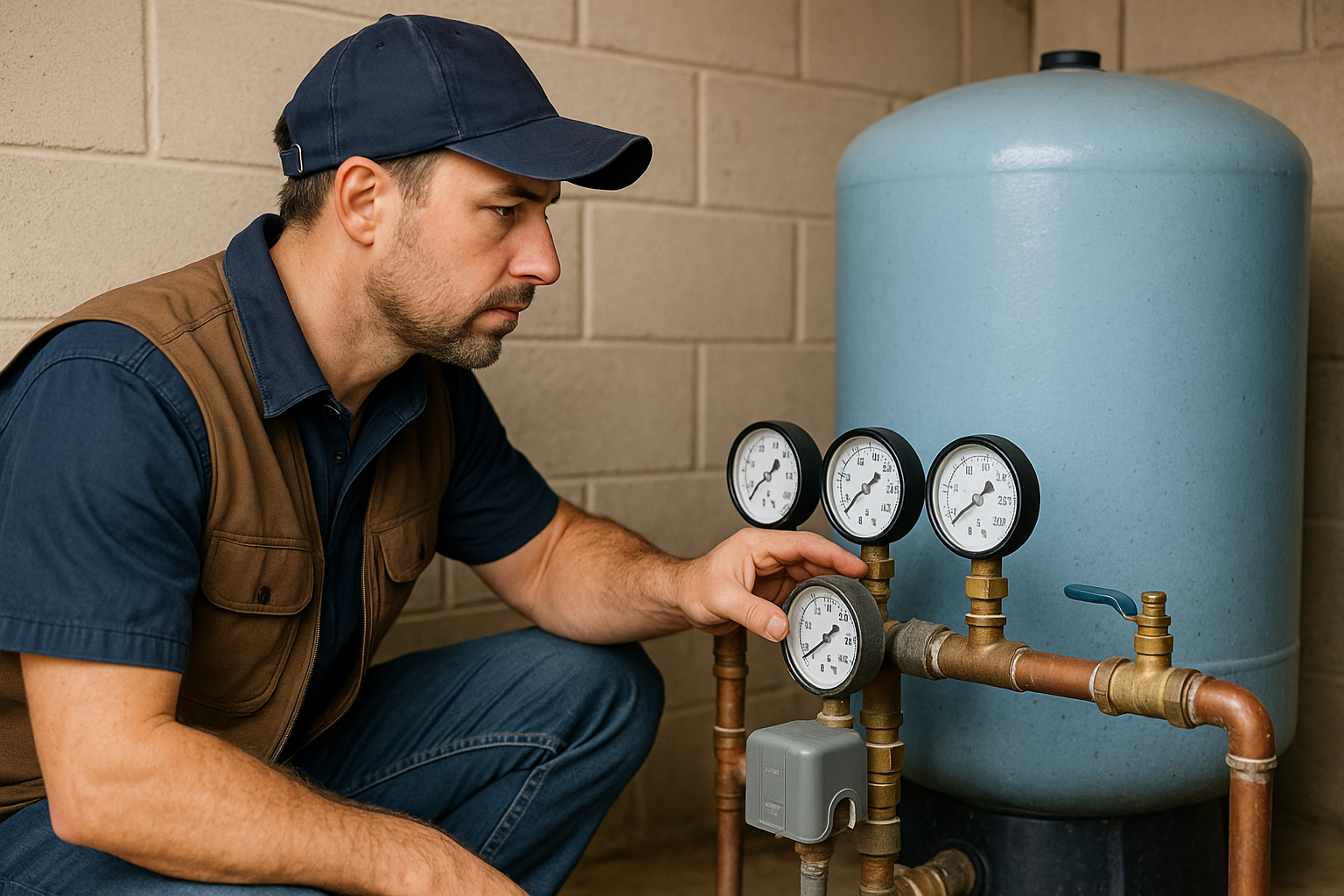
Begin diagnosis by observing pump behavior. Note how often it cycles and whether cycling occurs only during water use or continuously. Check the pressure gauge during cycling—rapid swings between cut-in and cut-out confirm tank problems. Test the tank's air charge: with the pump off and system depressurized, check the Schrader valve for water (indicating bladder failure) or measure air pressure (should be 2 PSI below cut-in). Inspect visible plumbing for leaks, and listen for running toilets. Check if the pressure switch points are burnt or pitted. If the tank tests good but cycling continues, investigate the check valve in the well—a stuck valve allows water to drain back, dropping pressure and triggering cycling.
DIY Fixes vs. Professional Repairs
Some short-cycling causes are DIY-friendly. Fixing a running toilet or leaky faucet immediately reduces unnecessary cycling. Adding air to a pressure tank with a functioning bladder is straightforward—use a bicycle pump or compressor at the Schrader valve. However, replacing a pressure tank involves shutting off power, draining the system, and often plumbing modifications requiring proper tools and skills. Pressure switch replacement requires electrical competence. Check valve problems necessitate pulling equipment from the well—definitely professional territory. If your diagnosis points to tank replacement and you're comfortable with plumbing, you might tackle it yourself. Otherwise, professional service ensures proper installation, system testing, and warranty coverage.
Preventing Short Cycling Problems
Prevent short cycling through regular maintenance. Check tank air pressure annually and recharge as needed—losing even a few PSI of air charge forces more frequent cycling. Replace pressure tanks proactively every 10-15 years before failure causes pump damage. Fix small leaks promptly; even a dripping faucet affects system behavior. Consider upgrading to a larger pressure tank if your household demand has increased—bigger tanks mean longer intervals between pump cycles. Install a cycle sensor that alerts you to abnormal cycling before damage occurs. Southern California Well Service offers system evaluations that identify developing problems. Protect your pump investment by addressing short cycling promptly. Call (760) 440-8520 for professional diagnosis and long-term solutions.
We service all major pump brands including Franklin Electric, Grundfos, Goulds (Xylem), and Sta-Rite (Pentair). Our trucks carry common parts and components for same-day repairs.
Frequently Asked Questions
What causes a well pump to short cycle?
Short cycling occurs when your pump turns on and off rapidly, often every few seconds to minutes. The primary cause is a waterlogged pressure tank—when the air bladder fails, there's no air cushion to maintain pressure between cycles. Other causes include a pressure switch set with too narrow a differential, small leaks that slowly drain pressure, or a check valve stuck partially open. Each prevents the system from maintaining stable pressure between pump cycles.
How do I know if my pressure tank is bad?
Test your pressure tank by pressing the air valve (Schrader valve) at the top while the tank is at rest. If water sprays out, the bladder has failed and the tank is waterlogged. You can also knock on the tank—a good tank sounds hollow at the top (air) and solid at the bottom (water). A bad tank sounds solid throughout. Another sign is the tank feeling equally heavy whether the pump just ran or hasn't run for hours. Waterlogged tanks need replacement.
How many times per hour should a well pump cycle?
A healthy well system should cycle 1-4 times per hour under normal household use. If your pump cycles more than 6 times per hour, or turns on every time you open a faucet, the system needs attention. Short cycling not only wastes electricity but dramatically reduces pump lifespan. Each start-up draws high amperage and stresses motor components. Frequent cycling can cut pump life from 15 years to just 3-5 years.
Can I adjust my pressure switch to stop short cycling?
Adjusting the pressure switch can help if the differential between cut-in and cut-out is too narrow. A healthy differential is 20 PSI (for example, 30/50 or 40/60 settings). However, pressure switch adjustment won't fix a waterlogged tank—that requires tank replacement. Improper adjustment can also damage your pump by making it work against excessive pressure. If you're unsure, have a professional evaluate the system rather than experimenting with settings that could cause other problems.
Is short cycling an emergency?
While not an immediate emergency like no water, short cycling is urgent and shouldn't be ignored for long. Every unnecessary cycle stresses the pump motor and electrical components. A pump short cycling for weeks will fail prematurely. If cycling is extremely rapid (every few seconds), consider shutting off the pump to prevent imminent burnout. Schedule service within days, not weeks. For rapid cycling or unusual sounds, call SCWS at (760) 440-8520 for prompt diagnosis and repair.
Get Expert Help
Contact Southern California Well Service for professional assistance.
Call (760) 440-8520Serving San Diego, Riverside & San Bernardino Counties
Related Articles
Continue learning about well maintenance and troubleshooting