Types of Well Pumps Compared
📋 In This Guide
Quick Answer: Submersible pumps are standard for most wells (deep, quiet, efficient). Jet pumps work for shallow wells or where pump access matters. Constant pressure (VFD) systems provide steady pressure like city water. Most San Diego area wells use submersibles.
Submersible Pumps
How They Work
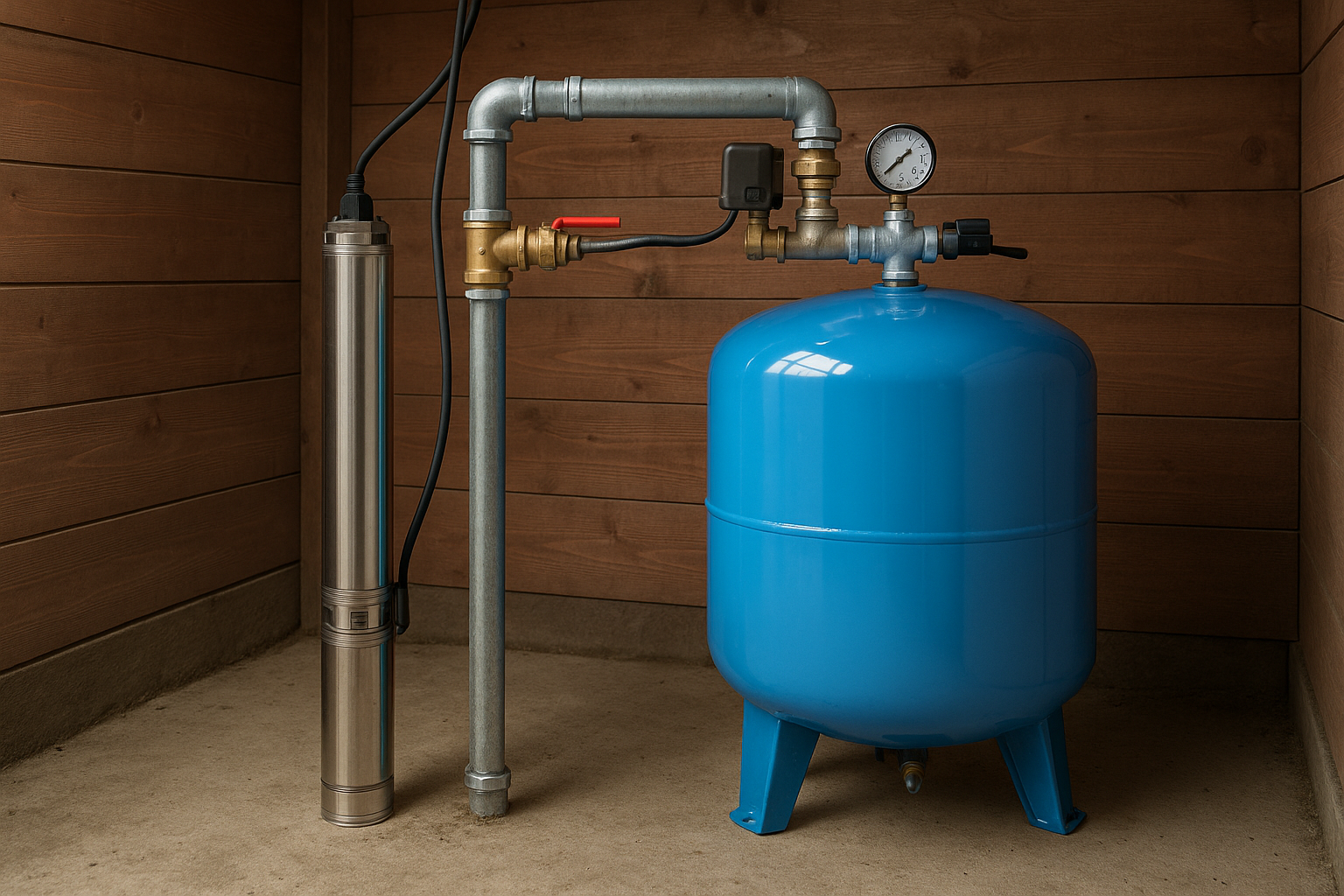
- Motor and pump sit underwater in well
- Push water up (don't suck)
- Connected by drop pipe
- Control box above ground (3-wire)
Best For
- Wells over 25 feet deep
- Most residential wells
- Deep wells (any depth)
- Where quiet operation matters
Advantages
- Works at any depth
- Quiet (underwater)
- More efficient
- Self-priming (no issues)
- Longer lifespan (8-15+ years)
- Less prone to freeze
Disadvantages
- Must pull to service ($300-$800)
- Can't see/hear problems
- Higher upfront cost
Types
- 2-wire: Controls in motor, simpler, smaller pumps
- 3-wire: Controls above ground, easier to troubleshoot
Cost
- Pump: $300-$1,500
- Installation: $500-$2,000 (depth dependent)
Jet Pumps
How They Work
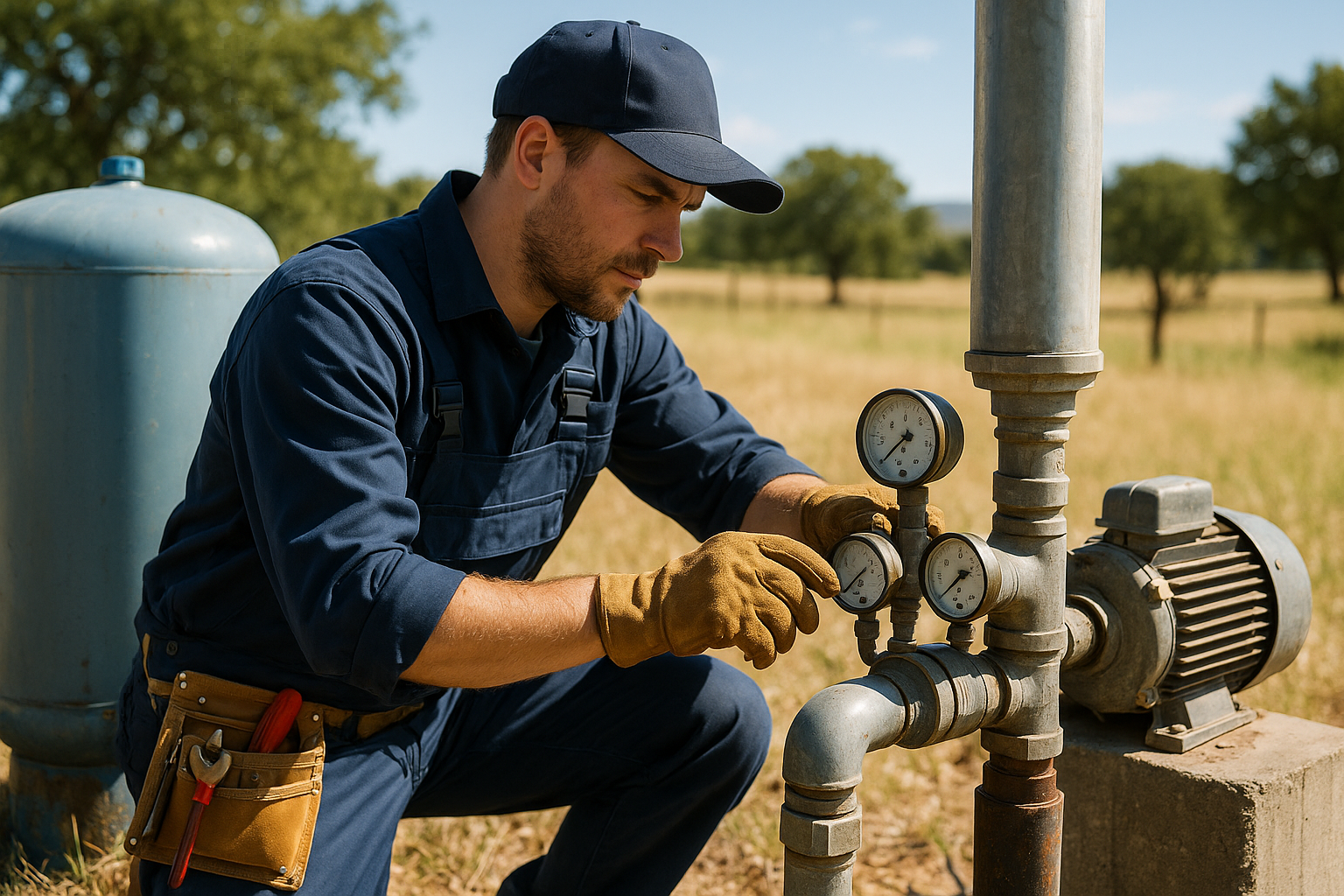
- Motor and pump sit above ground
- Use venturi to create suction
- Pull water up from well
Two Types
Shallow Well Jet
- Single pipe to well
- Water level must be within 25 feet
- Simple, economical
Deep Well Jet (Convertible)
- Two pipes to well
- Jet assembly in well
- Works to 100-120 feet
- Less efficient at depth
Best For
- Shallow wells (under 25 ft)
- Where access is needed
- Older systems
- Budget installations
Advantages
- Easy to access for repairs
- Visible/audible problems
- Lower upfront cost
- Can convert shallow to deep
Disadvantages
- Limited depth
- Noisy (above ground)
- Less efficient
- Priming issues
- Freeze protection needed
Cost
- Pump: $200-$800
- Installation: $300-$800
Constant Pressure Systems
How They Work
- Variable Frequency Drive (VFD)
- Adjusts pump speed based on demand
- Maintains constant PSI
- Works with submersible pump
Best For
- Homeowners wanting city-like pressure
- Large homes with varying demand
- Irrigation systems
- Multiple fixtures running simultaneously
Advantages
- Steady pressure (no fluctuation)
- No pressure tank cycling
- Quiet startup (soft start)
- Energy efficient at partial demand
- Longer pump life (fewer starts)
Disadvantages
- Higher cost ($1,000-$2,500 for controller)
- More complex system
- VFD can fail
- May need special pump
Brands
- Franklin SubDrive
- Grundfos SQ/SQE
- Pentair Intellidrive
Cost
- System: $2,000-$4,000
- Installation: $500-$1,500
Quick Comparison
| Feature | Submersible | Jet (Shallow) | Jet (Deep) | Constant Pressure |
|---|---|---|---|---|
| Max Depth | Any | 25 ft | 120 ft | Any |
| Efficiency | High | Medium | Low | Highest |
| Noise | Silent | Loud | Loud | Quiet |
| Lifespan | 8-15 yr | 10-15 yr | 8-12 yr | 10-15 yr |
| Repair Access | Pull pump | Above ground | Partial pull | Pull pump |
| Cost (installed) | $1,500-$3,500 | $500-$1,500 | $800-$2,000 | $3,000-$5,500 |
Recommendation
- Most wells: Submersible (best value, performance)
- Shallow wells under 25 ft: Consider jet pump
- Premium homes: Constant pressure system
Frequently Asked Questions
What is the best type of well pump?
Submersible for most wells. Efficient, quiet, long-lasting. Works at any depth.
What's the difference between submersible and jet pumps?
Submersible goes in well, pushes water. Jet stays above ground, sucks water. Submersible works deeper and more efficiently.
Is constant pressure worth it?
If you want city-like pressure with no fluctuation, yes. It's a premium upgrade but provides consistent performance.
Can I replace a jet pump with submersible?
Yes, if well is deep enough (usually better option). May need casing inspection first.
Which pump is quietest?
Submersible (underwater = silent). Constant pressure also quiet due to soft start.
Need Pump Selection Help?
We recommend the right pump type for your well and install it professionally.
Related Articles
Continue learning about well maintenance and troubleshooting