Well vs Cistern vs Rainwater: Comparing Options | SCWS
Choosing between a well, cistern, or rainwater harvesting system? Compare costs, reliability, water quality, and legal requirements for California properties to find your best water source.
📋 In This Guide
Need help? Call us:
(760) 440-8520Private Wells: Pros and Cons
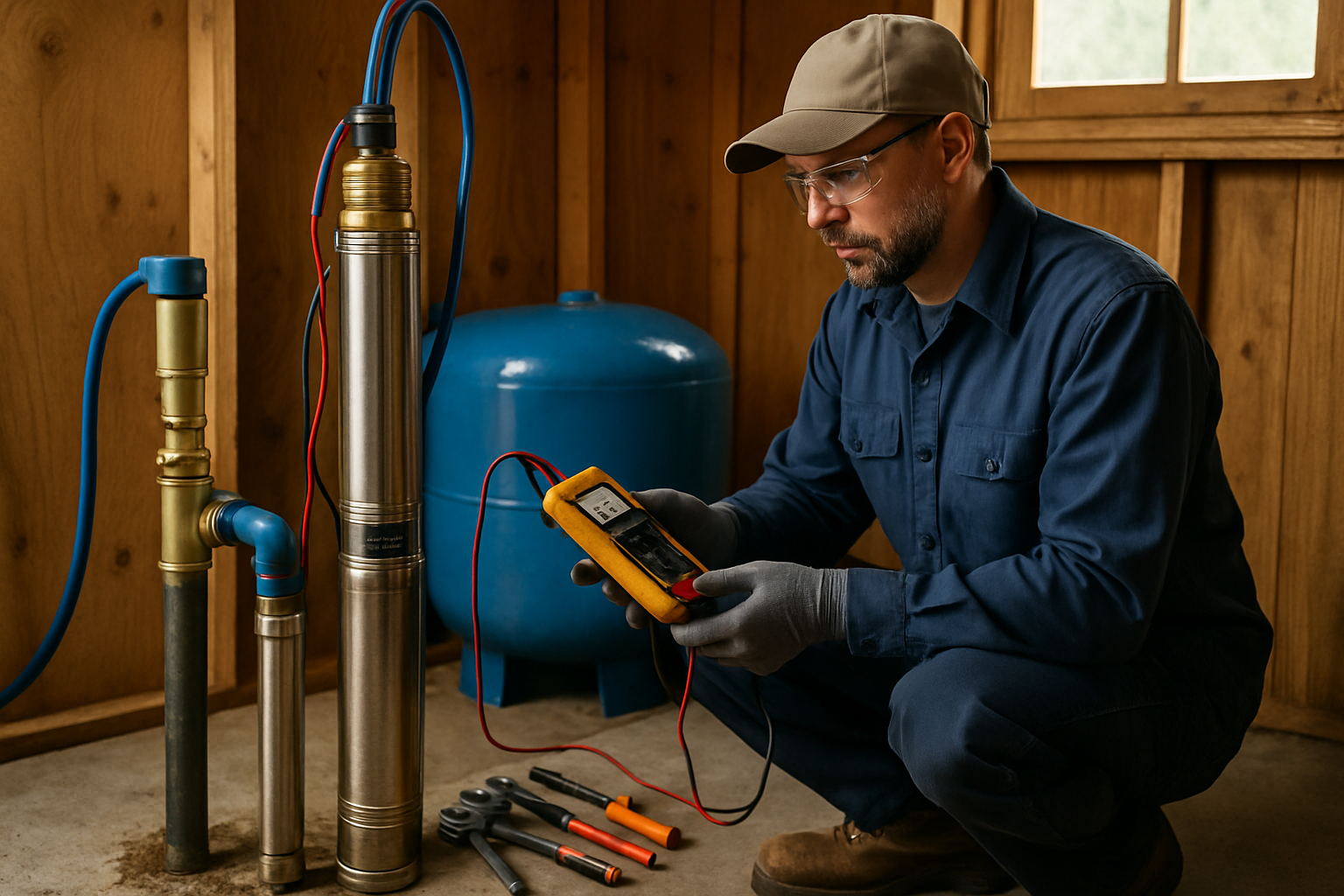
Wells tap into groundwater aquifers, providing a consistent water supply independent of weather or deliveries. Once drilled, operating costs are minimal—just electricity for the pump. However, initial drilling costs are significant, and there's always risk of a dry hole or low-yield well. Water quality varies by location and may require treatment. Wells also need periodic maintenance and eventual pump replacement every 10-20 years.
Cistern Systems Explained
Cisterns are large storage tanks (typically 1,500-10,000 gallons) filled by water delivery trucks. They're ideal when drilling isn't feasible—rocky terrain, poor groundwater, or temporary needs. Installation is straightforward and lower-cost than drilling. The downside: ongoing delivery costs add up quickly, typically $200-400 monthly for average household use. You're also dependent on delivery availability during emergencies or high-demand periods.
Rainwater Harvesting Benefits
Rainwater collection is increasingly popular for California's sustainability-minded homeowners. Systems capture roof runoff in tanks for irrigation or, with treatment, indoor use. Water is naturally soft with no minerals. However, California's dry summers mean limited collection May through October. Realistically, rainwater works best as a supplemental source—reducing well or municipal use rather than replacing it entirely.
Making the Right Choice
Consider your property's geology, budget, and water needs. Rural properties with decent aquifers benefit most from wells. Properties on solid rock or with contaminated groundwater may need cisterns. Eco-conscious homeowners with moderate needs can supplement with rainwater. Many properties use hybrid approaches—a well for primary supply with rainwater for irrigation, or a cistern backup for drought years.
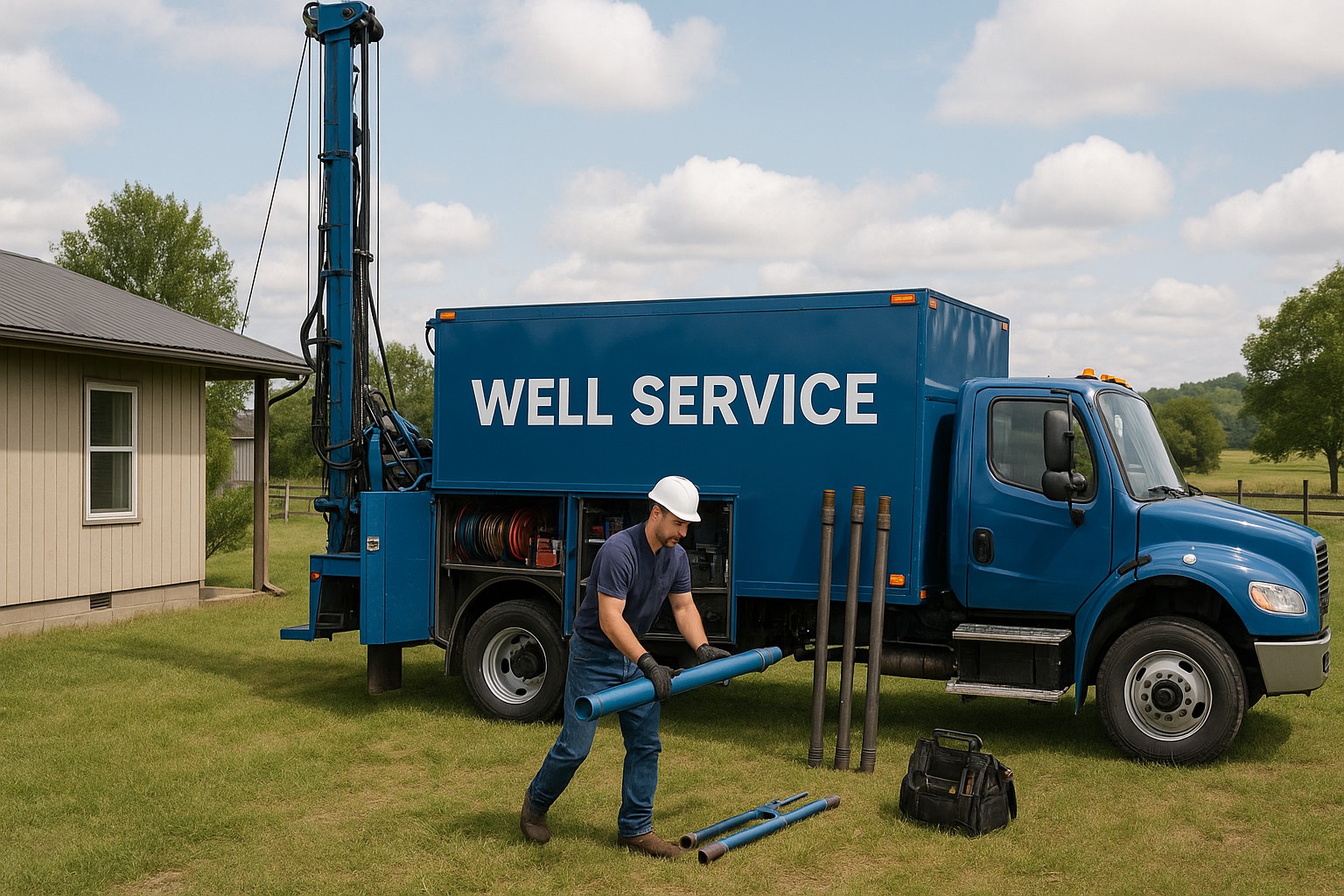
We service all major pump brands including Franklin Electric, Grundfos, Goulds (Xylem), and Sta-Rite (Pentair). Our trucks carry common parts and components for same-day repairs.
Frequently Asked Questions
Which water source is most reliable in California?
Wells are generally most reliable for year-round water supply in California, providing consistent water regardless of rainfall. Cisterns require water delivery (ongoing cost), while rainwater systems depend on precipitation—problematic during droughts. However, combining systems (well + rainwater backup) offers maximum resilience.
Is rainwater harvesting legal in California?
Yes, rainwater harvesting is legal and encouraged in California. The Rainwater Capture Act of 2012 allows property owners to collect rainwater for any beneficial use including drinking water (with proper treatment). No permit is required for most residential systems, though building permits may apply for large storage tanks.
How much does each water source cost?
Wells cost $15,000-$50,000 to drill but have low ongoing costs. Cisterns cost $5,000-$15,000 installed, plus $150-$400 monthly for water delivery. Rainwater systems range from $1,000 for basic collection to $20,000+ for whole-house systems with filtration. Over 10 years, wells typically cost least per gallon.
Get Expert Help
Contact Southern California Well Service for professional assistance.
Call (760) 440-8520Serving San Diego, Riverside & San Bernardino Counties
Related Articles
Continue learning about well maintenance and troubleshooting