Well Water During Wildfires
Living on well water in Southern California means being prepared for situations that can disrupt your water supply—from power outages and earthquakes to drought and wildfires. Here's how to prepare and what to do when problems hit.
Immediate Steps
If you've lost water or your well system has been affected by an emergency:
- Check the breaker. Power surges and outages often trip the well pump breaker. Reset it once. If it trips again, stop and call a professional.
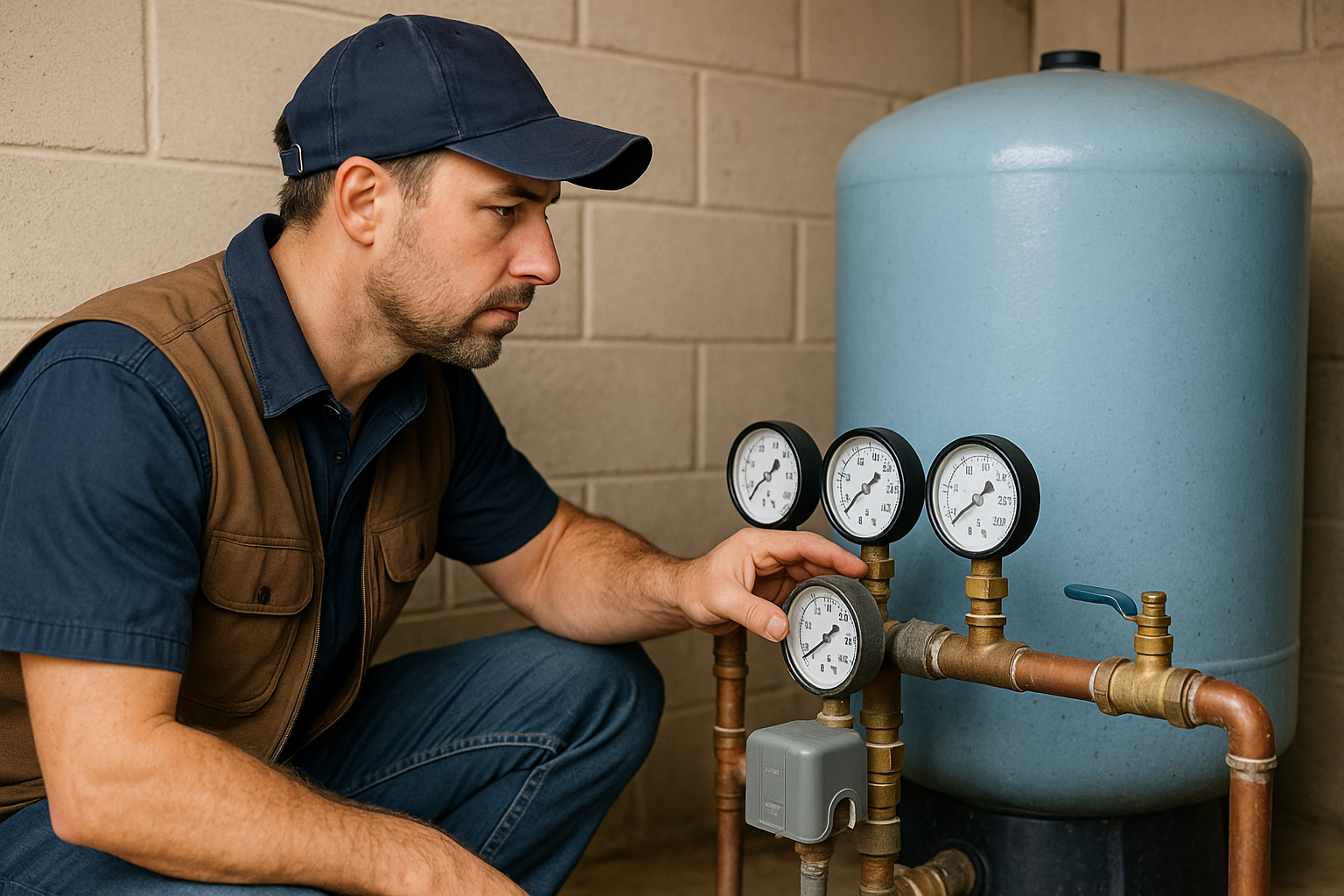
- Check the pressure gauge. If it reads zero, the system has lost all pressure. If it reads normal but no water flows, you may have a valve or pipe issue.
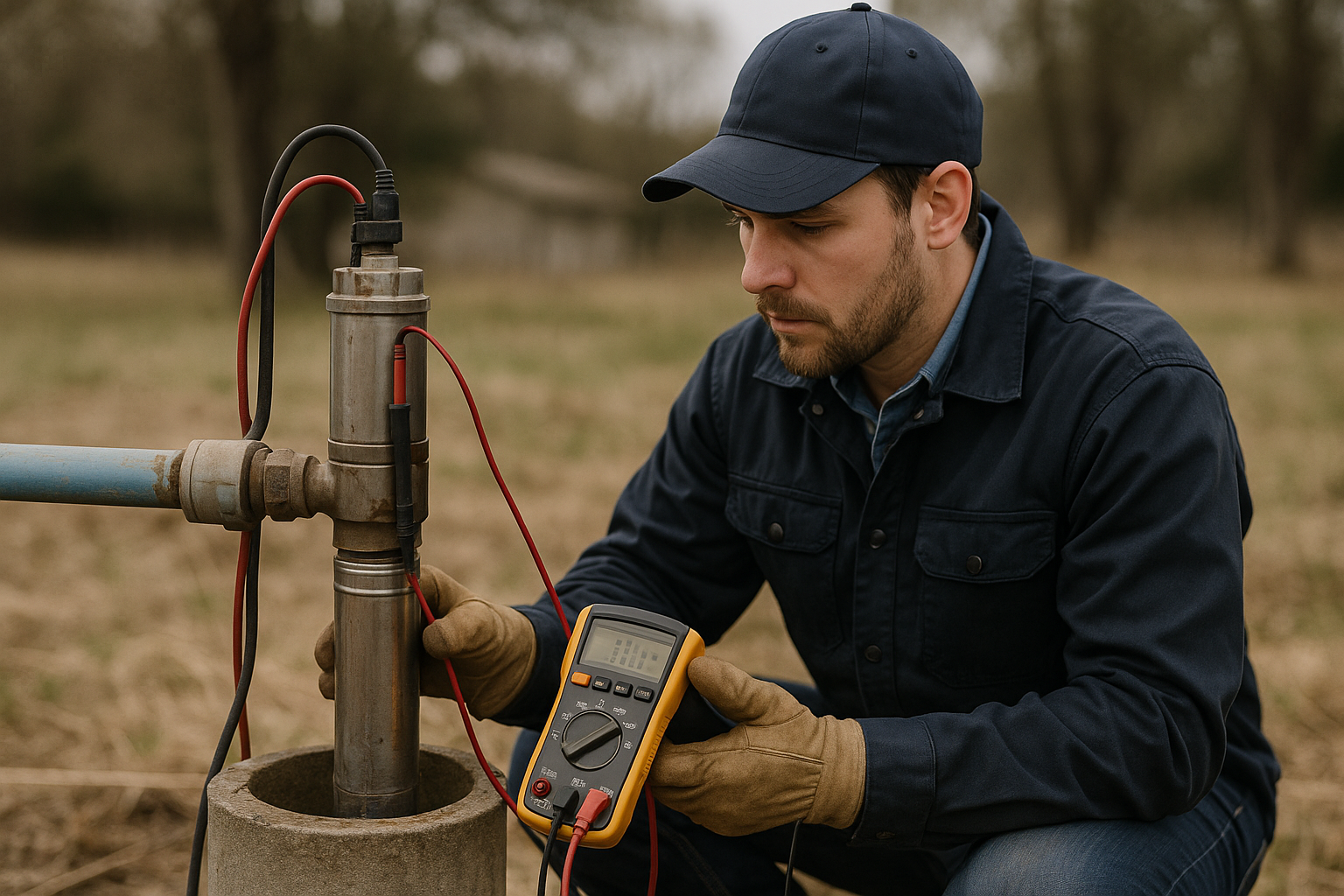
- Inspect the wellhead. Look for visible damage, displaced well cap, or standing water around the well.
- Do NOT use the water if you suspect contamination from flooding, wildfire, or earthquake until it's been tested.
Power Outage Preparation
Well pumps require electricity, so power outages mean no water. Options for backup:
- Portable generator: A 5,000+ watt generator can run most residential well pumps. Cost: $500–$2,000. Make sure it can handle the pump's starting amperage (3–4x running amps). Connect via a transfer switch—never backfeed through an outlet.
- Whole-house generator: Automatic standby generators start within seconds of a power outage. Cost: $5,000–$15,000 installed. The best option for properties that can't afford any water interruption.
- Battery backup system: Newer battery systems (Tesla Powerwall, etc.) can run a well pump for limited periods. Size carefully—pump startup loads are high.
- Water storage tank: A 500–2,500 gallon storage tank with a booster pump provides hours to days of water without the well pump running. Cost: $2,000–$8,000 installed. Common on rural properties in Ramona, Julian, and the backcountry.
Drought and Low Water Level
Southern California's recurring droughts directly affect well water levels. If your well is running low:
- Reduce usage during peak hours — spread out water-heavy activities (laundry, irrigation) to allow the well to recover
- Check your static water level — a qualified contractor can measure how much water is in your well and whether levels are declining
- Consider deepening the well — if the water table has permanently dropped, deepening may access deeper aquifers ($5,000–$15,000)
- Add storage — a storage tank lets the well refill slowly and provides a buffer during high-demand periods
- Hydrofracturing — can sometimes improve yield in rock formations by opening fractures ($3,000–$8,000)
After an Earthquake
Earthquakes can damage well casings, shift formations, and change water quality. After any significant earthquake:
- Inspect the wellhead visually for cracks, shifts, or damage
- Watch for changes in water clarity, color, or taste
- Have your water tested for bacteria within a few days
- Consider a video inspection if you notice any changes ($300–$600)
- Note: some wells actually improve after earthquakes as new fractures open up
Wildfire Concerns
During Southern California's fire season, well owners should be aware of:
- Electrical components (control box, wiring) can be damaged by heat even without direct flames
- Post-fire runoff can introduce contaminants into shallow aquifers
- Water storage tanks provide critical supply for fire suppression—many rural fire departments recommend 2,500+ gallons of on-site storage
- Test your water after any nearby wildfire before resuming normal use
Emergency Well Service
SCWS provides emergency well service throughout San Diego, Riverside, and San Bernardino counties. When your water stops, we respond fast—most emergency calls are addressed within 24 hours. Call us at (760) 440-8520.
Need Professional Help?
SCWS has 30+ years of experience serving San Diego, Riverside, and San Bernardino counties. Licensed C-57 contractor (CSLB #1086994).
Call (760) 440-8520