Is Well Water Safe for Baby Formula? What Parents Need to Know
📋 In This Guide
Primary Concerns
Why Infants Are Vulnerable
- Developing immune systems
- Higher water-to-body-weight ratio
- Immature digestive systems
- Specific sensitivity to nitrates
Main Contaminants to Watch
| Contaminant | Safe Level | Concern |
|---|---|---|
| Nitrates | Below 10 mg/L | Blue baby syndrome |
| Bacteria | None | Infection |
| Lead | Below 15 ppb | Developmental |
| Arsenic | Below 10 ppb | Long-term health |
When to Be Extra Careful
- Shallow wells (more contamination risk)
- Agricultural areas (fertilizer runoff)
- Near septic systems
- Old wells (less sealing)
- Never tested water
Nitrates Explained
What Are Nitrates?
- Naturally occurring nitrogen compounds
- Come from fertilizers, septic, manure
- Dissolve in groundwater
- Odorless, tasteless, colorless
- Can't detect without testing
Blue Baby Syndrome
- Medical name: methemoglobinemia
- Nitrates reduce blood's oxygen-carrying capacity
- Causes bluish skin, especially around lips/face
- Most dangerous for infants under 6 months
- Can be life-threatening if severe
Why Infants Are At Risk
- Formula makes up large portion of intake
- Stomach pH allows bacteria to convert nitrate to nitrite
- Fetal hemoglobin more susceptible
- Adults can tolerate higher levels
Safe Level
10 mg/L (10 ppm) or less for nitrate-nitrogen
If your test shows nitrate as NO3: safe level is 45 mg/L
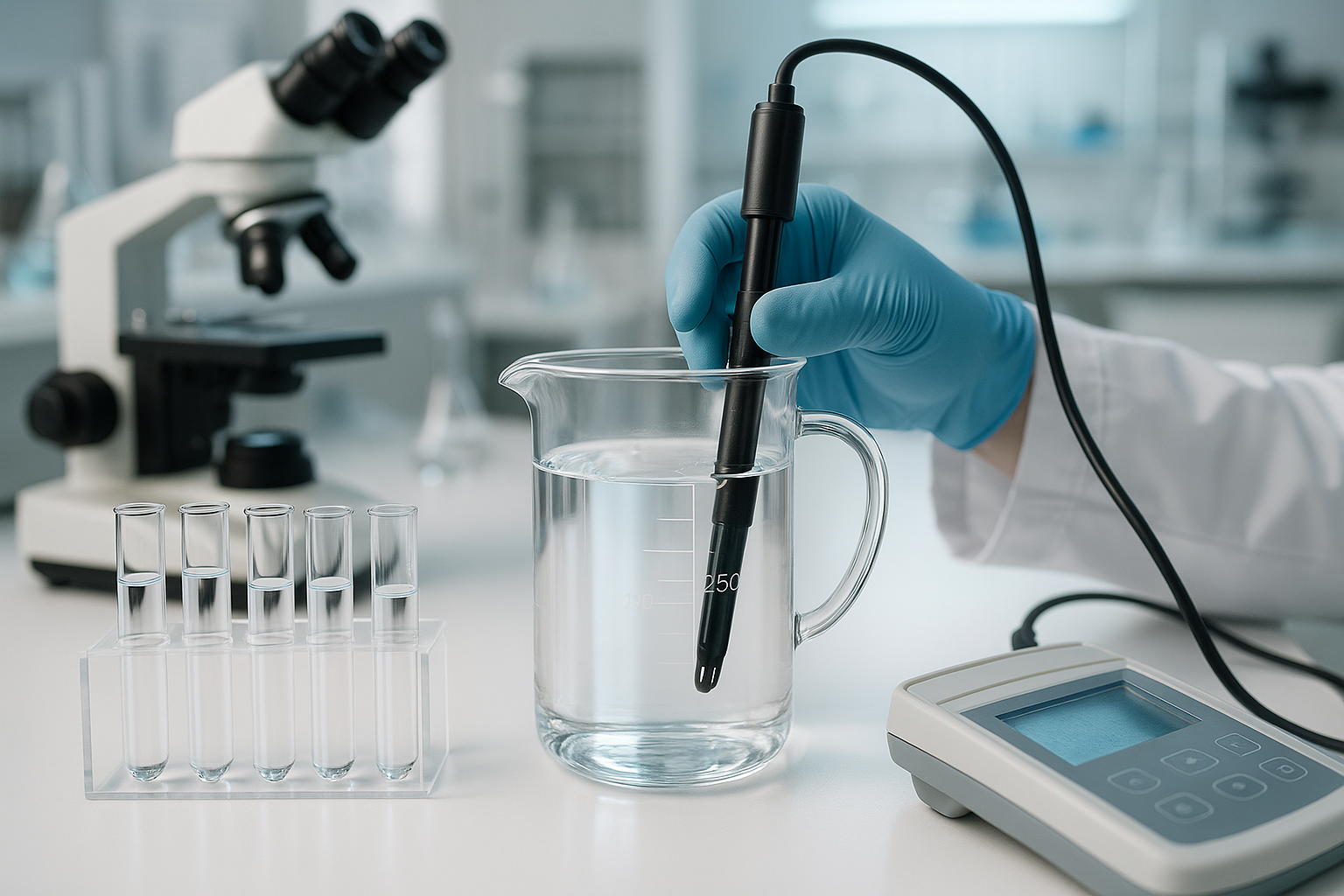
Testing Your Water
When to Test
- Before birth (plan ahead)
- Immediately if you have new baby and haven't tested
- Annually thereafter
- After any contamination event
Minimum Tests for Baby Safety
- Nitrates (critical)
- Bacteria (coliform, E. coli)
- pH (affects other contaminants)
Additional Recommended Tests
- Lead (especially older homes with lead pipes)
- Arsenic (if naturally occurring in area)
- Iron, hardness (affect formula mixing)
Where to Test
- State-certified laboratory
- County health department
- Private water testing labs
Cost
- Nitrate + bacteria: $50-$100
- More comprehensive panel: $100-$300
- Small price for peace of mind
Treatment Options
If Nitrates Are High
Boiling does NOT remove nitrates—it concentrates them.
Effective Treatment
- Reverse osmosis (RO): Removes 80-95% of nitrates
- Ion exchange: Specialized nitrate removal system
- Distillation: Removes nitrates but expensive
If Bacteria Present
- UV disinfection: Kills bacteria
- Chlorination: Disinfects water
- Also: Fix contamination source (well sealing)
- Boiling works for bacteria (1 minute rolling boil)
Point-of-Use RO
- Under-sink system
- Dedicated faucet for treated water
- Cost: $200-$500 installed
- Good solution for formula preparation
When to Use Bottled Water
Use Bottled If:
- Well hasn't been tested recently
- Any positive bacteria test
- Nitrates above 10 mg/L
- Waiting for test results
- Any doubt about water quality
Choosing Bottled Water
- Use purified or distilled water
- OR labeled "suitable for infants"
- Avoid mineral water (high minerals)
- Check fluoride content if concern
Temporary vs Long-Term
- Bottled is fine short-term
- Long-term: more practical to treat your well water
- RO system pays for itself vs ongoing bottled water
We service all major pump brands including Franklin Electric, Grundfos, Goulds (Xylem), and Sta-Rite (Pentair). Our trucks carry common parts and components for same-day repairs.
Frequently Asked Questions
Is well water safe for baby formula?
Only if tested and confirmed safe. Must be below 10 mg/L nitrates and free of bacteria. Test before use.
What should I test for?
At minimum: nitrates and bacteria. Consider lead and arsenic based on your area.
Does boiling make well water safe for babies?
Boiling kills bacteria but concentrates nitrates—makes them worse. Don't boil if nitrates are concern.
How often should I test if I have a baby?
Before baby arrives, then annually. More often if near agriculture or septic.
At what age can babies tolerate higher nitrates?
Risk decreases after 6 months as digestive system matures. Still best to keep water below 10 mg/L for children.
Need Your Water Tested?
We provide water testing and treatment solutions to ensure your family's water is safe.
Related Articles
Continue learning about well maintenance and troubleshooting