Is Well Water Good for Gardens & Vegetables?
📋 In This Guide
Benefits of Well Water for Gardens
No Chlorine
- City water contains chlorine
- Chlorine can kill beneficial soil microbes
- Well water is chlorine-free
- Better for soil biology
Natural Minerals
- Often contains beneficial minerals
- Calcium, magnesium (hardness) can benefit plants
- Iron is a plant nutrient
- Natural trace minerals
Cost
- No water bill for garden use
- Only cost is electricity for pump
- Can water liberally when needed
Availability
- No water restrictions (usually)
- Available during droughts
- On-demand supply
Potential Concerns
Sodium
- High sodium damages plants
- Causes leaf burn, poor growth
- Accumulates in soil
- Concern: over 70 ppm for sensitive plants
Salts (TDS)
- Total Dissolved Solids
- High TDS can stress plants
- Under 500 ppm: good for most plants
- 500-1000 ppm: watch sensitive plants
- Over 1000 ppm: may need treatment
pH
- Most plants like pH 6.0-7.0
- High pH (alkaline) locks up nutrients
- Especially iron, manganese, phosphorus
- May need to acidify soil
Boron
- Some wells have high boron
- Toxic to plants at high levels
- Over 1 ppm can cause problems
- More common in certain regions
Iron
- Generally NOT a concern
- Iron is a plant nutrient
- May stain leaves/surfaces
- Orange soil coloring (cosmetic)
For Vegetable Gardens
Safe for Eating?
- If water is safe to drink, safe for veggies
- Plants don't concentrate most contaminants
- Wash vegetables before eating (standard practice)
Heavy Metals
- Test if concerned about arsenic, lead
- Most wells are fine
- If drinking water is tested safe, garden is too
Organic Certification
- May require water testing
- Heavy metals, nitrates typically checked
- Check specific certification requirements
Sensitive Vegetables
- Beans: Sensitive to salt and boron
- Peppers: Sensitive to high sodium
- Strawberries: Sensitive to salt and chloride
- Most others: Tolerant of typical well water
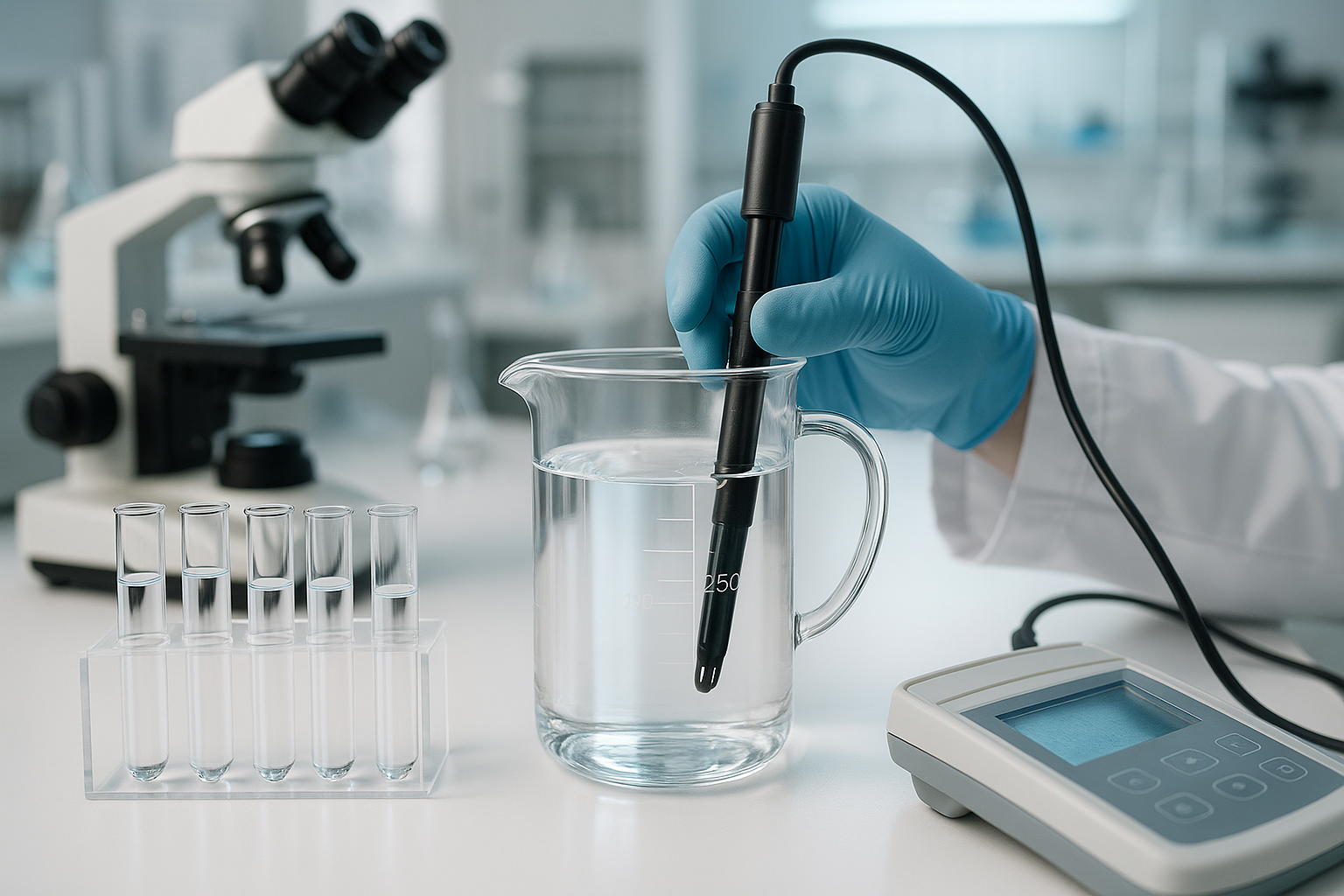
Testing for Garden Use
When to Test
- Plants showing unexplained problems
- Leaf burn or yellowing
- Poor growth despite good conditions
- New well or unfamiliar water source
- Commercial/organic production
What to Test
- pH: Most important for gardens
- EC/TDS: Total salts
- Sodium: Damages many plants
- Boron: If in problem area
- SAR: Sodium absorption ratio (for irrigation)
Irrigation Water Test
- Different from drinking water test
- Focuses on plant-relevant parameters
- Available from agricultural labs
- Cost: $30-$75
Treatment Options
For High Sodium/Salts
- Reverse osmosis (expensive for irrigation)
- Blend with rainwater
- Use for salt-tolerant plants only
- Apply gypsum to soil (helps with sodium)
For High pH
- Acidify soil with sulfur
- Use acidic mulches (pine)
- Add acid to water (phosphoric, citric)
- Choose alkaline-tolerant plants
Softened Water
- Don't use salt-softened water on garden
- Adds sodium to soil
- Use bypass for outdoor spigots
- Raw well water is better for irrigation
Best Practice
Most well water is excellent for gardens without treatment. Test only if you see problems.
We service all major pump brands including Franklin Electric, Grundfos, Goulds (Xylem), and Sta-Rite (Pentair). Our trucks carry common parts and components for same-day repairs.
Frequently Asked Questions
Is well water safe for vegetable gardens?
Usually excellent—no chlorine, natural minerals. Test if plants struggle or for organic certification.
Can I water my garden with iron-rich water?
Yes—iron is a nutrient. May stain leaves/surfaces but doesn't harm plants.
Is hard water bad for plants?
Usually not—calcium and magnesium are nutrients. Very hard water over time can raise soil pH; mulch and amendments can offset.
Should I use softened water on my garden?
No—softened water has sodium which damages plants. Bypass the softener for outdoor spigots.
Why are my plants getting leaf burn?
Could be high sodium, high salts, or boron in water. Test water and check EC/TDS and sodium levels.
Questions About Your Well Water?
We test water quality for both household and irrigation use.
Related Articles
Continue learning about well maintenance and troubleshooting