Iron Filter for Well Water: Complete Guide
📋 In This Guide
Types of Iron in Well Water
Ferrous Iron (Clear Water Iron)
- Dissolved—water looks clear
- Turns orange/brown when exposed to air
- Most common type
- Easier to treat
Ferric Iron (Red Water Iron)
- Already oxidized—water looks rusty
- Particulate form
- Can be filtered mechanically
Iron Bacteria
- Living organisms that metabolize iron
- Slimy, rusty deposits
- Often has swampy odor
- Harder to treat—needs disinfection
Organic Iron
- Bound to organic matter (tannins)
- Gives tea-colored water
- Harder to treat
- May need special treatment
Test First
- Know your iron level (ppm)
- Know iron type
- Also test pH, hardness, manganese
- Proper diagnosis = effective treatment
Iron Filter Types
1. Air Injection/Oxidation Systems
- Injects air to oxidize iron
- Oxidized iron filtered by media
- Chemical-free
- Popular choice
Pros
- No chemicals needed
- Also removes sulfur smell
- Handles moderate to high iron
Cons
- Requires good pressure
- Air pump can fail
- More complex
Cost: $1,200-$2,500
2. Chemical Oxidation (Chlorine/Peroxide)
- Injects chlorine or hydrogen peroxide
- Oxidizes iron and bacteria
- Followed by filtration
Pros
- Very effective
- Kills iron bacteria
- Handles high iron
Cons
- Chemical handling
- May need carbon filter after
- More maintenance
Cost: $1,500-$3,000
3. Greensand/Manganese Dioxide Media
- Media oxidizes and filters iron
- Regenerates with potassium permanganate
- Or uses catalytic media
Pros
- Proven technology
- Also removes manganese
Cons
- Potassium permanganate handling
- Media replacement needed
Cost: $1,000-$2,500
4. Birm Filter
- Catalytic media
- Uses dissolved oxygen in water
- Backwash only—no chemicals
Pros
- Low maintenance
- No chemicals
Cons
- Requires pH above 6.8
- Needs dissolved oxygen
- Lower iron capacity
Cost: $800-$1,500
5. Water Softener
- Ion exchange removes low iron
- Under 2-3 ppm ferrous only
- Also removes hardness
Limitations
- Iron fouls resin over time
- Doesn't handle iron bacteria
- High iron needs dedicated filter first
Sizing Your System
Factors
- Iron level (ppm)
- Flow rate needed (GPM)
- Water pH
- Manganese level
- Presence of iron bacteria
General Guidelines
| Iron Level | Recommended System |
|---|---|
| Under 0.3 ppm | No treatment needed |
| 0.3-2 ppm | Water softener may suffice |
| 2-5 ppm | Iron filter recommended |
| 5-15 ppm | Iron filter required |
| 15+ ppm | Heavy-duty system needed |
Flow Rate
- Match system to peak household demand
- Typical home: 7-12 GPM
- Undersized = pressure drop, poor filtering
Maintenance
Regular Tasks
- Check system operation
- Monitor pressure
- Ensure backwash is happening
Chemical Systems
- Refill chlorine/peroxide solution
- Check injection pump
- Replace carbon filter as needed
Media Replacement
- Every 5-10 years typically
- Depends on usage and iron level
- Signs: declining performance
Annual Service
- Professional checkup recommended
- Test water quality
- Verify settings
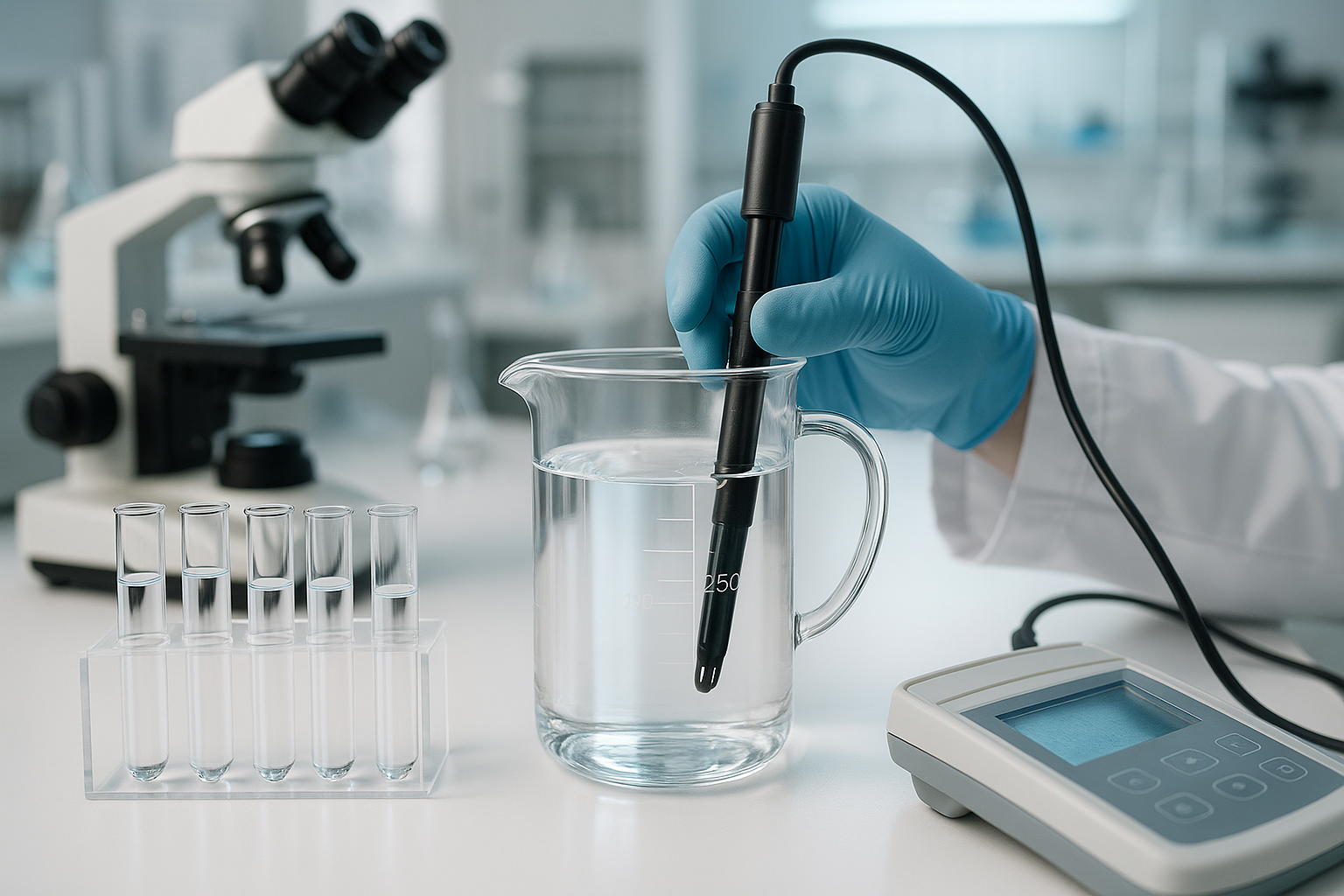
We use Hach and LaMotte professional water testing equipment for field analysis, with comprehensive lab testing through certified California laboratories.
Frequently Asked Questions
What is the best iron filter for well water?
Depends on iron type and level. Air injection for moderate iron. Chemical oxidation for iron bacteria. Test first.
Do I need an iron filter or water softener?
Softener handles low iron (under 2-3 ppm). Higher iron needs dedicated filter. Many homes use both.
Will an iron filter remove rust stains?
It prevents new stains. Existing stains need cleaning. Once iron is removed, no new staining occurs.
How often does iron filter media need replacing?
Typically 5-10 years. Depends on iron level and water use. Watch for declining performance.
Can I install an iron filter myself?
Possible if handy with plumbing. Professional installation ensures proper sizing and setup.
Need Iron Treatment?
We test water and install the right iron filter for your situation.
Related Articles
Continue learning about well maintenance and troubleshooting