Is Well Water Safe to Drink? What You Need to Know
📋 In This Guide
Well Water vs City Water Regulation
City Water (Public)
- Regulated by EPA under Safe Drinking Water Act
- Tested multiple times daily
- Treatment required to meet standards
- Violations must be reported to public
Private Well Water
- NOT regulated by EPA
- Homeowner responsible for testing
- No required treatment
- Quality varies by location
What This Means
Private well water can be excellent quality—often better than city water. But it can also have problems you don't know about unless you test. The responsibility is yours.
Common Well Water Contaminants
Health-Related (Test For These)
| Contaminant | Source | Health Concern | Treatment |
|---|---|---|---|
| Coliform bacteria | Surface contamination | Indicates possible pathogens | Shock chlorination, UV |
| E. coli | Fecal contamination | Serious illness | Fix contamination source, UV |
| Nitrates | Fertilizer, septic | Blue baby syndrome | Reverse osmosis |
| Arsenic | Natural geology | Cancer risk | RO, specialized filtration |
| Lead | Old plumbing | Neurological damage | RO, replace plumbing |
Nuisance Issues (Not Health Risks)
| Issue | Problem | Treatment |
|---|---|---|
| Hardness | Scale, soap scum | Water softener |
| Iron | Staining, taste | Iron filter |
| Sulfur smell | Rotten egg odor | Aeration, filtration |
| Sediment | Cloudy water | Sediment filter |
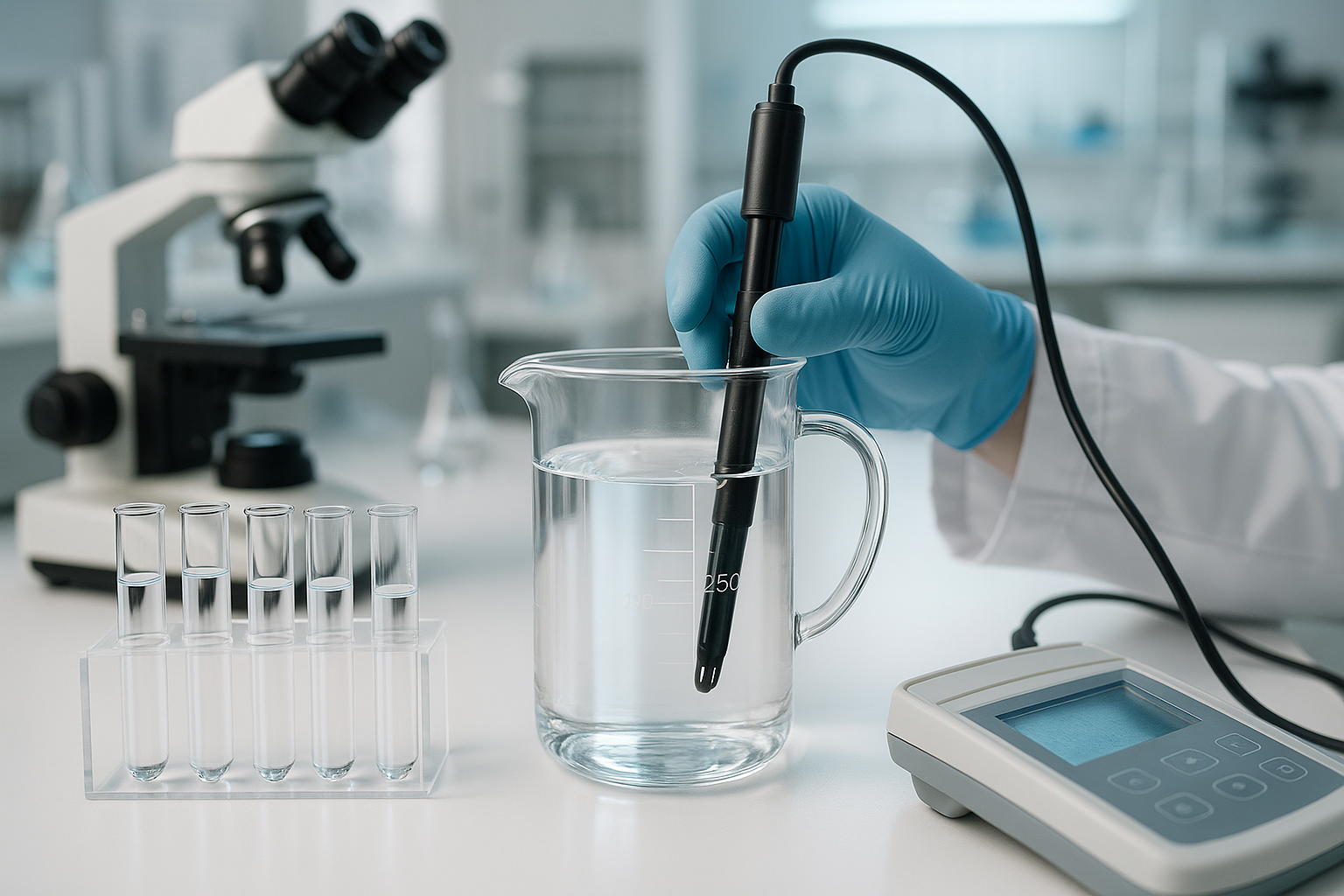
How to Test Your Well Water
Minimum Annual Testing
- Coliform bacteria: $25-$50
- Nitrates: $25-$40
These are the most critical health tests.
Every 3-5 Years
- pH, hardness, TDS
- Iron, manganese
- Any local concerns (arsenic, radon, etc.)
- Cost: $100-$300 for comprehensive panel
Test Immediately If:
- Water changes color, taste, or odor
- After flooding or well work
- Household illness of unknown cause
- Nearby contamination event
Where to Test
- State-certified labs (most reliable)
- County health departments (often free/low cost)
- Private labs
Treatment Options
Almost any water quality issue can be treated. Common solutions:
Bacterial Contamination
- Shock chlorination ($100-$300)
- UV disinfection ($500-$1,500)
- Continuous chlorination ($1,500-$3,500)
Nitrates
- Reverse osmosis at tap ($300-$800)
- Whole-house RO ($2,000-$5,000)
Arsenic
- Specialized arsenic filter ($1,000-$3,000)
- Reverse osmosis
Hard Water
- Water softener ($1,500-$4,000)
Iron/Sulfur
- Oxidizing filter ($800-$2,500)
- Aeration system ($1,500-$4,000)
Advantages of Well Water
Benefits Over City Water
- No chlorine: Fresher taste, no chemical smell
- No fluoride: Unless naturally occurring (some prefer this)
- No monthly bill: Water is essentially free after well installation
- No restrictions: No drought restrictions or tiered pricing
- Mineral content: Natural calcium and magnesium
- Independence: Not affected by water main breaks
Why Many Prefer Well Water
When properly maintained and tested, well water is often preferred for its taste and purity. It comes directly from the aquifer without traveling through miles of pipes or treatment plants.
We service all major pump brands including Franklin Electric, Grundfos, Goulds (Xylem), and Sta-Rite (Pentair). Our trucks carry common parts and components for same-day repairs.
Frequently Asked Questions
Is well water safe to drink?
Most well water is safe, but testing is essential. Private wells aren't regulated, so you're responsible for ensuring safety through regular testing and treatment if needed.
How do I know if my well water is safe?
Test it. There's no other way to know. Annual bacteria and nitrate tests are minimum. If it passes, it's safe.
Is well water healthier than city water?
It can be. Well water has no chlorine or added chemicals. However, untreated well water could have natural contaminants. The key is testing to ensure quality.
What percentage of well water is contaminated?
Studies suggest about 20-30% of private wells have at least one contaminant above recommended levels. Most issues are treatable. Testing identifies problems.
Can you get sick from well water?
Yes, if it contains bacteria or other pathogens. This is why annual bacteria testing is critical. Properly maintained wells rarely cause illness.
Should I filter my well water?
Depends on what's in it. Many wells need nothing beyond a sediment filter. Others benefit from softening or other treatment. Test first, then treat based on results.
Want to Know If Your Well Water Is Safe?
We offer water testing and can recommend treatment if any issues are found.
Related Articles
Continue learning about well maintenance and troubleshooting