Well Water Smells Bad After Sitting Overnight – Causes and Solutions
There's nothing like turning on the faucet first thing in the morning and being greeted by water that smells stale, rotten, or just "off." If you're on well water in Southern California, you're not alone — this is one of the most common complaints we hear from homeowners across San Diego County, Riverside County, and the Inland Empire.
The good news: water that smells bad after sitting overnight usually indicates bacteria growth in your plumbing system or water heater rather than a fundamental problem with your well. That means it's treatable, and in many cases, you can take immediate steps to improve the situation before calling a professional.
In this guide, we'll walk through every cause we've encountered in over a decade of well service work, explain how to diagnose what's happening in your specific situation, and outline both DIY fixes and professional treatment options.
📋 In This Guide
Why Water Smells Worse After Sitting
When water sits stagnant in pipes overnight — typically six to ten hours without movement — several chemical and biological processes create odors that aren't noticeable during the day when water flows regularly.
Bacterial Growth in Pipes (Biofilm)
Biofilm is a thin layer of bacteria and organic material that naturally develops inside water pipes over time. Every plumbing system has some biofilm — it's unavoidable. While water is flowing, this biofilm stays minimal and doesn't affect water quality noticeably. But when water sits still for hours, the conditions change dramatically:
- Bacteria multiply rapidly in the warm, dark, oxygen-depleted environment inside your pipes
- Bacterial metabolism produces sulfur compounds — specifically hydrogen sulfide (H₂S) — and other odorous byproducts
- These compounds concentrate in the standing water column, building up over hours of stagnation
- The first water drawn in the morning contains this bacteria-laden, odor-concentrated water
- Copper and galvanized steel pipes develop biofilm differently — galvanized pipes are rougher inside and harbor more bacteria
Biofilm is particularly problematic in homes with long pipe runs between the well pressure tank and the point of use. If your bathroom is far from your pressure tank, the water in that pipe has been sitting longer and will typically smell worse than a faucet closer to the tank.
Water Heater Bacteria
If the smell is primarily in hot water, your water heater is almost certainly the culprit. This is one of the most common causes of smelly well water, and it's often misdiagnosed as a well problem:
- Anode rod reaction: Every tank water heater has a sacrificial anode rod — usually magnesium or aluminum — designed to corrode instead of your tank. When sulfate-reducing bacteria (SRB) are present, they use the hydrogen produced by the corroding anode as an energy source and produce hydrogen sulfide gas as a byproduct. This is the classic "rotten egg" smell
- Temperature set too low: Water heaters set below 120°F create a warm incubation zone where bacteria thrive. The sweet spot for bacteria growth is between 95°F and 115°F — unfortunately right where many people set their heaters to save energy
- Sediment accumulation: Organic material and minerals settle at the bottom of the tank over time. This sediment layer becomes a breeding ground for anaerobic bacteria, especially if the tank hasn't been flushed in years
- Dead legs in plumbing: Unused hot water lines — such as a guest bathroom that rarely runs — can develop severe odor problems because the water sits for days or weeks at warm temperatures
Drain Confusion
Sometimes what seems like smelly water is actually odor from drains being mistaken for water odor. This is more common than most homeowners realize, and it's worth ruling out before spending money on water treatment:
- P-traps that have dried out emit sewer gas directly into the room — this happens in guest bathrooms, basement sinks, and any drain that doesn't get regular use
- Biofilm in drain pipes creates a sulfur smell that wafts up when you turn on the faucet, making it seem like the water itself smells
- Garbage disposals harbor bacteria in the splash guard and grinding chamber — the smell releases when you run water
- Dishwasher drains with food residue can back-smell into the kitchen sink
Quick diagnostic test: Fill a glass with water and walk to another room away from the sink. If the water in the glass doesn't smell, your drain is the culprit, not your water supply.
Well Water Chemistry
Certain well water conditions promote bacterial growth and create conditions where odors develop more easily:
- Iron bacteria thrive on dissolved iron in well water and produce a slimy, reddish-brown biofilm with a distinctive musty or swampy smell
- Sulfur bacteria flourish where hydrogen sulfide is naturally present in groundwater — common in wells drilled into certain rock formations
- Low pH water (acidic) is more likely to leach metals from pipes, creating conditions that support bacterial colonies
- High mineral content provides nutrients that bacteria use as food sources
- Shallow wells are more susceptible to surface contamination that introduces bacteria
⚠️ When to Get Water Tested Immediately
If odor is accompanied by any illness symptoms, cloudy or discolored water, or unusual taste, have your water tested for bacteria immediately. E. coli or total coliform presence requires urgent attention and may indicate your well has been compromised by surface water intrusion.
Identifying the Type of Smell
The specific type of odor tells you a lot about what's causing the problem. Here's what different smells typically indicate:
Rotten Egg Smell (Sulfur / Hydrogen Sulfide)
This is the most common well water odor complaint. Hydrogen sulfide gas (H₂S) produces a distinctive rotten egg smell even at very low concentrations — humans can detect it at just 0.5 parts per billion. Sources include:
- Sulfate-reducing bacteria in the water heater (most common)
- Naturally occurring hydrogen sulfide in groundwater
- Decaying organic matter in the well
Musty or Earthy Smell
A musty, damp, or earthy smell that appears after water sits usually indicates:
- Iron bacteria colonies in pipes or the well casing
- Algae or organic growth in the well itself
- Biofilm that's been developing for months or years
Chemical or Chlorine-Like Smell
If your water smells chemical after sitting, possible causes include:
- Interaction between naturally occurring minerals and pipe materials
- Residual from a recent shock chlorination treatment
- VOC contamination from nearby agricultural or industrial activity (rare but serious)
Sewage or Waste Smell
A sewage-like smell is almost always from drains, not the water supply. However, if you confirm it's in the water itself, this could indicate:
- Bacterial contamination from a compromised well seal
- Cross-contamination between septic and well systems
- A serious well integrity issue that requires immediate professional attention
Diagnostic Tests You Can Do at Home
Before calling a professional, you can narrow down the cause with these simple tests:
The Glass Test
- First thing in the morning, fill a clean glass with cold water from the affected faucet
- Carry the glass to another room (away from any drains)
- Smell the water. If it smells bad, the issue is in your water supply. If it doesn't, the issue is your drain
The Hot vs. Cold Test
- Run cold water for 30 seconds, then fill a glass
- Run hot water for 30 seconds, then fill a separate glass
- Smell both. If only the hot water smells, your water heater is the problem
- If both smell, the issue is upstream — in your well, pressure tank, or main water line
The Multiple Faucet Test
- Test water from every faucet in the house — kitchen, each bathroom, outdoor spigots
- If only one faucet smells, the problem is localized to that pipe run or drain
- If all faucets smell, the source is your well, pressure tank, or whole-house plumbing
The Hose Bib Test
- Run water from an outdoor hose bib (spigot) that connects before any treatment or water heater
- If the outdoor water smells fine but indoor water doesn't, the problem is inside the house
- If the outdoor water also smells, the source is your well or the pipe between the well and house
Immediate Steps to Take
Morning Flushing Routine
The simplest and most immediate solution is flushing stagnant water before use each morning:
- Run cold water for 2-3 minutes before drinking or cooking — this clears the standing water from your pipes and pulls fresh water from the pressure tank
- Flush toilets and run showers to clear additional stagnant water from branch lines
- Use the flushed water for watering plants, filling pet bowls (pets are less sensitive to the odor), or other non-potable purposes
- Run hot water separately for 1-2 minutes if your hot water has odor — this clears the hot water lines and the top of your water heater tank
This doesn't solve the underlying problem but ensures you're using fresh water for drinking and cooking. Many homeowners adopt this as a permanent morning routine even after installing treatment systems.
Clean All Drains Thoroughly
Rule out drain odors by cleaning every drain in the house — not just the ones that seem smelly:
- Pour boiling water down each drain to kill surface bacteria and dissolve grease
- Follow with baking soda and vinegar: Pour ½ cup baking soda, then ½ cup white vinegar. Let it foam for 15 minutes, then flush with hot water
- Run water in unused sinks and showers for 30 seconds to refill P-traps — dried P-traps allow sewer gas to enter your home
- Clean your garbage disposal by grinding ice cubes and half a lemon, then running cold water for 30 seconds
- Check overflow holes in bathroom sinks — these are common bacteria hideouts that most people never clean
Water Heater Quick Fix
If the hot-vs-cold test points to your water heater:
- Check the temperature setting. If it's below 120°F, raise it to 130-140°F for 24-48 hours to kill bacteria, then lower to 120°F for daily use
- Drain 2-3 gallons from the tank drain valve to remove some sediment
- Run all hot water fixtures for several minutes to flush bacteria-laden water from the lines
Long-Term Solutions
Continuous Disinfection Systems
Chlorine injection systems are the gold standard for treating bacterial odors in well water. A small metering pump injects a precise amount of chlorine solution into your water supply as it enters the house. The chlorine kills bacteria throughout the entire plumbing system, prevents biofilm from building up, and dissipates before reaching the faucet when properly sized. These systems cost between $800 and $2,500 installed and require periodic refilling of the chlorine solution tank — typically every 1-3 months depending on water usage.
UV disinfection systems use ultraviolet light to kill bacteria and viruses as water passes through a chamber. UV is chemical-free and doesn't affect water taste, but it only treats water at the point of installation — it won't address existing biofilm already in your pipes. UV systems work best when combined with a sediment pre-filter and cost $500-$1,500 installed. The UV bulb needs annual replacement (about $80-$150).
Ozone injection systems use ozone — a powerful oxidizer — to eliminate bacteria and oxidize hydrogen sulfide, iron, and manganese. Ozone is more effective than chlorine and leaves no chemical residual, but the equipment is more expensive ($2,000-$4,000 installed) and requires more maintenance.
Well Shock Chlorination
If bacteria originate in the well itself — confirmed by water testing showing total coliform or iron bacteria — shock chlorination treats the source directly:
- Calculate the required chlorine based on your well's depth, casing diameter, and standing water level
- Pour concentrated chlorine solution (typically household bleach or calcium hypochlorite) directly into the well
- Circulate by running a garden hose back into the well for 30-60 minutes to mix thoroughly
- Open each faucet in the house until you smell chlorine, then shut off
- Let sit for 12-24 hours — longer contact time means better disinfection
- Flush the system through an outdoor hose bib (away from septic or sensitive plants) until the chlorine smell is completely gone
- Re-test the water 7-10 days after treatment to confirm bacteria are eliminated
Shock chlorination kills bacteria in the well, but recolonization can occur over time — especially if the well has structural issues that allow surface water intrusion. If odors return within a few months after shocking, continuous disinfection is a better long-term solution.
Water Heater Maintenance and Upgrades
For persistent hot water odors, a combination of maintenance steps usually resolves the problem:
- Flush your water heater annually — connect a garden hose to the drain valve and flush until the water runs clear. This removes sediment that harbors bacteria
- Replace the magnesium anode rod with an aluminum/zinc alloy anode or a powered (impressed current) anode rod. Powered anodes don't corrode and eliminate the chemical reaction that feeds sulfate-reducing bacteria. They cost $100-$200 and last the life of the water heater
- Maintain temperature at 120°F minimum — this is hot enough to discourage bacterial growth while minimizing scald risk
- Consider hydrogen peroxide treatment: Adding 1-2 pints of 3% hydrogen peroxide to the tank every few months kills bacteria without the taste or smell issues of bleach
- For severe cases, replace the water heater — older tanks with heavy sediment buildup and corroded interiors may be beyond salvaging
Whole-House Plumbing Disinfection
For severe biofilm problems where odors persist despite other treatments, the entire plumbing system may need professional disinfection:
- A professional introduces a chlorine or hydrogen peroxide solution into your main water line
- The solution fills every pipe, fixture, and branch line in the house
- The solution sits in the pipes for 4-8 hours (typically done while the family is away or overnight)
- Thorough flushing removes the disinfectant and dissolved biofilm
- A continuous treatment system is then installed to prevent biofilm from re-establishing
This process typically costs $300-$600 for a professional service and is often combined with a well shock treatment for comprehensive disinfection from source to tap.
Southern California-Specific Factors
Well water odor issues in San Diego County and surrounding areas have some unique characteristics:
Hard Water and Mineral Content
Southern California well water is often extremely hard — 15-30+ grains per gallon in many areas. This high mineral content contributes to faster sediment buildup in water heaters and provides nutrients for bacterial colonies. Many of our service calls for smelly water in areas like Ramona, Valley Center, and Anza involve hard water as a contributing factor.
Temperature Extremes
Summer temperatures in inland San Diego and Riverside counties regularly exceed 100°F. Underground pipes and exposed plumbing in garages and attics can reach temperatures that accelerate bacterial growth. Water that sits in a sun-exposed pipe during a San Diego summer is essentially being incubated.
Seasonal Water Table Changes
After our rainy season (typically December through March), surface water can introduce new bacteria into wells — especially older wells with compromised seals or shallow wells in areas with clay soils. If your water starts smelling bad shortly after significant rainfall, this seasonal factor may be the cause.
Iron and Manganese
Many wells in eastern San Diego County and the Anza-Borrego region have elevated iron and manganese levels. These minerals support iron bacteria and manganese-oxidizing bacteria that produce distinctive musty, metallic, or swampy odors that worsen when water stagnates.
When to Call a Professional
While many odor issues can be managed with DIY approaches, contact a well water specialist when:
- Odor persists despite flushing, drain cleaning, and water heater maintenance
- Smell is present in cold water throughout the house — this indicates the source is your well or main supply line
- You need well shock treatment performed — improper shock chlorination can damage well equipment or fail to fully disinfect
- Water testing shows bacterial contamination — total coliform or E. coli positive results require professional assessment and remediation
- You want to install continuous disinfection — proper sizing and installation ensure the system works effectively without over- or under-treating
- Hot water odor persists after water heater maintenance — the issue may be a failing anode, heavy sediment, or bacteria that require professional-grade treatment
- Odor appeared suddenly after years of normal water — sudden changes can indicate well integrity issues, nearby construction that disturbed groundwater, or contamination events
- Multiple water quality issues — if you have odor plus staining, sediment, or low pressure, a comprehensive well and water quality assessment is more efficient than addressing each problem individually
Professional Water Quality Assessment
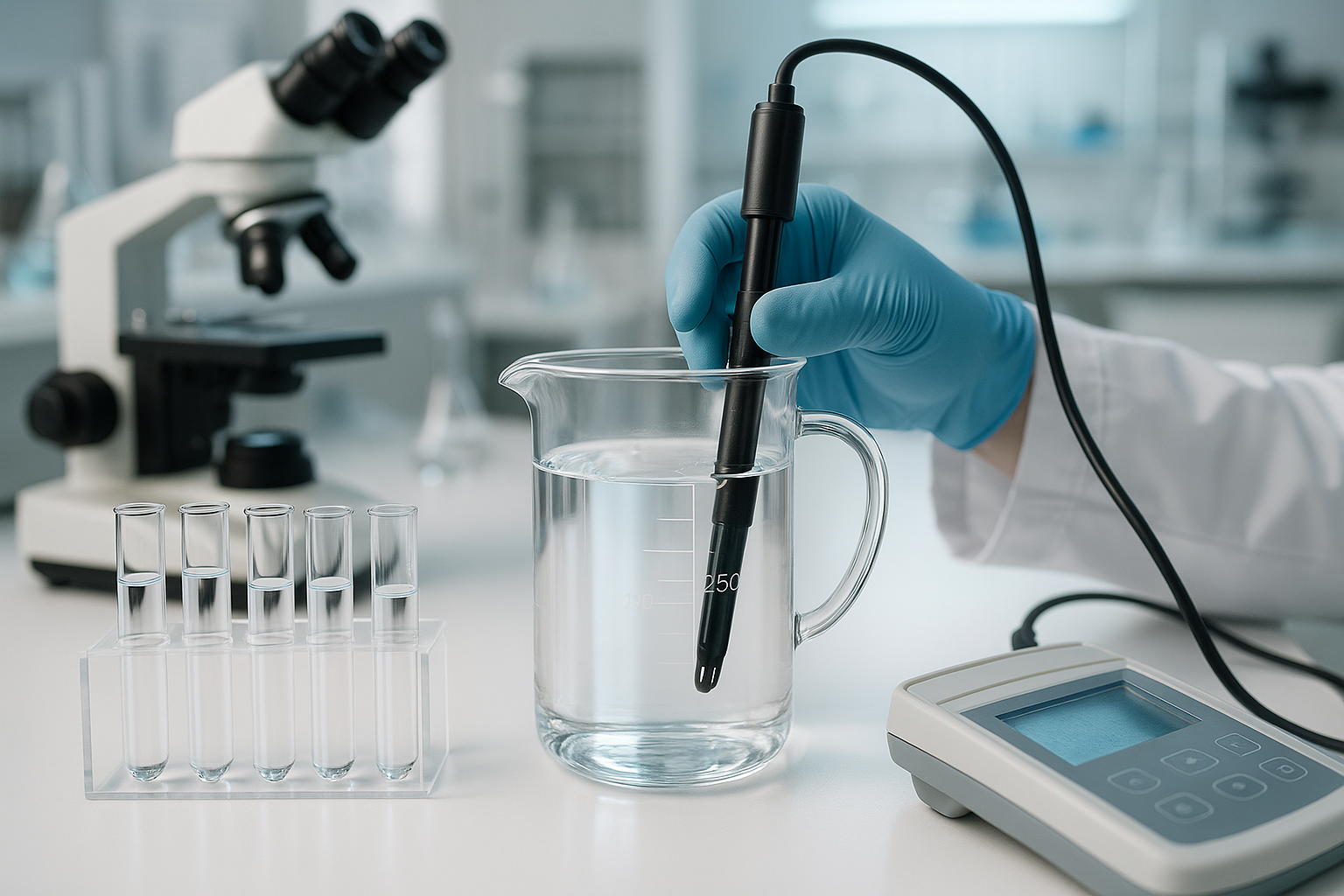
Our technicians carry field testing equipment for immediate on-site analysis and can collect samples for comprehensive laboratory testing. We diagnose the source of odors and recommend the most cost-effective treatment — whether that's a simple shock treatment, water heater adjustment, or whole-house disinfection system.
See our water testing and odor diagnosis services for more details.
Call now: (760) 440-8520
We use Hach and LaMotte professional water testing equipment for field analysis, with comprehensive lab testing through certified California laboratories.
Preventing Odors From Coming Back
Once you've resolved the immediate odor problem, these maintenance practices help prevent recurrence:
- Flush your water heater annually — drain sediment and check the anode rod
- Run all fixtures weekly — if you have guest bathrooms or rarely used sinks, run water through them at least once a week to prevent stagnation
- Test your well water annually for bacteria — catching contamination early prevents odor problems
- Inspect your well cap and seal annually — cracked or loose well caps allow insects, rodents, and surface water to enter the well
- Keep the area around your wellhead clear — maintain a 10-foot clear zone free of chemicals, fertilizers, and standing water
- If you have a water softener, maintain it according to the manufacturer's schedule — improperly maintained softeners can harbor bacteria
- Address plumbing leaks promptly — even small leaks create moisture that supports bacterial growth in walls and under cabinets
Frequently Asked Questions
Is it safe to drink water that smells after sitting?
While the odor is often from harmless bacteria, it's best to flush water that's been sitting overnight before drinking. The sulfur smell from hydrogen sulfide isn't typically dangerous at low concentrations, but it can indicate conditions where harmful bacteria may also be present. Have water tested if odors are persistent — a basic bacteria test costs $30-$75 and gives you peace of mind.
Why does only one faucet have smelly water?
If only one faucet is affected, the issue is almost always local. The most common cause is the drain below that faucet — biofilm in the drain releases odor when water flows. If the water itself smells (confirmed by the glass test), biofilm in the specific supply line feeding that faucet is likely the cause. This often happens in guest bathrooms or other low-use fixtures where water sits in the pipes for extended periods.
How often should I shock chlorinate my well?
Most wells don't need regular shock treatment unless there's an ongoing contamination source. A single shock treatment resolves the issue in about 80% of cases. If odors return repeatedly after shock treatment — say within 2-3 months — there's likely a well integrity issue (cracked casing, failed seal) that's allowing bacteria to re-enter, or you need a continuous disinfection system rather than periodic shocking.
Can I install a treatment system myself?
Simple point-of-use carbon filters and UV systems with DIY installation kits are homeowner-friendly. However, continuous chlorination systems, whole-house UV treatment, and ozone systems are best installed by professionals. Improper sizing can result in under-treatment (bacteria survive) or over-treatment (chlorine taste and potential pipe corrosion). A professional installation typically adds $200-$500 to the equipment cost but ensures the system works correctly from day one.
Will a carbon filter remove the smell?
Activated carbon filters are excellent at removing hydrogen sulfide and other odor-causing compounds from water. A whole-house carbon filter ($300-$800 installed) treats all the water entering your home. However, carbon doesn't kill bacteria — it only removes the smell. For the best results, combine carbon filtration with a disinfection method (chlorine injection or UV) upstream. The disinfection kills bacteria at the source, and the carbon removes any residual odor or taste.
Why does my water smell fine during the day but terrible in the morning?
During the day, you use water frequently — every time you flush a toilet, wash hands, or run the dishwasher, you're pulling fresh water through the system. Bacteria and their odorous byproducts get flushed out before they can accumulate. Overnight, water sits motionless in pipes for 6-10 hours. Bacteria multiply, hydrogen sulfide builds up, and by morning you're getting a concentrated dose of everything that accumulated while you slept.
Could the smell mean my well is contaminated?
Not necessarily, but it's worth investigating. Most morning-only odors are from plumbing biofilm or water heater issues, not well contamination. However, if the smell is present in cold water at all faucets — even after extended flushing — or if the smell appeared suddenly after heavy rain or nearby construction, well contamination is possible. A $30-$75 bacteria test will tell you definitively whether your well water is safe.
Does a water softener help with smelly water?
Water softeners don't directly address odor. However, by removing iron and manganese that feed iron bacteria, a softener can reduce conditions that contribute to smelly water over time. That said, improperly maintained softeners can actually make odor problems worse — the resin bed can become a breeding ground for bacteria if it's not regenerating properly or if the brine tank is contaminated.
Related Articles
Continue learning about well maintenance and troubleshooting