Well Winterization: Protect Your System from Freezing
📋 In This Guide
Quick Answer: Insulate exposed pipes and equipment, protect the wellhead, consider heat tape for extreme cold. Mountain and high-desert areas need winterization. Vacation homes should be drained. Submersible pumps are protected underground, but above-ground equipment needs attention.
Why Winterization Matters
Freeze Damage Is Expensive
- Burst pipes: $1,000-$5,000+ repairs
- Cracked pressure tank: $500-$1,500
- Damaged jet pump: $500-$1,500
- Water damage to home: potentially $10,000+
California Freeze Risk Areas
- Mountain communities (Julian, Idyllwild, Palomar)
- High desert (Anza, Borrego Springs area)
- Inland valleys (occasional hard freezes)
- Anywhere above 3,000 feet elevation
Temperature Thresholds
- 32°F (0°C): Water freezes—protection needed
- 20°F (-7°C): Extended exposure dangerous
- Below 20°F: Serious freeze risk even with some protection
Vulnerable Components
Above-Ground Pipes
- From well to house
- In unheated crawl spaces
- In garages or outbuildings
- Exposed along foundations
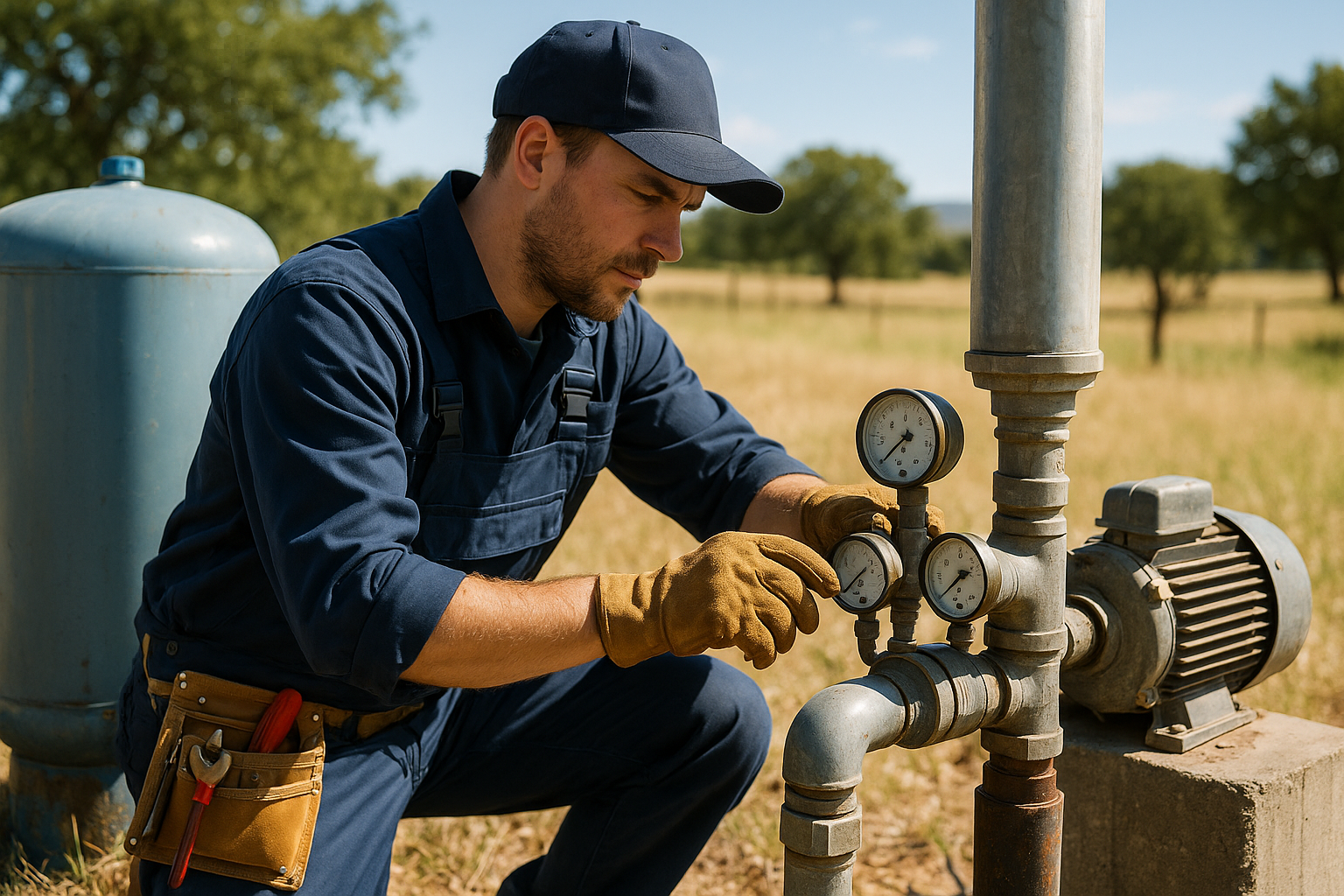
Pressure Tank
- If in unheated space
- Contains water that can freeze
- Metal tanks crack when ice expands
Jet Pumps (Above-Ground)
- Water in pump housing freezes
- Cracks cast iron or plastic
- More vulnerable than submersible
What's Safe
- Submersible pumps (deep in well, below frost)
- Pipes below frost line (2-4 feet in most areas)
- Equipment in heated spaces
Winterization Steps
1. Insulate Exposed Pipes
- Foam pipe insulation (easy, cheap)
- Fiberglass wrap (better protection)
- Heat tape (active protection for extreme cold)
- Don't forget fittings and valves
2. Protect Pressure Tank
- Insulation blanket wrap
- If in pump house, insulate structure
- Consider small heater for severe cold
3. Jet Pump Protection
- Insulate pump housing
- Heat lamp on thermostat
- Enclosed pump house with heat source
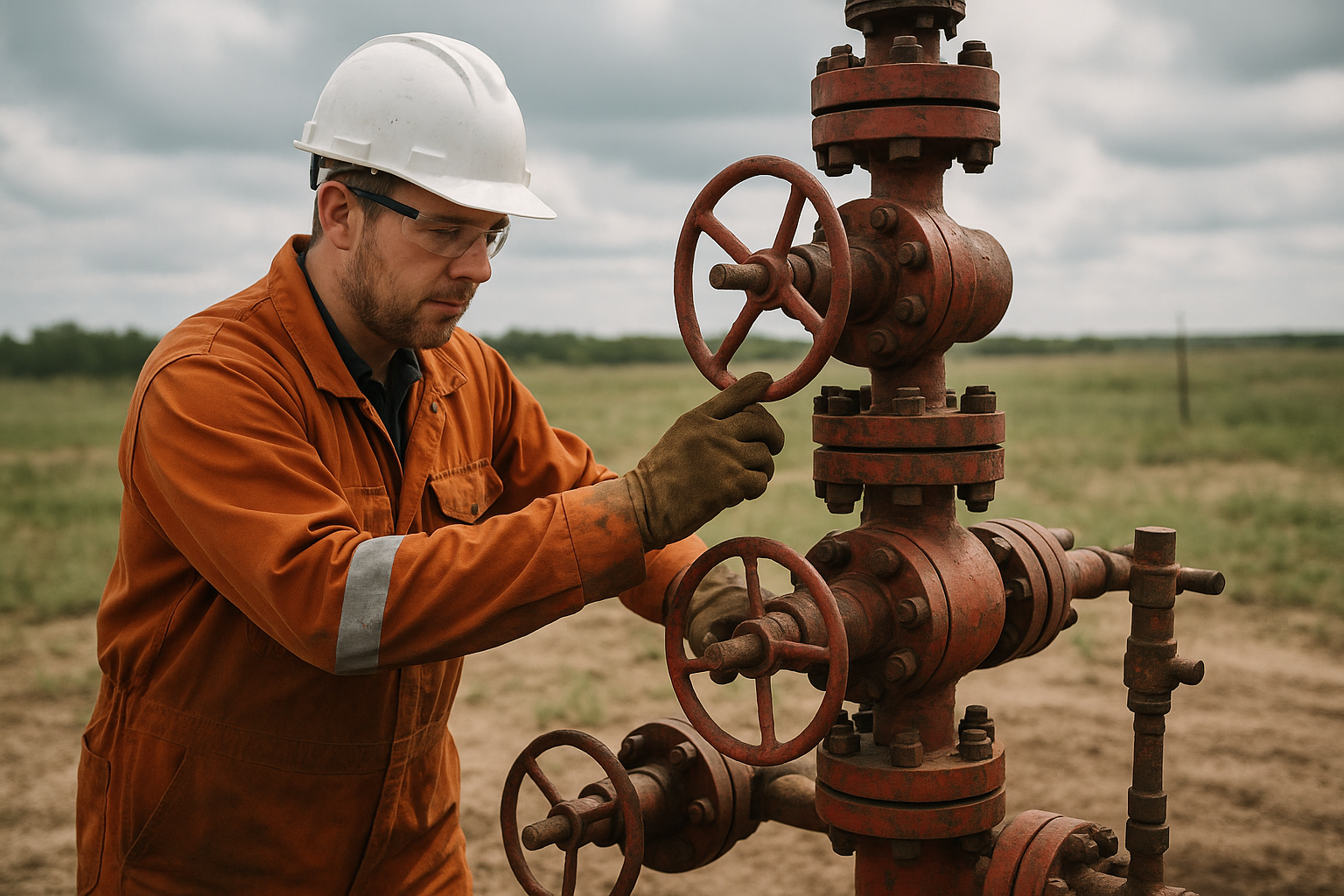
4. Wellhead Protection
- Insulated well cap covers (commercial or DIY)
- Straw bales around wellhead
- Purpose-built insulated enclosure
5. Heat Tape Installation
- Self-regulating heat tape is safest
- Wrap along pipe, not overlapping
- Cover with insulation over heat tape
- Connect to thermostat for efficiency
6. Protect Well Pit
- Ensure lid seals properly
- Add insulation under lid
- Check for water intrusion (ice forms)
- Consider light bulb or small heater
Cost Estimates
| Item | DIY Cost |
|---|---|
| Pipe insulation (20 ft) | $15-$30 |
| Heat tape (20 ft) | $30-$80 |
| Tank insulation blanket | $40-$80 |
| Well cap cover | $20-$50 |
| Thermostat for heater | $25-$50 |
Vacation Homes & Seasonal Properties
Option 1: Full Drain
- Turn off pump power
- Open all faucets (hot and cold)
- Drain pressure tank
- Drain water heater
- Flush toilets, add RV antifreeze to bowls/traps
- Pour antifreeze in all drain traps
- Leave faucets open
Option 2: Maintain Heat
- Keep thermostat at 55°F minimum
- Consider freeze alarm/sensor
- Have someone check regularly
- Higher utility bills but no drain needed
Option 3: Winterize Partially
- Drain outdoor/irrigation systems
- Keep indoor system active with heat
- Good middle ground
Before Leaving
- Insulate all vulnerable components
- Set up remote temperature monitoring
- Leave contact for neighbor/caretaker
- Know how to turn off water remotely if possible
Emergency Response
If Pipes Freeze (Not Burst)
- Keep faucets open
- Apply gentle heat (hair dryer, heat lamp)
- Work from faucet toward freeze
- Never use open flame
- Be patient—may take hours
If Pipes Burst
- Shut off pump immediately
- Turn off power to pump
- Close any accessible valves
- Call professional for repairs
Signs of Freeze Damage
- No water from faucets
- Reduced flow
- Frost on pipes
- Visible cracks or bulges
- Water where it shouldn't be
Frequently Asked Questions
Do I need to winterize my well in Southern California?
Mountain and high-desert areas: yes. Coastal and low-elevation inland: usually not, but occasional hard freezes can occur.
Will my submersible pump freeze?
No—submersible pumps are deep in the well, well below frost line. It's the above-ground equipment that needs protection.
How much does winterization cost?
DIY: $50-$200 for basic insulation. Professional winterization: $200-$500. Much cheaper than freeze damage repairs.
Can I use space heaters in my pump house?
Yes, but use caution. Thermostat-controlled is best. Keep away from combustibles. Ceramic heaters are safer than coil heaters.
What temperature should I protect against?
Start protection before temperatures drop below 32°F. Extended exposure below 28°F risks freeze even with some protection.
Need Winterization Help?
We prepare well systems for winter in mountain and high-desert areas.
Related Articles
Continue learning about well maintenance and troubleshooting