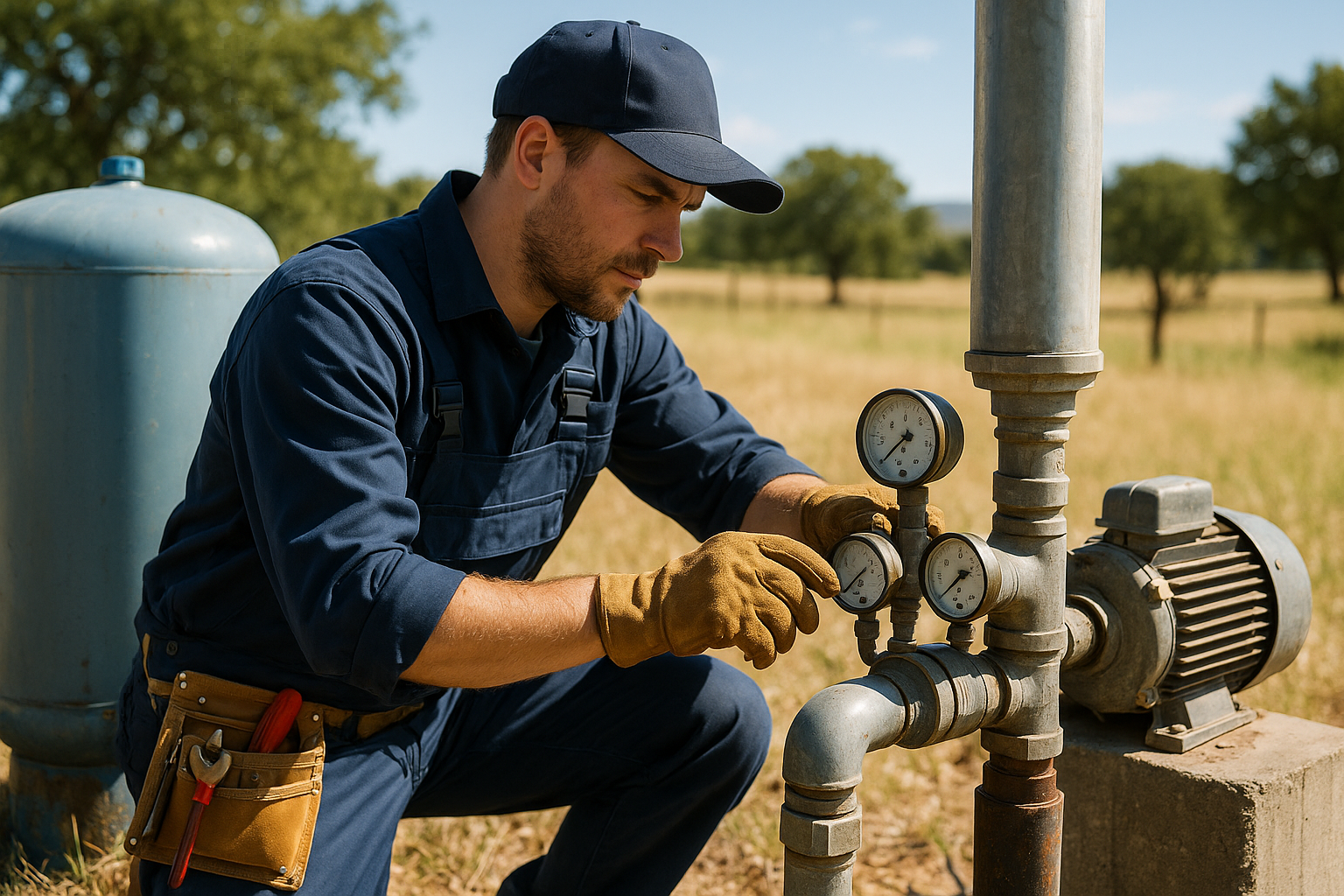
Why Is Well Water So Cold? Ground Temperature Science Explained
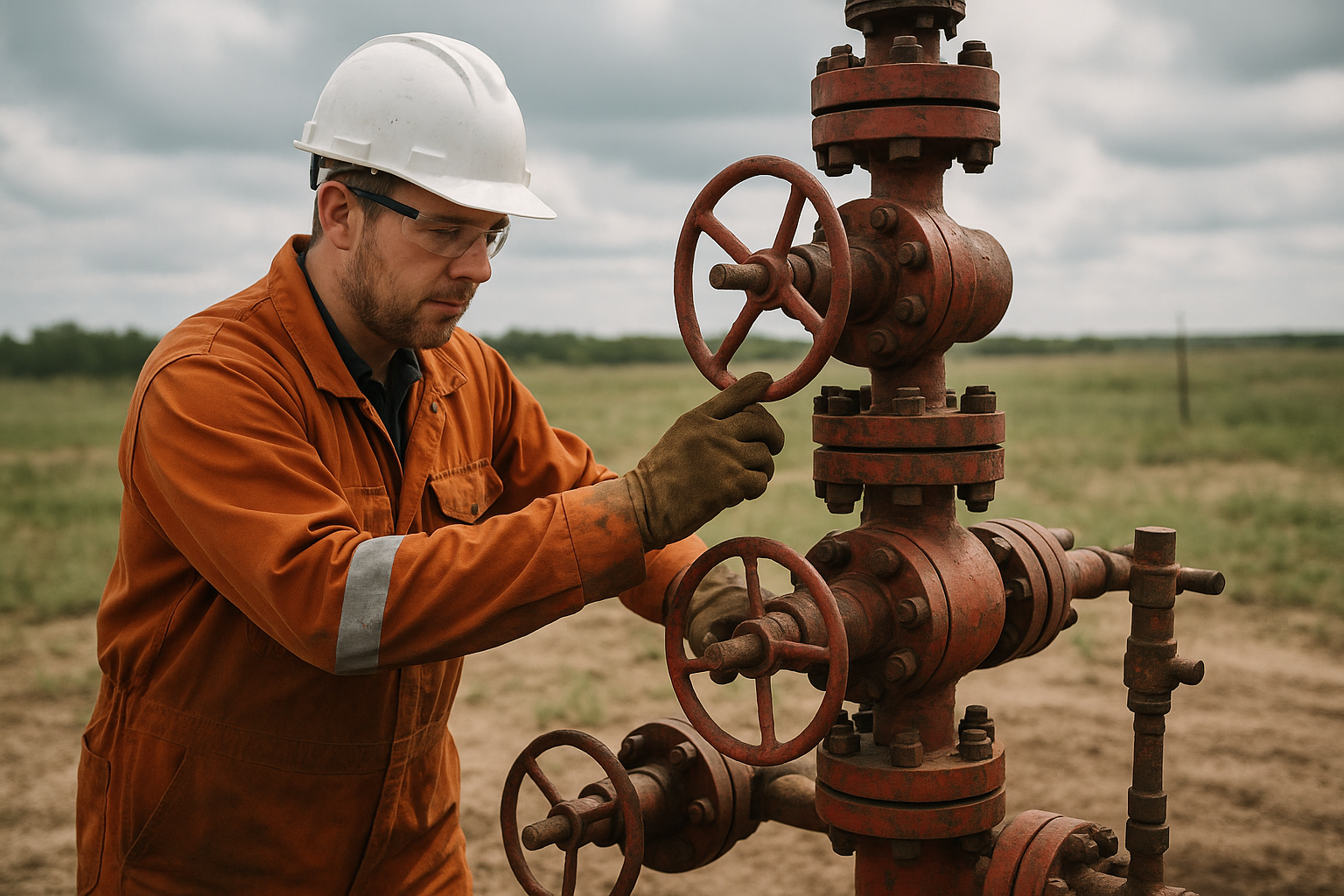
One of the simple pleasures of well ownership: turning on the tap on a hot summer day and getting refreshingly cold water. But why is well water so much colder than city water, and why does it stay the same temperature year-round? The answer lies underground, where conditions are remarkably stable compared to the surface.
📋 In This Guide
This guide explains the science behind well water temperature, what affects it, and what temperature changes might indicate about your well system.
The Science of Ground Temperature
The Constant Temperature Zone
Below about 30 feet (10 meters), ground temperature becomes remarkably stable. This is because:
- Soil and rock are excellent insulators
- Seasonal temperature changes take months to penetrate deeply
- By the time summer heat reaches deep soil, winter is arriving above
- The fluctuations cancel out, creating a stable zone
What Determines Ground Temperature?
The stable ground temperature roughly equals the average annual air temperature of your location:
| Region | Avg. Air Temp | Ground Temp (Below 30') |
|---|---|---|
| San Diego coastal | 62-64°F | ~62-65°F |
| Inland valleys (Ramona) | 58-62°F | ~58-62°F |
| Mountain areas (Julian) | 52-56°F | ~52-56°F |
| Desert (Borrego) | 68-72°F | ~68-72°F |
Geothermal Gradient
As you go deeper, temperature actually increases slightly due to Earth's internal heat:
- Approximately 1°F increase per 50-100 feet of depth
- A 500-foot well might be 5-10°F warmer than a 100-foot well
- This effect is usually minor for residential wells
Why City Water Feels Different
Municipal water often feels warmer or varies with seasons because:
- Surface storage: Reservoirs exposed to sun and air temperature
- Treatment plants: Water sits in above-ground facilities
- Distribution system: Pipes run near surface, absorb heat
- Water towers: Exposed to ambient temperature
Well water bypasses all of this—it comes directly from the constant-temperature zone underground.
Factors Affecting Your Well Water Temperature
Well Depth
- Shallow wells (<50 feet) may have slight seasonal variation
- Deep wells (200+ feet) are extremely stable
- Very deep wells may be slightly warmer (geothermal gradient)
Pump Location
Where your pump sits affects temperature:
- Submersible pump deep in well: Water stays cold
- Jet pump at surface: Water in pressure tank warms slightly
- Long runs of above-ground pipe: Water warms in summer
Pressure Tank
Water sitting in a pressure tank in your garage or utility room will gradually reach ambient temperature. If you haven't run water in a while, the first water may be warmer than fresh well water.
Piping
- Insulated buried pipes maintain temperature
- Exposed pipes in hot areas warm the water
- Long horizontal runs near surface may warm
Temperature as a Diagnostic Tool
Sudden Temperature Changes
If your well water temperature changes suddenly, it may indicate:
Water becoming warmer:
- Pump motor overheating (transfers heat to water)
- Surface water infiltration entering well
- Shallow water mixing with deeper water
- Pressure tank in hot location
Water becoming colder:
- Drawing from deeper aquifer zone
- Change in water table affecting source
- Seasonal recharge from mountain snowmelt
Seasonal Variation
True well water should have minimal seasonal variation:
- ±2-3°F is normal
- Larger swings suggest shallow water or surface influence
- May indicate need for well inspection
Practical Implications
Benefits of Cold Well Water
- Refreshing: Natural refrigeration on hot days
- Slower bacterial growth: Cold temperatures inhibit bacteria
- Efficient cooling: Great for gardens, livestock
- Energy savings: Less refrigeration needed
Considerations
- Pipes can sweat: Cold pipes in humid areas condense moisture
- Takes longer to warm: More energy to heat for showers
- Irrigation timing: Very cold water can stress some plants
Geothermal Systems
The stable ground temperature that keeps well water cold is the same principle used in geothermal heat pumps:
- In winter: Ground is warmer than air—extract heat
- In summer: Ground is cooler than air—dump heat
- Well water can be part of geothermal systems
Frequently Asked Questions
What temperature is well water?
Well water temperature typically matches the annual average air temperature of your region, usually 50-60°F in most of Southern California. Inland and mountain areas are on the cooler end, desert areas warmer. It stays remarkably consistent year-round because ground temperature below about 30 feet is stable regardless of surface weather. Deeper wells may be slightly warmer due to the geothermal gradient.
Why doesn't well water get warm in summer?
Below about 30 feet, ground temperature is completely insulated from surface temperature changes. The earth acts as a massive thermal buffer—it takes months for temperature changes to penetrate deeply. Water in your aquifer may have been there for months or years, reaching thermal equilibrium with the surrounding rock at a constant 55-65°F regardless of whether it's 100°F or 40°F at the surface.
What if my well water temperature changed suddenly?
Sudden temperature changes can indicate several issues: pump problems (motor overheating and warming the water), surface water infiltration (water varies with seasons), or changes in the water source. If your well water becomes noticeably warmer without explanation, have it inspected—it could indicate contamination pathways or mechanical problems.
Is cold well water safe to drink?
Temperature alone doesn't indicate safety. Cold well water is refreshing and pleasant to drink, but bacterial contamination, chemical contaminants, and minerals aren't affected by temperature. Annual water testing is recommended regardless of how good the water tastes or how cold it is. Cold water does slow bacterial growth, but won't eliminate existing contamination.
Why is my neighbor's well water a different temperature?
Wells at different depths draw from different zones. A shallow well might be 52°F while a deep well is 58°F. Pump type, pressure tank location, and piping also affect what temperature reaches your tap. Additionally, your aquifer may be at a different depth or have different characteristics than your neighbor's.
Does well water ever freeze?
Water in the well itself rarely freezes because it's below the frost line where temperature is stable. However, exposed pipes, pressure tanks, and above-ground components can freeze in cold weather. Proper insulation and freeze protection are important in mountain areas, even though the water source stays above freezing.
Questions About Your Well?
Southern California Well Service provides inspection, testing, and maintenance services. If your well water temperature has changed or you have other concerns, we can help diagnose the cause.
Call (760) 440-8520Licensed C-57 Contractor. CSLB License #1086994.| San Diego, Riverside & San Bernardino Counties
Related Articles
Continue learning about well maintenance and troubleshooting