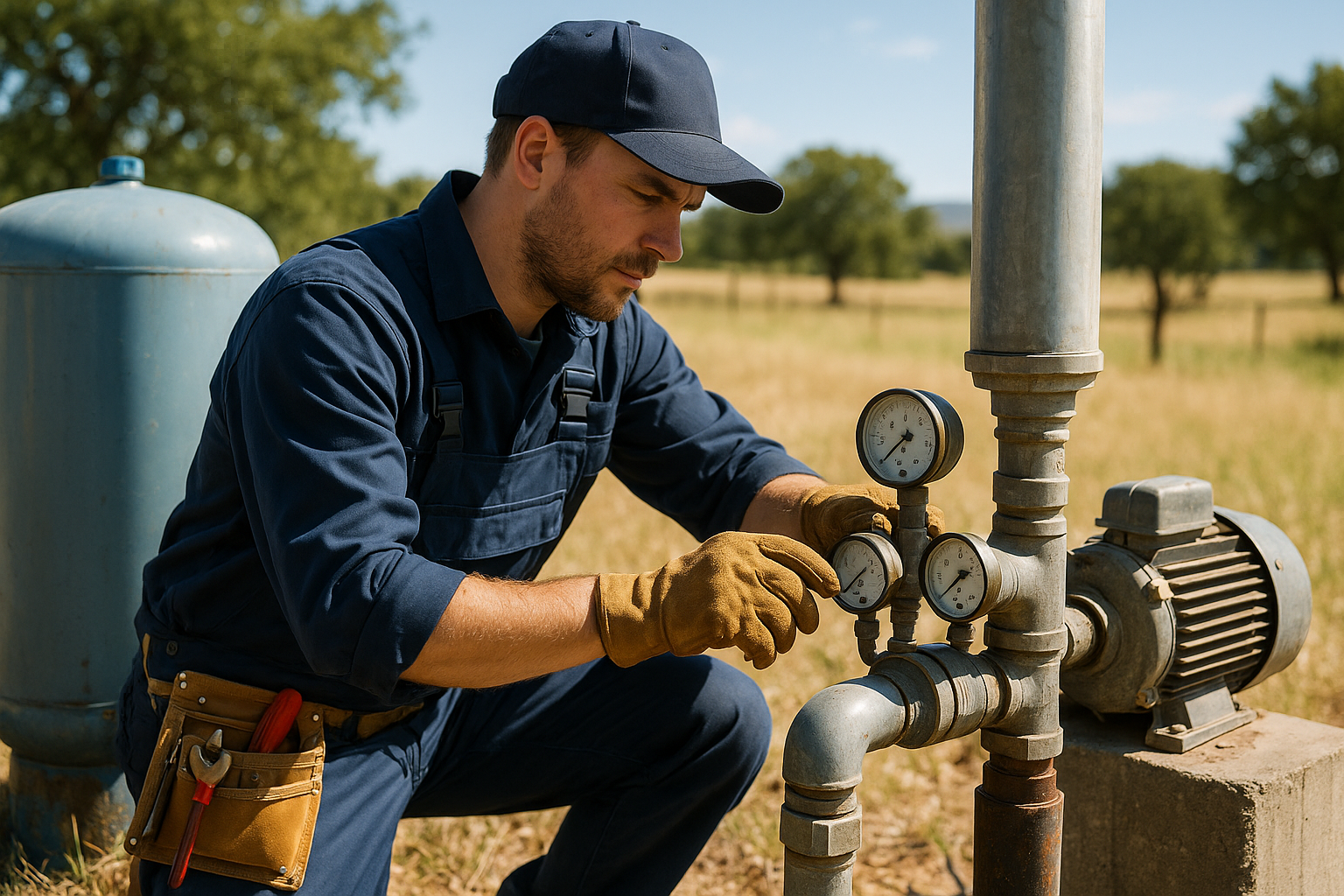
Coastal Area Wells: Oceanside to Encinitas Guide
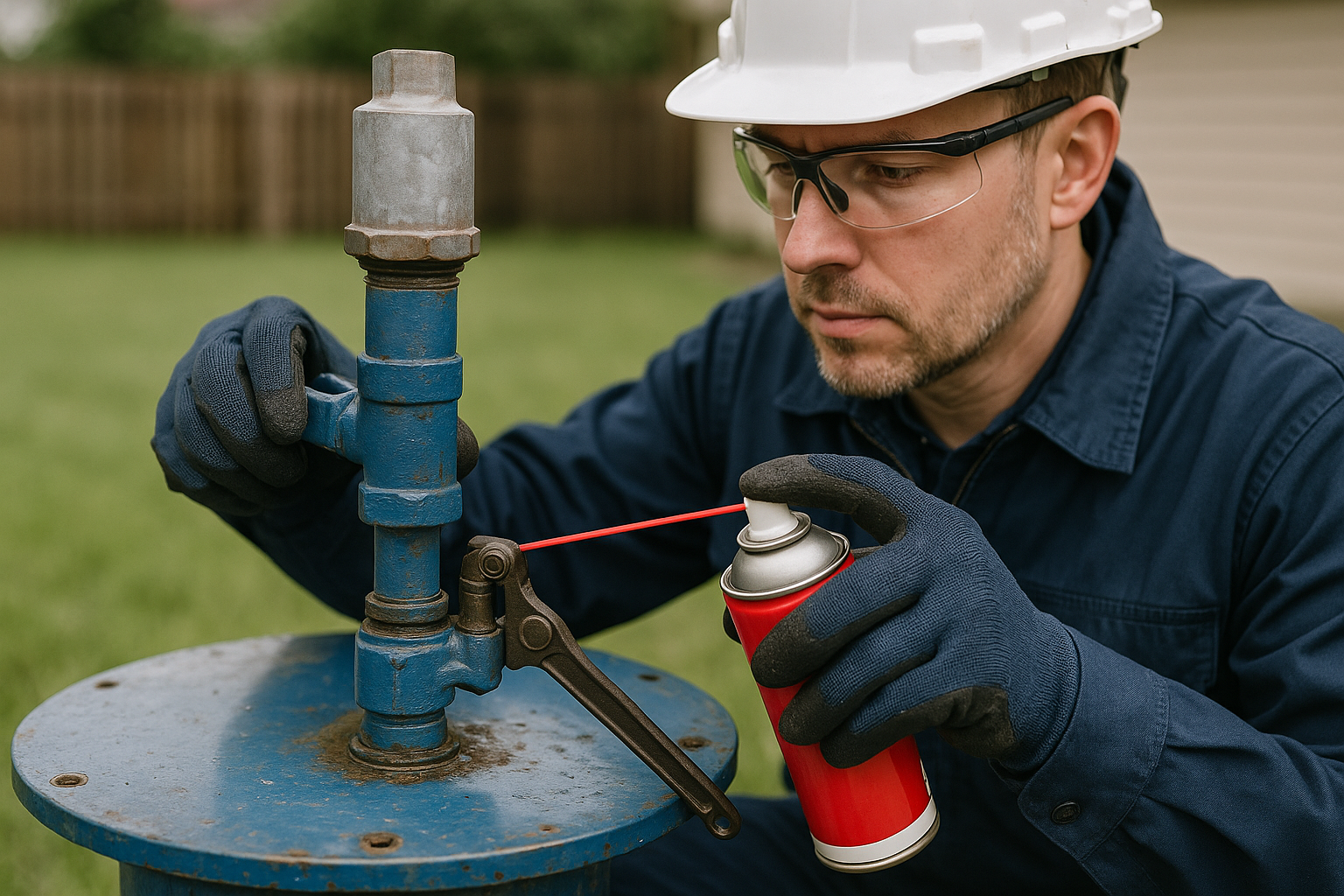
Private wells near the San Diego coast face unique challenges that inland wells don't experience. Saltwater intrusion, corrosion from salt air, and complex coastal aquifer geology require special knowledge and careful management. If you have a well in Oceanside, Carlsbad, Encinitas, or other coastal communities, this guide will help you protect your water supply.
📋 In This Guide
Understanding Coastal Aquifer Dynamics
The Freshwater/Saltwater Interface
Under normal conditions, freshwater and saltwater exist in a delicate balance beneath coastal areas:
- Fresh water is lighter — It naturally floats above denser salt water
- The interface — A transition zone exists where fresh and salt water meet
- Natural equilibrium — Rainfall recharge keeps fresh water pushing seawater back
- The Ghyben-Herzberg principle — For every foot of fresh water above sea level, about 40 feet of fresh water exists below sea level
What Disrupts the Balance
- Over-pumping — Removing too much fresh water allows salt water to advance
- Drought — Less rainfall means less recharge
- Increased development — More wells drawing from the same aquifer
- Sea level rise — Gradually shifting the interface inland
- Land subsidence — Lowering ground level relative to sea level
Saltwater Intrusion
How It Happens
- Pumping lowers the freshwater table
- Salt water is drawn upward (upconing) and inland
- The interface moves toward the well
- Salt concentration increases gradually, then rapidly
- Once severe, contamination may be permanent
Early Warning Signs
- Slight salty taste — Often noticed first in coffee or tea
- Increasing chloride levels — Even small increases are significant
- Rising TDS — Total dissolved solids trending upward
- Accelerated corrosion — Pipes and fixtures corroding faster
- Residue on fixtures — White or gray deposits
- Plant stress — Landscape plants showing salt damage
Water Testing Thresholds
| Parameter | Fresh Water | Warning Level | Significant Intrusion |
|---|---|---|---|
| Chloride (mg/L) | <100 | 100-250 | >250 |
| TDS (mg/L) | <500 | 500-1,000 | >1,000 |
| Sodium (mg/L) | <50 | 50-150 | >150 |
| Specific Conductance (µS/cm) | <800 | 800-2,000 | >2,000 |
Managing Saltwater Intrusion
If Intrusion Is Detected Early
- Reduce pumping — Use less water, especially during drought
- Pump at lower rates — Slower extraction reduces upconing
- Seasonal management — Pump less during dry months
- Supplement with municipal water — For drinking and cooking
- Monitor closely — Test quarterly to track trends
If Intrusion Is Significant
- Abandon the well for drinking — Use municipal water
- Use for irrigation only — If salt levels are tolerable for plants
- Install RO treatment — Removes salt but is expensive and wasteful
- Drill a new well — Deeper or further inland
- Consult a hydrogeologist — To understand your specific aquifer
Corrosion in Coastal Environments
Salt Air Corrosion
Even if your water is fresh, salt air corrodes equipment:
- Control boxes — Electronics fail prematurely
- Steel components — Rust faster than inland
- Electrical connections — Corrode and fail
- Pressure tanks — Exterior rust leads to failure
- Brass fittings — Dezincification (brass turns pink)
Saltwater Corrosion (From the Water)
If salt is in your water, corrosion attacks from the inside:
- Copper pipes — Blue-green staining, pinhole leaks
- Galvanized pipes — Accelerated rust
- Water heaters — Anode rod depletes quickly
- Pump components — Impellers and motors fail early
- Fixtures — Faucets, valves corrode
Corrosion Prevention
- Stainless steel equipment — Use 316 SS for marine environments
- Protective enclosures — Weather-tight boxes for electronics
- Regular inspection — Catch corrosion early
- Corrosion inhibitor — Treatment systems available
- Sacrificial anodes — In water heaters and storage tanks
- Epoxy-coated components — Extra protection layer
Coastal Communities Well Considerations
Oceanside
- San Luis Rey River groundwater basin serves many wells
- Eastern areas generally safer from intrusion
- Mission San Luis Rey area has historical intrusion issues
- Camp Pendleton border restricts some drilling
Carlsbad
- Coastal bluffs create varied aquifer conditions
- Batiquitos Lagoon area is high risk
- Eastern Carlsbad (La Costa, inland) has less intrusion risk
- Many agricultural wells converted to irrigation-only
Encinitas
- Leucadia, Cardiff, and Old Encinitas face higher intrusion risk
- Olivenhain and eastern areas are more protected
- San Elijo Lagoon affects nearby groundwater
- Flower farming historically used significant groundwater
Del Mar/Solana Beach
- Narrow coastal strip has limited fresh groundwater
- Most properties connect to municipal water
- Wells used primarily for irrigation
- San Dieguito River affects groundwater quality
Best Practices for Coastal Wells
Well Construction
- Proper casing depth — Seal off shallow saline zones
- Grout/seal integrity — Prevent surface salt intrusion
- Appropriate screen placement — Target best aquifer zone
- Corrosion-resistant materials — PVC casing, stainless screens
Pumping Management
- Don't over-pump — Stay within sustainable yield
- Variable speed pumps — Reduce stress on aquifer
- Pump at consistent rates — Avoid heavy intermittent pumping
- Rotate wells — If you have multiple wells
Monitoring
- Annual water testing — Minimum for coastal wells
- Include chloride and TDS — Key intrusion indicators
- Track trends — Keep records year over year
- Water level monitoring — Track static water level changes
Treatment Options for Salty Water
Reverse Osmosis (RO)
- Effectiveness: 95-99% salt removal
- Cost: $300-$500 for point-of-use, $2,000-$5,000 whole-house
- Drawback: Wastes 2-4 gallons for every gallon produced
- Best for: Drinking water only (point-of-use)
Distillation
- Effectiveness: 99%+ salt removal
- Cost: $500-$2,000 for countertop units
- Drawback: Slow production, high energy use
- Best for: Small quantities of drinking water
Electrodialysis
- Effectiveness: 50-90% salt removal
- Cost: Commercial systems typically $10,000+
- Drawback: Complex, requires expertise
- Best for: Agricultural/commercial use
Blending
- Method: Mix salty well water with fresh municipal water
- Cost: Just the cost of municipal water
- Effectiveness: Dilutes salt to acceptable levels
- Best for: Irrigation when intrusion is mild
When to Abandon a Coastal Well
Sometimes the best decision is to stop using a saltwater-contaminated well:
Consider Abandonment If:
- Chloride consistently exceeds 500 mg/L
- Treatment costs exceed municipal water costs
- Plants are showing salt damage even with irrigation
- Pumping restrictions make the well impractical
- The aquifer shows no sign of recovery
Proper Well Abandonment
- Required by San Diego County regulations
- Must be done by licensed contractor
- Prevents aquifer contamination from surface
- Typically costs $1,000-$3,000
- Requires county permit and inspection
Frequently Asked Questions
Can I have a well near the ocean?
Yes, coastal wells exist throughout San Diego County, but they face unique challenges. The closer to the ocean, the higher the risk of saltwater intrusion. Wells more than a mile inland and properly constructed usually produce fresh water, but water quality monitoring is essential. Many coastal properties use wells for irrigation while connecting to municipal water for drinking. A hydrogeologist can evaluate your specific site before drilling.
What is saltwater intrusion?
Saltwater intrusion occurs when seawater migrates into freshwater aquifers. Fresh water is naturally lighter than salt water and floats above it underground. When too much fresh water is pumped out, the balance shifts and salt water moves inland and upward to fill the void. This happens gradually at first, then can accelerate quickly. Once an aquifer is contaminated, the salt is extremely difficult to remove—it may take decades for the aquifer to recover naturally.
How do I know if my well has saltwater intrusion?
Early signs include a slightly salty taste (often noticed first in coffee), increasing chloride levels on water tests (above 100 mg/L warrants attention, above 250 mg/L is significant), increasing total dissolved solids (TDS), accelerated corrosion of pipes and fixtures, and plants showing stress or salt burn. Annual water testing for chloride and TDS is essential for coastal wells to catch intrusion early, before it becomes severe and potentially permanent.
Can saltwater intrusion be fixed?
Mild cases can sometimes be managed by reducing pumping rates and allowing the aquifer to recover. This requires patience—it may take years for the freshwater/saltwater interface to rebalance. Severe cases may require drilling a deeper well, relocating the well further inland, or installing expensive reverse osmosis treatment. Once salt contamination is severe, the aquifer may take decades to recover naturally, even if pumping stops entirely. Prevention through monitoring and water conservation is far more effective than trying to fix the problem later.
Is my coastal well water safe for irrigation?
It depends on the salt level and what you're irrigating. Most plants tolerate chloride up to about 200-300 mg/L, though sensitive plants may show damage at lower levels. Salt-tolerant plants like many California natives can handle higher levels. If chloride exceeds 500 mg/L, most ornamental landscaping will suffer. Have your water tested and consult with a landscape professional about plant selection. You may need to supplement with municipal water for sensitive plantings.
Our Coastal Well Services
Southern California Well Service has decades of experience with coastal wells:
- Saltwater intrusion testing — Comprehensive water quality analysis
- Coastal well inspection — Equipment assessment for corrosion
- Pump system upgrades — Corrosion-resistant equipment
- Treatment system installation — RO and other salt removal
- Monitoring programs — Track water quality trends
- Well rehabilitation — If the aquifer is recovering
- Well abandonment — Proper closure when needed
Coastal Well Expertise
Protect your coastal well with proper monitoring and management.
Call (760) 440-8520Saltwater intrusion testing | Corrosion solutions | Oceanside to Encinitas
Related: Water Testing | Water Quality Issues | Well Drilling
Related Articles
Continue learning about well maintenance and troubleshooting