
Hard Water Problems from Wells: Solutions | SCWS
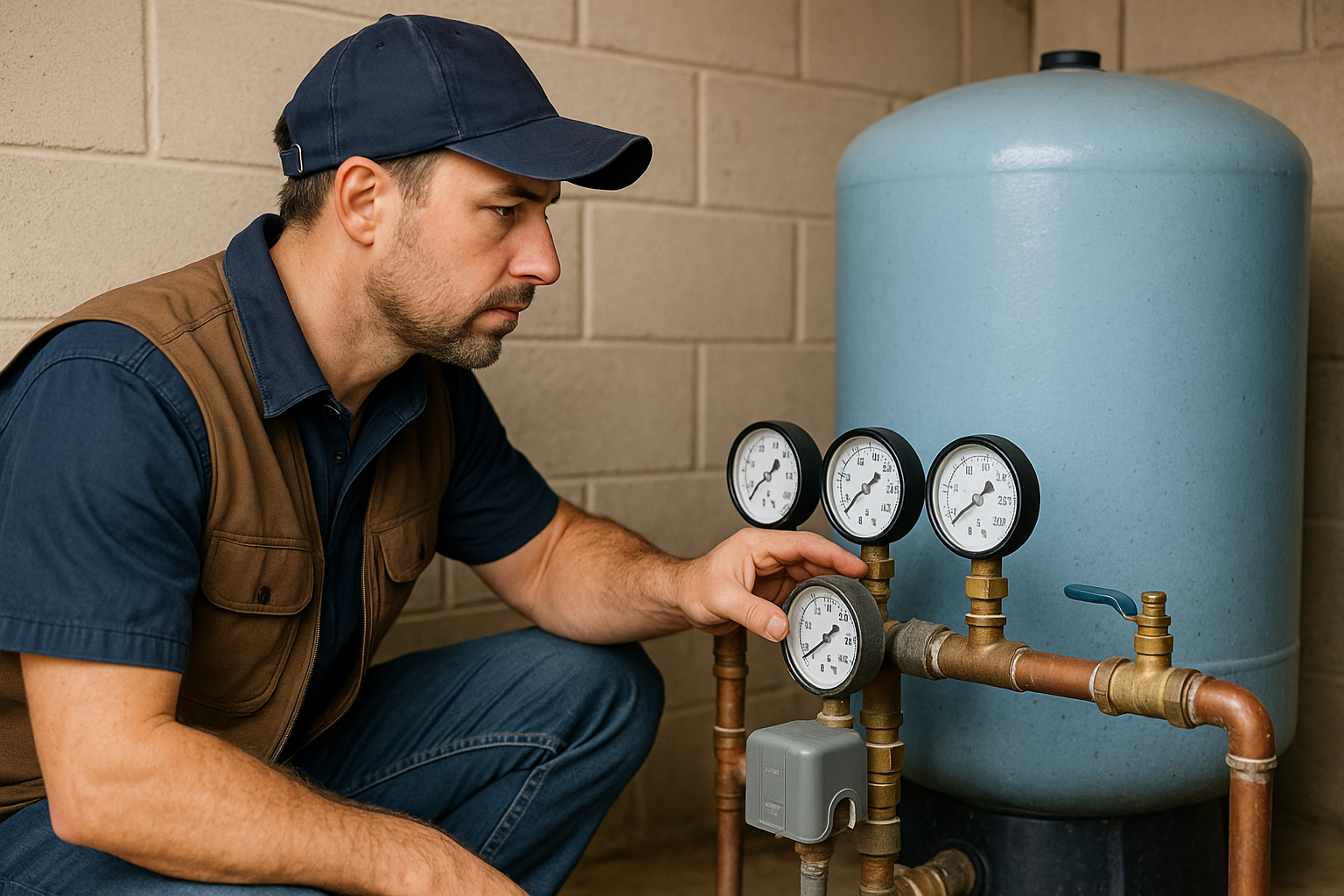
Hard well water causes scale buildup, appliance damage, and dry skin. Learn how to test water hardness and choose the right water softener system for your home.
📋 In This Guide
See our water hardness testing.
(760) 440-8520What Makes Well Water Hard?
Hard water contains high concentrations of dissolved calcium and magnesium, picked up as groundwater moves through limestone, chalk, dolomite, and other mineral-rich rock formations. In Southern California, many areas have naturally hard to very hard water due to the local geology.
The hardness level depends on:
- Geological formations: Limestone and chalk aquifers produce the hardest water
- Well depth: Deeper wells often encounter more dissolved minerals
- Contact time: Water that sits in contact with rock longer absorbs more minerals
- Seasonal variation: Hardness may fluctuate with water table levels
Water Hardness Scale
| Classification | Grains per Gallon (gpg) | mg/L (ppm) | What You'll Notice |
|---|---|---|---|
| Soft | 0-1 | 0-17 | No scale, soap lathers easily |
| Slightly Hard | 1-3.5 | 17-60 | Minor soap scum, minimal scale |
| Moderately Hard | 3.5-7 | 60-120 | Noticeable soap scum, spots on dishes |
| Hard | 7-10.5 | 120-180 | Significant scale buildup, soap issues |
| Very Hard | 10.5+ | 180+ | Rapid scale, appliance damage |
Most San Diego County well water ranges from 10-25 gpg (hard to very hard).
Problems Caused by Hard Water
Plumbing Damage
- Scale buildup in pipes: Gradually restricts flow and reduces water pressure
- Clogged fixtures: Showerheads, faucet aerators, and valves become restricted
- Pipe corrosion: Scale can trap corrosive elements against pipe walls
Appliance Damage
- Water heaters: Scale on heating elements reduces efficiency by 25-40% and shortens lifespan by 2-4 years
- Dishwashers: Scale damages spray arms, heating elements, and seals
- Washing machines: Reduced cleaning efficiency, mineral deposits on clothes
- Ice makers: Cloudy ice, restricted water lines, early failure
- Coffee makers: Scale buildup, bitter taste, clogged lines
Personal Care Issues
- Dry skin and hair: Hard water leaves mineral residue that strips natural oils
- Soap doesn't lather: Need 50% more soap, shampoo, and detergent
- Skin irritation: Residue can aggravate eczema and sensitive skin
- Dull, stiff hair: Mineral buildup weighs down and damages hair
Household Cleaning Problems
- White crusty deposits on faucets and showerheads
- Spots and film on dishes and glassware
- Dingy laundry that feels stiff
- Soap scum in tubs and showers
- Reduced effectiveness of cleaning products
The Real Cost of Untreated Hard Water
Hard water costs the average household $800-$1,200 per year in:
- Extra soap, detergent, and cleaning products (+50%)
- Increased water heater energy costs (+25-40%)
- Premature appliance replacement
- Plumbing repairs and replacements
- Additional personal care products
A water softener typically pays for itself in 2-3 years through these savings.
Testing Your Water Hardness
You have several testing options:
DIY Test Strips ($10-$20)
- Quick results in seconds
- Accuracy: ±3 gpg
- Good for general assessment
DIY Titration Kit ($20-$40)
- More accurate than strips
- Measures exact gpg
- Requires following instructions carefully
Professional Lab Test ($30-$100)
- Most accurate results
- Tests additional parameters (iron, pH, TDS)
- Recommended before purchasing treatment equipment
Important: If your water has iron, test for iron content as well. Iron affects softener sizing and may require additional treatment.
Water Softener Options
Salt-Based Ion Exchange Softeners
The most effective solution for hard water. Exchanges calcium and magnesium ions for sodium ions.
- Effectiveness: Removes 100% of hardness
- Best for: Very hard water (10+ gpg)
- Maintenance: Add salt every 6-8 weeks
- Cost: $800-$2,500 installed
- Pros: Most effective, proven technology
- Cons: Adds sodium, requires salt, wastewater from regeneration
Salt-Free Water Conditioners
Don't remove hardness but change mineral structure to prevent scale adhesion.
- Effectiveness: Doesn't soften water, reduces scale only
- Best for: Moderately hard water, scale prevention only
- Maintenance: Minimal—replace media every 3-5 years
- Cost: $1,000-$3,000 installed
- Pros: No salt, no wastewater, no sodium added
- Cons: Won't improve soap lathering or skin/hair issues
Dual-Tank Softeners
Two resin tanks provide continuous soft water even during regeneration.
- Best for: High-demand households, 24/7 soft water needs
- Cost: $1,500-$4,000 installed
- Pros: Never without soft water, higher capacity
- Cons: Higher initial cost, more space required
Sizing Your Water Softener
Calculate your daily softening requirement:
- Estimate daily water use: 75 gallons per person × number of people
- Multiply by hardness: Daily gallons × gpg = grains per day
- Calculate weekly capacity: Grains per day × 7 = weekly requirement
- Add 20% buffer for peak usage
Example: 4 people × 75 gallons × 15 gpg × 7 days × 1.2 = 37,800 grains/week → Choose a 40,000+ grain softener
If Your Water Has Iron
- Under 0.3 ppm: Standard softener is fine
- 0.3-3 ppm: Choose softener rated for iron removal
- Over 3 ppm: Install separate iron filter before softener
Frequently Asked Questions
How hard is too hard for well water?
Water over 7 grains per gallon (gpg) or 120 mg/L is considered hard and will cause noticeable problems. Very hard water (over 10.5 gpg) accelerates scale buildup significantly and warrants treatment. Most San Diego County wells produce 10-25 gpg, which is definitely worth treating.
Do water softeners remove other contaminants?
Standard water softeners only remove hardness minerals (calcium and magnesium) through ion exchange. They don't remove bacteria, nitrates, or other contaminants. Some softeners can remove ferrous (clear water) iron up to 3 ppm, but high iron levels need separate treatment.
How often should I add salt to my water softener?
Most households need to add salt every 6-8 weeks, but this varies based on water hardness, usage, and softener size. Check your brine tank monthly and keep salt level at least one-quarter full for optimal performance. Very hard water (15+ gpg) may require more frequent refills.
Is soft water safe to drink?
Soft water is safe for most people. A 32,000-grain softener treating 15 gpg water adds about 28 mg of sodium per 8 oz glass—less than a slice of bread. However, people on strict low-sodium diets should consider a reverse osmosis system for drinking water or use potassium chloride instead of sodium chloride.
Why does soft water feel slippery?
Hard water leaves mineral residue on skin that creates a "squeaky clean" feeling. Soft water allows soap to rinse completely, letting your skin's natural oils remain—this feels slippery but is actually healthier for your skin. You'll also use less soap.
How long do water softeners last?
A quality water softener lasts 15-20 years with proper maintenance. The resin may need replacement at 10-15 years. Factors affecting lifespan include water quality, iron content, chlorine exposure, and maintenance frequency.
Can I install a water softener myself?
Homeowners with plumbing experience can install a water softener, but professional installation is recommended to ensure proper sizing, correct placement, and compliance with local codes. DIY installation may void manufacturer warranties.
Related Articles
Continue learning about well maintenance and troubleshooting

Get Expert Help
Contact Southern California Well Service for professional assistance.
Call (760) 440-8520Serving San Diego, Riverside & San Bernardino Counties