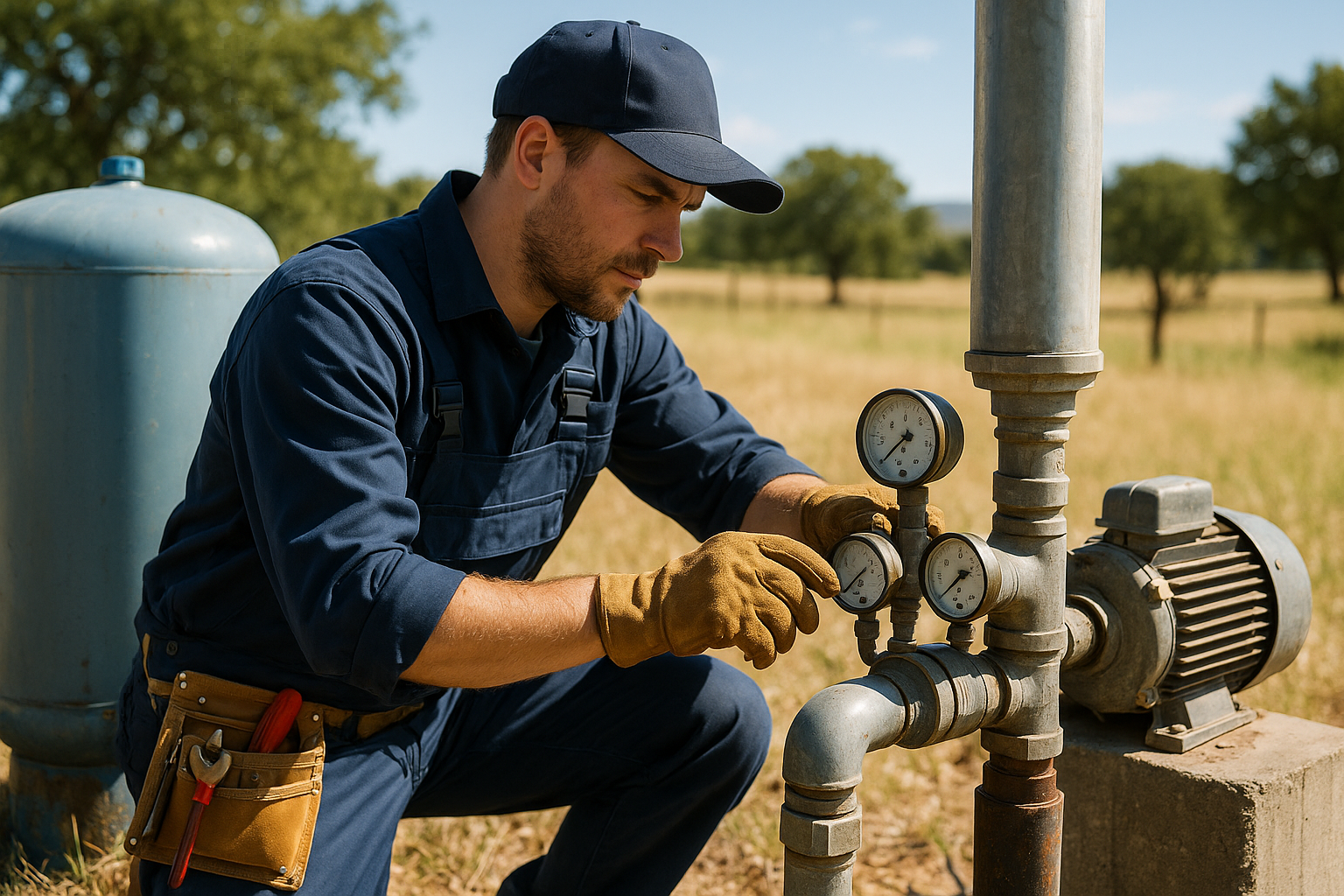
Monsoon Season Well Protection: Keeping Your Desert Well Safe
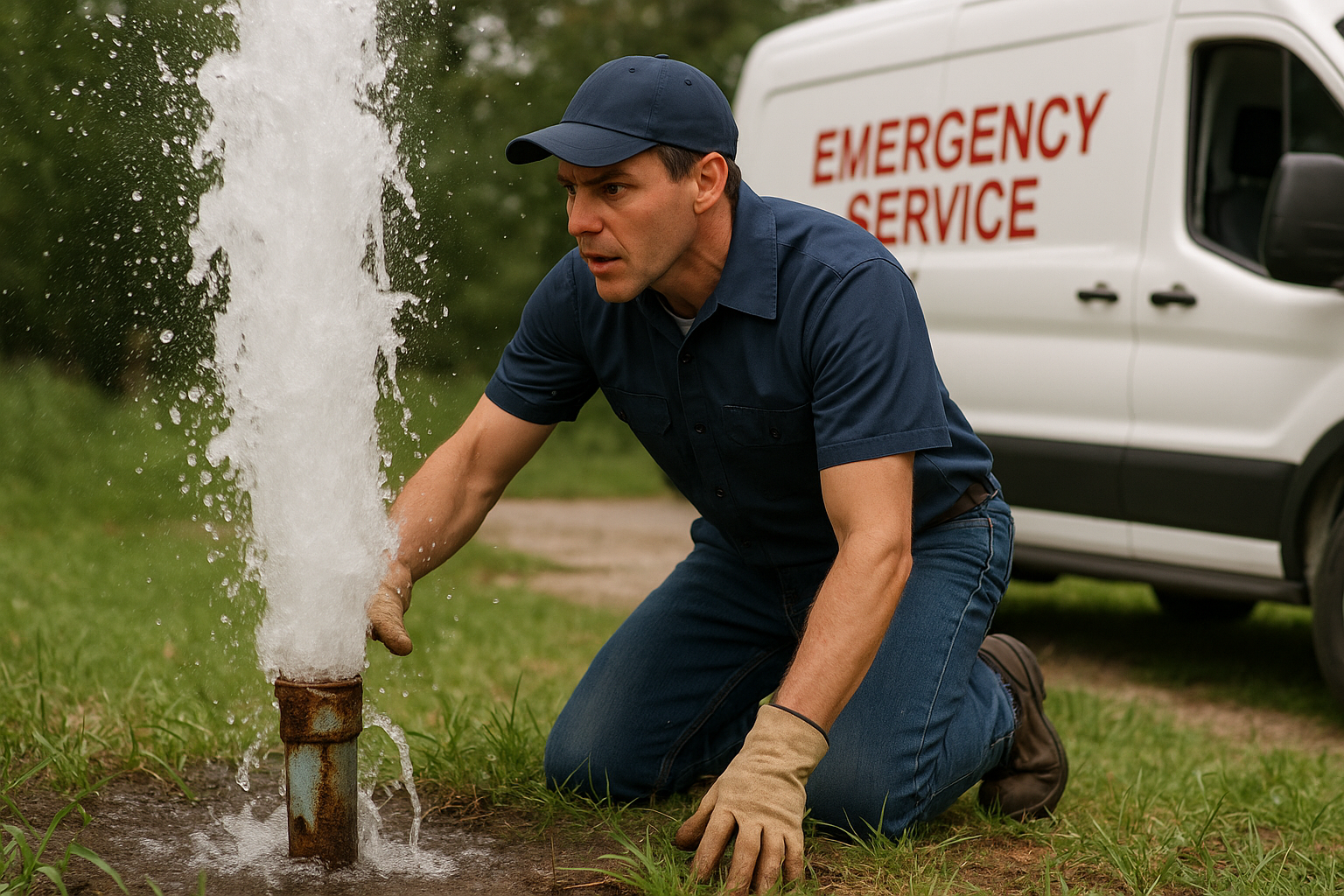
⛈️ Monsoon Season Alert
📋 In This Guide
Desert monsoons can dump a year's worth of rain in hours. Flash floods appear with no warning, turning dry washes into raging rivers that can damage or contaminate your well. Prevention and preparation are your only defenses.
Southern California's monsoon season brings dramatic weather changes to desert communities. While much of the region sees little rain year-round, summer monsoons can unleash intense thunderstorms and flash floods that threaten well systems. This guide helps well owners in Imperial County, Coachella Valley, and desert areas of Riverside and San Bernardino counties protect their water sources during monsoon season.
Understanding the North American Monsoon
The North American Monsoon is a seasonal weather pattern that brings moisture from the Gulf of California and eastern Pacific into the southwestern United States, including Southern California's desert regions.
Monsoon Timeline and Characteristics
- Season: July through September (peak in August)
- Storm pattern: Afternoon/evening thunderstorms forming over mountains
- Rainfall intensity: 0.5-2+ inches in 30-60 minutes (extreme events can exceed 3 inches/hour)
- Flash flood risk: High—dry washes fill within minutes
- Geographic focus: Imperial County, eastern Riverside County, desert San Bernardino County
Desert Flash Flood Dangers
Desert terrain creates unique flood hazards:
- Low absorption: Hard-packed soil and caliche layers shed water rapidly
- Sparse vegetation: Nothing to slow runoff or hold soil
- Channelization: All water flows to natural washes and arroyos
- Distance from storm: Flash floods can occur miles downstream from actual rainfall
- Speed of onset: Dry washes become torrents in 5-15 minutes
Critical Safety Warning
Never attempt to cross flooded washes or roads during monsoon storms. Six inches of moving water can knock you down. Two feet can sweep away vehicles. More people die from flash floods than any other monsoon-related hazard. Turn around, don't drown.
Monsoon Threats to Well Systems
Flash Flood Damage
Flash floods can damage wells through multiple mechanisms:
- Wellhead submersion: Water enters through damaged seals or vents
- Erosion: Soil washed away around casing, compromising structural integrity
- Debris impact: Boulders, logs, debris strike and damage wellhead
- Electrical damage: Control panels, wiring, switches submerged or shorted
- Pressure tank flooding: Above-ground tanks filled with mud and water
- Well pit flooding: Underground vaults filled with contaminated water
Contamination Risks
Even minor flooding can introduce contaminants:
- Surface water intrusion: Bacteria, viruses, parasites enter through compromised seals
- Sediment and debris: Sand, silt, mud contaminate well and distribution system
- Chemical contamination: Agricultural runoff, fuel, sewage from nearby sources
- Livestock waste: Animal waste washed into well area
- Septic system overflow: Nearby septic systems overwhelmed, contaminating groundwater
Lightning and Electrical Hazards
Monsoon thunderstorms bring intense electrical activity:
- Direct strikes: Lightning hits wellhead, electrical panel, or nearby structures
- Induced surges: Nearby strikes send power surges through electrical lines
- Equipment damage: Pump motors, control panels, pressure switches destroyed
- Power outages: Widespread outages from lightning damage to grid infrastructure
Pre-Monsoon Well Protection
Site Assessment and Flood Risk
Before monsoon season (ideally May-June), evaluate your well location:
- Proximity to washes: Wells within 100 feet of washes face high flood risk
- Property drainage: Identify where water flows during heavy rain
- Elevation relative to surroundings: Low spots accumulate water
- Historical flood evidence: Debris lines, erosion patterns, neighbor reports
- Upstream watershed: Large drainage areas increase flood volume
Pro Tip: FEMA Flood Maps
Check FEMA flood zone maps (msc.fema.gov) to see if your property is in a designated flood zone. Desert areas often show "Zone X" (low risk), but this doesn't account for flash floods in unmapped washes and local drainage patterns. Local knowledge trumps maps in desert environments.
Physical Flood Protection Measures
Wellhead Elevation:
- Extend well casing 12-18 inches minimum above grade
- Build up soil around well (sloping away) to create elevated pad
- Consider concrete pad elevated 24+ inches in flood-prone areas
- Never allow wellhead to be below grade or in depression
Drainage Improvements:
- Berms: Earthen berms divert water flow around well site
- Swales: Shallow channels guide runoff away from well
- French drains: Underground drainage for persistent wet areas
- Grading: Slope ground away from wellhead in all directions
- Retention basins: Collect and hold runoff away from well
Wellhead Hardening:
- Verify sanitary seal is intact and properly installed
- Install well cap with gasket (not just screen)
- Seal all penetrations (wiring, pipes) with waterproof sealant
- Upgrade to flood-rated vent (prevents water entry)
- Weather-seal electrical panel or relocate to protected location
Electrical Protection
- Surge protectors: Install whole-house and well-specific surge protection
- GFCI protection: Ground fault protection prevents shock hazards
- Weatherproof enclosures: NEMA 4X-rated boxes for outdoor electrical
- Elevated panels: Mount control panels above expected flood levels
- Grounding: Proper grounding system for lightning protection
Monsoon Season Preparation
Before Storm Season (June-Early July)
Complete these tasks before the first storms arrive:
- Professional well inspection: Verify system condition and flood readiness
- Test pumping: Confirm normal operation before issues arise
- Water quality baseline: Test water so you can detect contamination later
- Clear drainage paths: Remove debris from swales, culverts, drainage channels
- Stock emergency supplies: Bottled water, well disinfection kit, testing equipment
- Document well condition: Photos of wellhead area for insurance/comparison
When Storms Threaten (Monsoon Active)
During active monsoon pattern with storms forecast:
- Monitor weather closely: Radar, flash flood watches/warnings, local reports
- Fill storage containers: Have 3-7 days water stored
- Charge backup power: If you have generator or battery backup
- Clear well area: Remove any loose objects that could damage wellhead
- Prepare for power loss: Lightning frequently knocks out power
- Know your evacuation route: Don't wait until roads are flooded
During Active Flooding
If flooding occurs or is imminent:
- Turn off power to well pump if flooding near wellhead
- Do not touch electrical equipment if standing in water
- Evacuate if instructed—material possessions aren't worth your life
- Stay away from washes—they can go from dry to deadly in minutes
- Document damage with photos/video for insurance (when safe)
Post-Storm Well Recovery
Immediate Inspection
After storms pass and water recedes:
- Visual assessment: Check for debris, erosion, structural damage
- Wellhead condition: Look for water entry, damaged seals, bent casing
- Electrical inspection: Check for water damage, corroded connections, trip indicators
- Surrounding area: Note erosion, new drainage patterns, vegetation damage
- Standing water: If well pit flooded, it must be pumped out and disinfected
⚠️ Do Not Use Water If:
- • Wellhead was submerged or flood water entered well
- • Water is discolored, cloudy, or has unusual odor/taste
- • Visible debris or sediment in water
- • Electrical components were flooded
- • You cannot verify well integrity
Use bottled water until professional inspection and testing confirm safety.
Well Disinfection After Flooding
If your well was compromised by flooding, complete disinfection is required:
- Professional evaluation first: Have well service inspect for damage
- Remove debris/sediment: Pump out contaminated water
- Chlorine shock treatment: Introduce household bleach or well disinfection tablets
- Circulation: Run water through all fixtures to distribute chlorine
- Dwell time: Let chlorinated water sit in system 12-24 hours
- Flush system: Run water until no chlorine odor remains
- Testing: Professional bacteria testing before resuming consumption
Repairs and Restoration
Common post-monsoon repairs:
- Seal replacement: Damaged sanitary seals must be replaced
- Electrical repairs: Corroded connections, damaged panels, failed components
- Pump replacement: If pump motor damaged by power surge or flooding
- Casing repair: Bent or damaged casing from debris impact
- Gravel pack restoration: Erosion may require gravel pack replacement
- Drainage improvements: Add berms, swales, or other flood protection
Regional Monsoon Considerations
Imperial County
The region most affected by monsoon activity in Southern California:
- Heaviest rainfall: Eastern mountains and agricultural valleys
- Flash flood hotspots: Ocotillo, Plaster City, Superstition Mountain area
- Agricultural concerns: Runoff can introduce pesticides and fertilizers
- New River flooding: Can affect wells near this contaminated waterway
- Salton Sea area: Low elevation increases flood risk
Coachella Valley (Eastern Riverside County)
- Storm pattern: Thunderstorms develop over San Jacinto Mountains, move east
- High-risk areas: Desert Hot Springs, Thermal, Mecca, North Shore
- Urban flooding: Storm drains overwhelmed in developed areas
- Whitewater River: Normally dry wash becomes raging river
Anza-Borrego and Mountain Desert Areas
- Intense local storms: Orographic lift creates heavy precipitation
- Steep terrain: Rapid runoff, debris flows possible
- Remote locations: Emergency response may be delayed
- Limited infrastructure: Road closures isolate communities
Emergency Preparedness
Water Storage for Monsoon Season
- Minimum: 1 gallon/person/day × 7 days
- Recommended: 14-day supply for remote desert locations
- Storage containers: Food-grade plastic, sealed against dust/debris
- Rotation: Replace every 6 months in hot desert conditions
- Multiple locations: Don't store all water in one place
Essential Monsoon Supplies
- Bottled drinking water (14-day supply)
- Well disinfection kit (bleach or tablets)
- Water testing strips or lab testing kit
- Portable water purification (filter or UV system)
- Battery-powered weather radio (NOAA alerts)
- Flashlights and batteries (power outages common)
- Manual well operation knowledge (if possible)
- Emergency contacts for well service
We service all major pump brands including Franklin Electric, Grundfos, Goulds (Xylem), and Sta-Rite (Pentair). Our trucks carry common parts and components for same-day repairs.
Frequently Asked Questions
When is monsoon season in Southern California?
Southern California's monsoon season typically runs from July through September, with peak activity in August. The North American Monsoon draws moisture from the Gulf of California and Pacific, creating intense thunderstorms primarily affecting Imperial County, Coachella Valley, and eastern desert communities.
Can flash floods damage my well?
Yes. Flash floods can submerge wellheads, introduce contaminants through damaged seals, erode soil around well casings, damage electrical components and control panels, and fill well pits with mud and debris. Wells in desert washes, low-lying areas, or near arroyos face the highest risk.
How do I know if my well is contaminated after flooding?
Signs of contamination include water discoloration (cloudy, brown, or murky), unusual taste or odor, visible debris or sediment, sudden water quality changes, or if the wellhead was submerged. After any flooding event, disinfect your well and get professional water testing before drinking the water.
Should I turn off my well during monsoon storms?
If flooding is occurring or imminent near your wellhead, shut off power to the well pump to prevent electrical damage and avoid pumping contaminated water into your system. Do not restore power until flood water recedes and you've inspected the wellhead for damage.
How can I prevent flash flood damage to my well?
Key prevention measures include elevating wellheads above expected flood levels, installing proper drainage around the well, creating berms or swales to divert water flow, waterproofing electrical components, maintaining sanitary seals, and avoiding well placement in natural drainage channels or washes.
Monsoon-Proof Your Desert Well
Don't wait for the first monsoon storm to discover your well is vulnerable. Southern California Well Service provides comprehensive flood protection assessment, well hardening, and emergency recovery services throughout Imperial County, Coachella Valley, and desert regions of Southern California.
Related Resources
Related Articles
Continue learning about well maintenance and troubleshooting