Well Water Hardness: What Level Is Too Hard?
📋 In This Guide
What Is Water Hardness?
Water hardness measures the concentration of dissolved minerals—primarily calcium and magnesium. These minerals dissolve from rock and soil as groundwater moves through the earth.
Why Well Water Is Often Hard
Well water comes from underground aquifers where it has prolonged contact with mineral-rich rock formations. This gives minerals more time to dissolve, making well water typically harder than surface water.
San Diego County Water Hardness
Our region sits on mineral-rich geology. Well water hardness commonly ranges from 10-25+ GPG—classified as "very hard" to "extremely hard."
Water Hardness Scale
| Classification | GPG | mg/L (ppm) | What It Means |
|---|---|---|---|
| Soft | 0-3.5 | 0-60 | No treatment needed |
| Moderately Hard | 3.5-7 | 60-120 | Minor issues, optional treatment |
| Hard | 7-10.5 | 120-180 | Softening recommended |
| Very Hard | 10.5-15 | 180-250 | Softening strongly recommended |
| Extremely Hard | 15+ | 250+ | Softening essential |
Unit Conversion
1 GPG (grain per gallon) = 17.1 mg/L (ppm)
To convert mg/L to GPG: divide by 17.1
Effects of Hard Water
On Plumbing & Appliances
- Scale buildup: White crusty deposits in pipes, faucets, showerheads
- Water heater: Scale insulates element, reduces efficiency 20-40%
- Appliance lifespan: Dishwashers, washing machines fail sooner
- Clogged pipes: Severe scale can restrict water flow over time
On Cleaning
- Soap scum: Minerals react with soap to form residue
- Spotty dishes: Mineral deposits on glassware
- Dingy laundry: Clothes look gray, feel stiff
- More soap needed: 25-50% more detergent required
On Skin & Hair
- Dry, itchy skin
- Dull, brittle hair
- Soap doesn't rinse completely
- Can aggravate eczema
Cost of Hard Water
Studies estimate hard water costs households $800-$1,500+ annually in:
- Extra soap and detergent
- Higher energy bills (inefficient water heater)
- Premature appliance replacement
- Plumbing repairs
Testing Water Hardness
Home Test Strips
- Cost: $10-$20 for 50+ strips
- Accuracy: Approximate (good for general idea)
- Method: Dip, wait, compare color
Soap Test
- Fill clear bottle 1/3 with water
- Add 10 drops pure liquid soap (castile)
- Shake vigorously
- Soft water = lasting bubbles
- Hard water = little foam, milky appearance
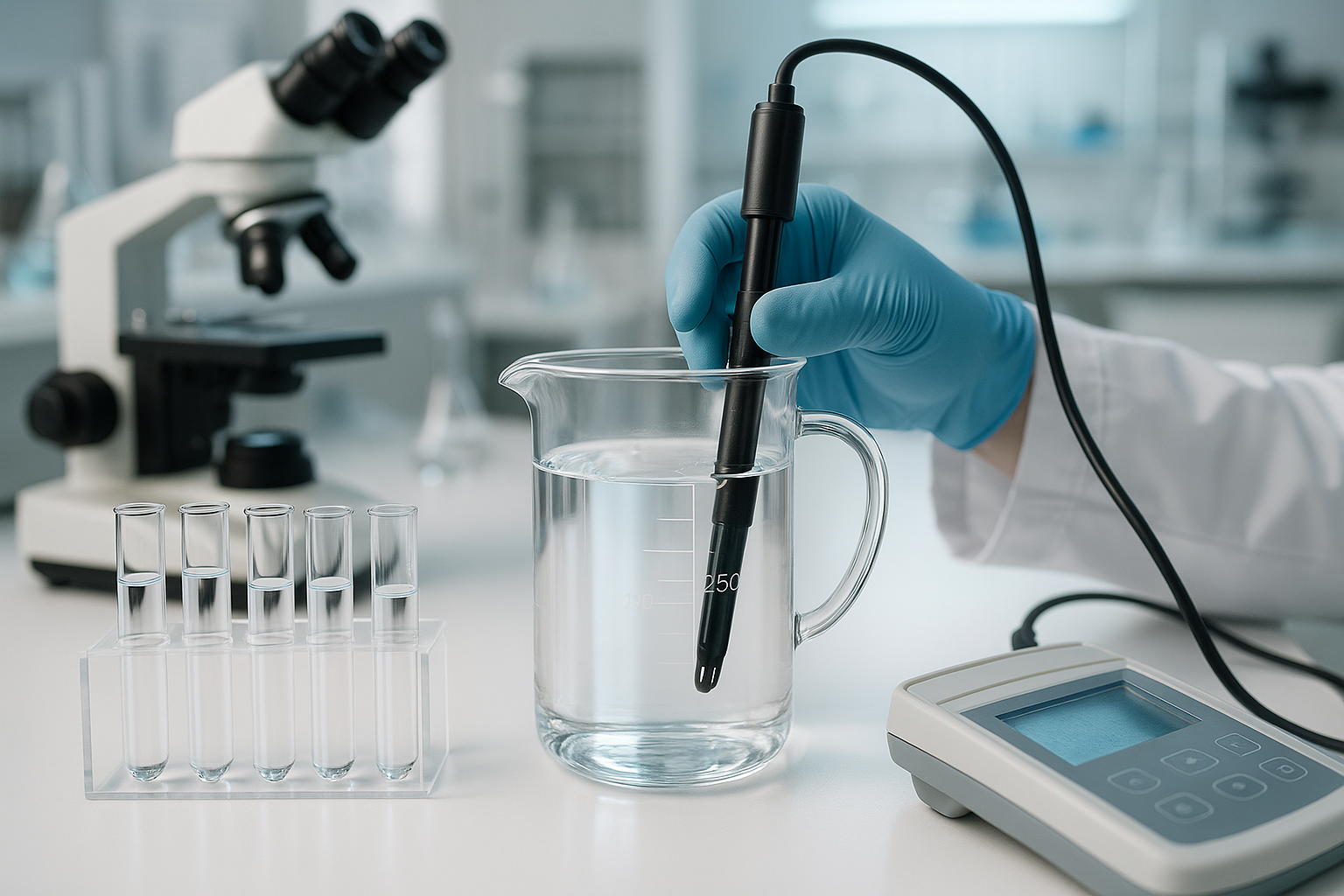
Lab Testing
- Cost: $25-$50 for hardness test
- Accuracy: Precise measurement
- Best for: Sizing a water softener correctly
Solutions for Hard Water
1. Salt-Based Water Softener
Most effective solution
- How it works: Ion exchange removes calcium/magnesium
- Cost: $1,500-$4,000 installed
- Maintenance: Add salt monthly ($5-$15)
- Result: Truly soft water (0-3 GPG)
2. Salt-Free Conditioner
Reduces scale, doesn't soften
- How it works: Changes mineral structure so it doesn't stick
- Cost: $1,000-$3,000 installed
- Maintenance: Minimal
- Result: Less scale, but water still tests "hard"
3. Magnetic/Electronic Descalers
Questionable effectiveness
- Cost: $50-$300
- Maintenance: None
- Result: Mixed reviews, limited scientific support
Softener Sizing
Proper sizing is important:
- Calculate: (People × 75 gallons/day) × GPG hardness
- Example: 4 people × 75 gal × 15 GPG = 4,500 grains/day
- Softener should handle 7 days between regeneration
We service all major pump brands including Franklin Electric, Grundfos, Goulds (Xylem), and Sta-Rite (Pentair). Our trucks carry common parts and components for same-day repairs.
Frequently Asked Questions
What hardness level is too hard for well water?
Above 7 GPG (120 mg/L) is considered hard and benefits from treatment. Above 10.5 GPG causes significant issues. Most San Diego County wells are 10-25+ GPG.
Is hard well water bad for you?
No—hard water is safe to drink. The minerals (calcium, magnesium) are actually beneficial. Hard water issues are practical (scale, cleaning) not health-related.
How do I know if my well water is hard?
Signs: white scale on faucets, soap doesn't lather, spotty dishes, dry skin. Test with strips or lab analysis to know exact level.
Will a water softener remove all minerals?
Water softeners remove hardness minerals (calcium, magnesium) but not other minerals or contaminants. You may still need other treatment for iron, bacteria, etc.
Is softened water safe to drink?
Generally yes, but softened water contains slightly more sodium. People on low-sodium diets may want to drink from a bypass tap or add RO for drinking water.
Dealing with Hard Well Water?
See our water testing for hardness analysis.
Related Articles
Continue learning about well maintenance and troubleshooting