SC By SCWS Team | February 2, 2026 | 16 min read
10 Common Well Pump Problems: Complete Troubleshooting Guide
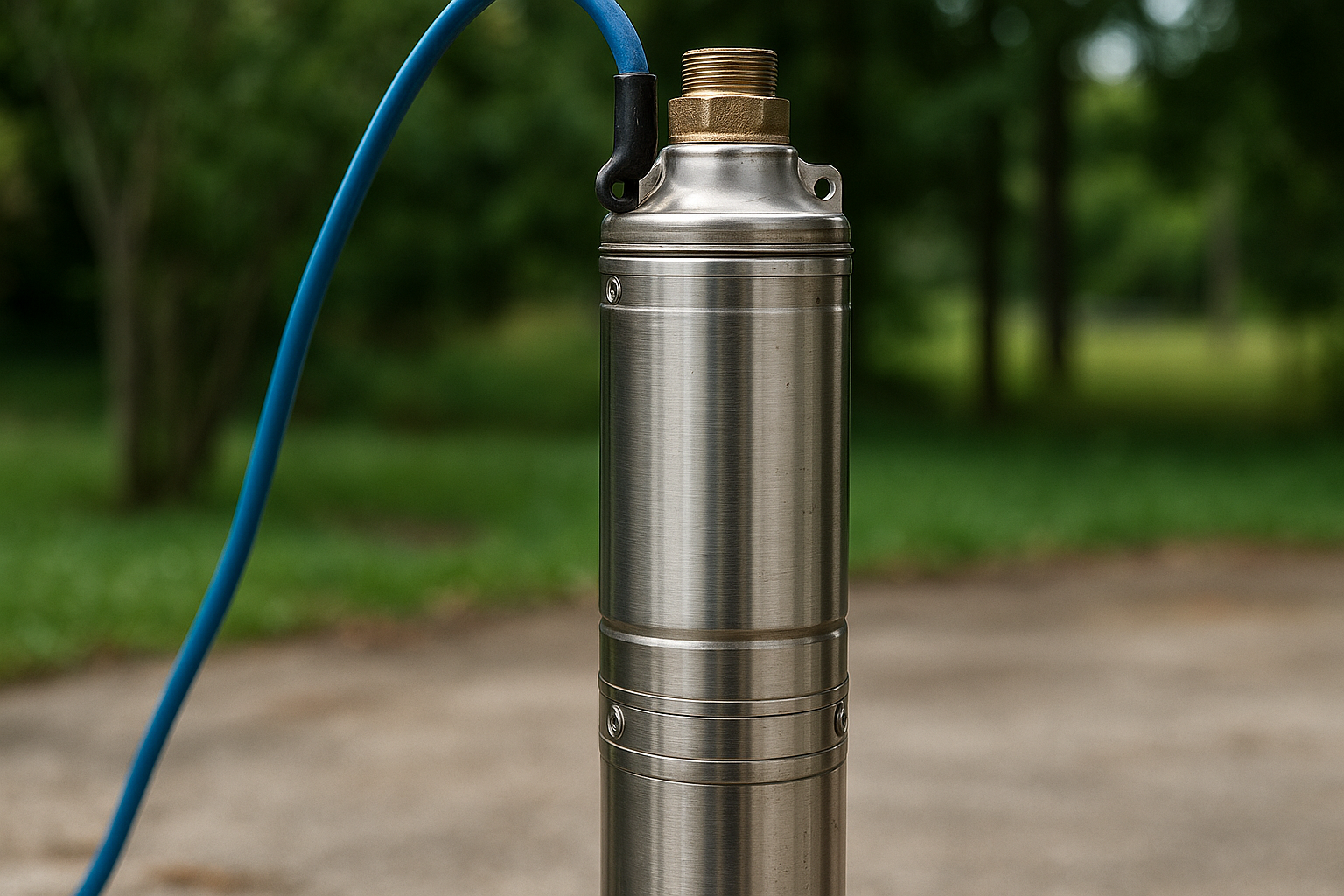
Your well pump is acting strange—reduced pressure, weird noises, or inconsistent water flow. You know something's wrong, but what exactly? Well pump problems rarely appear without warning. Understanding common issues, their symptoms, and solutions helps you catch small problems before they become expensive emergencies. This comprehensive guide covers the 10 most common well pump problems homeowners face, how to diagnose them, and when professional help is essential.
📋 In This Guide
- Problem #1: No Water at All (Complete Pump Failure)
- Problem #2: Low Water Pressure
- Problem #3: Pump Runs Continuously
- Problem #4: Pump Short-Cycles (Frequent On/Off)
- Problem #5: Sputtering Faucets & Air in Lines
- Problem #6: Cloudy, Sandy, or Muddy Water
- Problem #7: Pump Won't Start (Electrical Issues)
- Problem #8: Pump Runs But Produces No Water
- Problem #9: High Electric Bills (Pump Running Excessively)
- Problem #10: Unusual Noises (Grinding, Clicking, Humming)
- When to Call a Professional vs. DIY
- Preventing Well Pump Problems
- Frequently Asked Questions
- Related Well Pump Resources
- Related Articles
🔧 Need Expert Diagnosis?
(760) 440-8520
Professional well pump troubleshooting and repair. Same-day service available throughout San Diego County.
Problem #1: No Water at All (Complete Pump Failure)
Symptoms:
- Zero water flow from any faucet
- Pressure gauge reads zero
- Complete silence when faucets opened (no pump sound)
- System was working normally, then suddenly stopped
Common Causes:
1. Tripped Circuit Breaker (Most Likely)
- Power surge or lightning
- Pump motor drawing excess current
- Electrical short in system
- Check: Electrical panel for tripped breaker
2. Burned-Out Pump Motor
- Age (typical lifespan 10-15 years)
- Running dry (water level dropped below pump)
- Overheating from continuous operation
- Check: Breaker fine but pump completely silent
3. Failed Pressure Switch
- Contacts corroded or stuck open
- Internal mechanism failed
- Moisture or mineral buildup
- Check: No clicking sound when pressure drops
4. Control Box Failure (Submersible Pumps)
- Blown capacitors or relays
- Lightning damage
- Overheating
- Check: Burning smell or visible damage to control box
Solutions:
DIY (if safe):
- Reset tripped breaker ONCE (if it trips again, call professional)
- Check for obvious disconnects or switched-off power
Professional Required:
- Breaker trips repeatedly = electrical problem
- No pump sound with power on = motor or switch failure
- Control box damage = replacement needed
Cost Range: $250-$500 (pressure switch) to $1,500-$4,500 (pump motor replacement)
Problem #2: Low Water Pressure
Symptoms:
- Water flows but noticeably weaker than normal
- Pressure gauge reads below 40 PSI
- Weak flow from multiple faucets
- Slow toilet tank refills
- Poor shower pressure
Common Causes:
1. Incorrect Pressure Switch Settings
- Cut-in/cut-out pressures set too low
- Someone adjusted settings incorrectly
- Factory settings may not match your needs
2. Waterlogged Pressure Tank
- Bladder failed or air charge lost
- Tank can't maintain pressure
- Pump runs frequently, pressure still low
3. Worn Pump or Impellers
- Pump still runs but can't generate full pressure
- Gradual decline over months/years
- Sand or sediment wore down components
4. Clogged Screen or Intake
- Sediment blocking water flow
- More common in sandy soil areas
- Pressure gradually decreased over time
5. Partially Closed Valve
- Someone accidentally turned down main valve
- Valve damaged or corroded
- Check all valves between well and house
Solutions:
DIY:
- Check all valves are fully open
- Test pressure tank (tap test—should sound hollow on top)
- Monitor pressure gauge readings
Professional:
- Pressure switch adjustment or replacement
- Pressure tank replacement
- Pump assessment and potential replacement
- Well cleaning if clogged screen suspected
Cost Range: $250-$500 (switch adjustment) to $600-$1,400 (tank replacement) to $1,500+ (pump replacement)
Problem #3: Pump Runs Continuously
Symptoms:
- Pump never shuts off
- Constant motor sound
- Pressure gauge shows low or fluctuating pressure
- High electric bills
- Pump overheating
Common Causes:
1. Pressure Switch Stuck or Misadjusted
- Contacts welded closed
- Cut-out pressure set too high
- Mechanism jammed
2. Leak in System
- Underground pipe leak
- Toilet running constantly
- Irrigation system malfunction
- Pressure tank leak
3. Pump Can't Build Pressure
- Worn impellers
- Failing pump motor
- Drop pipe leak (water pumping back into well)
- Check valve failure
4. Low Water Level
- Water level dropped below pump intake
- Pump drawing air instead of water
- Can't generate sufficient pressure
🚨 URGENT: Don't Let Pump Run Dry
If your pump runs continuously but you have little or no water, turn it OFF immediately at the breaker. Running dry destroys pump motors in 5-10 minutes. Call emergency service: (760) 440-8520
Solutions:
DIY:
- Check for obvious leaks (running toilets, outdoor faucets)
- Turn off all water, see if pump stops
- Monitor water meter for continuous flow
Professional:
- Pressure switch replacement
- Leak detection and repair
- Pump performance testing
- Water level assessment
Cost Range: $250-$500 (switch) to $1,500+ (pump replacement if worn)
Problem #4: Pump Short-Cycles (Frequent On/Off)
Symptoms:
- Pump turns on and off every 30 seconds to few minutes
- Even without water use, pump cycles frequently
- Pressure gauge fluctuates rapidly
- Rapid wear on pump components
Common Causes:
1. Waterlogged Pressure Tank (Most Common)
- No air cushion remaining
- Bladder ruptured
- Tank lost pre-charge pressure
2. Pressure Switch Gap Too Narrow
- Cut-in and cut-out too close together
- Not enough pressure differential
- Typical setting: 40 PSI on, 60 PSI off
3. Undersized Pressure Tank
- Tank too small for household demand
- Pump cycles more frequently than necessary
- Especially problematic with high-output pumps
4. Check Valve Leaking
- Water draining back into well between cycles
- Pressure drops, pump restarts
- More common in submersible pump systems
Why Short-Cycling is Serious:
- Dramatically shortens pump lifespan (motors not designed for frequent starts)
- Increases electricity costs
- Causes premature wear on pressure switch
- Stress on electrical components
Solutions:
DIY Diagnosis:
- Tap pressure tank (should sound hollow on top)
- Check air valve on tank (if bladder type)
- Count pump cycles per hour
Professional Repair:
- Pressure tank replacement (most common fix)
- Pressure switch adjustment
- Check valve replacement
- Tank sizing consultation
Cost Range: $250-$400 (check valve or switch adjustment) to $600-$1,400 (tank replacement)
Problem #5: Sputtering Faucets & Air in Lines
Symptoms:
- Water flow interrupted by air bursts
- Spitting, sputtering faucets
- Milky or cloudy water initially, then clears
- Inconsistent pressure
- Gurgling sounds in pipes
Common Causes:
1. Pump Drawing Air (Low Water Level)
- Water level dropped below pump intake
- Common during drought
- Heavy water use lowered water table
2. Lost Prime (Jet Pumps)
- Air entered pump housing
- Foot valve failure
- After power outage or maintenance
3. Leak on Suction Side
- Air being pulled into system
- Drop pipe connection loose
- Cracked pipe underwater
4. Pressure Tank Problem
- Bladder failure allowing air/water mixing
- Incorrect air charge
- Tank sizing issues
Solutions:
If Low Water Suspected:
- Turn off pump immediately (don't run dry)
- Call professional to assess water level
- May need pump lowered or well deepened
For Jet Pumps:
- Repriming may restore operation
- Check foot valve
- Inspect for leaks
Professional Diagnosis Required:
- Water level measurement
- Leak detection
- Pressure tank assessment
- Drop pipe inspection
Cost Range: $300-$600 (repriming, minor repairs) to $1,200-$3,500 (pump lowering or well work)
Problem #6: Cloudy, Sandy, or Muddy Water
Symptoms:
- Water visibly discolored or cloudy
- Sediment settles in glass
- Grit in water (sand or particles)
- Changed suddenly (was clear before)
- Sediment damages fixtures or appliances
Common Causes:
1. Pump Set Too High in Well
- Pump intake near top of water column
- Drawing disturbed surface water
- Water level dropped, exposing pump to sediment
2. Failed or Damaged Pump Screen
- Screen corroded or broken
- Pump pulling unfiltered water
- Common in older pumps (15+ years)
3. Well Screen Deterioration
- Well casing screen corroded
- Slots widened, allowing sediment
- More common in wells 20+ years old
4. Recent Well Work or Disturbance
- Pump recently replaced or serviced
- Sediment stirred up, will settle over days
- Usually temporary
5. Pump Running Too Fast (Wrong Size)
- Oversized pump pulling water too aggressively
- Creates turbulence, drawing sediment
Solutions:
If Recently Started After Well Work:
- Run water until clear (outdoor faucet)
- May take several hours or days
- Install sediment filter temporarily
If Sudden and Persistent:
- Professional inspection required
- Camera inspection of well
- Pump screen replacement
- Pump repositioning
- Well rehabilitation if casing damaged
Cost Range: $500-$1,200 (pump adjustment/screen replacement) to $2,000-$5,000+ (well rehabilitation)
Problem #7: Pump Won't Start (Electrical Issues)
Symptoms:
- Complete silence when faucets opened
- Breaker is ON but pump won't run
- No response from pressure switch
- May have power to some components but not pump
Common Causes:
1. Pressure Switch Failure
- Contacts corroded, won't close
- Internal mechanism stuck
- Moisture damage
2. Control Box Failure (Submersible)
- Capacitors blown
- Relays failed
- Visible burn marks or smell
3. Wiring Problems
- Disconnected wire
- Corroded connection
- Rodent damage to underground cable
- Junction box moisture
4. Bad Pump Motor (Open Circuit)
- Winding failure inside motor
- Complete internal electrical failure
- Won't draw any current
Solutions:
DIY Checks (Safety First!):
- Verify breaker is ON and not tripped
- Check for GFI or secondary breakers
- Look for obvious disconnects
⚠️ Electrical Safety Warning
Well pump electrical systems operate at 240 volts—potentially deadly. Never open control boxes, test wires, or attempt electrical repairs unless you're a licensed electrician. Always call professionals for electrical troubleshooting.
Professional Diagnosis:
- Voltage testing at various points
- Continuity checks
- Amperage draw measurement
- Component-by-component isolation
Cost Range: $250-$500 (pressure switch) to $400-$900 (control box) to $300-$800 (wiring repairs)
Problem #8: Pump Runs But Produces No Water
Symptoms:
- Can hear pump motor running
- Pressure gauge stays at zero or very low
- No water at any faucet
- Pump doesn't shut off (runs continuously)
Common Causes:
1. Broken Drop Pipe
- Pipe disconnected inside well
- Water pumping back into well
- Corrosion or improper installation
2. Failed Check Valve
- Valve stuck open
- Water draining back
- Pump can't build pressure
3. Broken Pump Impellers or Shaft
- Motor spins but impellers don't
- Internal mechanical failure
- No water being pumped despite motor operation
4. Extremely Low Water Level
- Water dropped far below pump
- Pump drawing only air
- Severe drought conditions
🚨 SHUT OFF PUMP IMMEDIATELY
If your pump runs but produces no water, turn it OFF at the breaker right now. Running dry destroys pump motors in minutes from overheating. After turning off, call emergency service:
(760) 440-8520
Solutions:
This problem always requires professional service. Solutions depend on cause:
- Broken drop pipe: Pull pump, replace pipe ($1,500-$3,000+)
- Failed check valve: Replace valve ($400-$900)
- Broken impellers: Pump replacement required ($1,500-$4,500)
- Low water: Lower pump or deepen well ($1,200-$5,000+)
Cost Range: $400-$900 (check valve) to $1,500-$5,000+ (pump work or well deepening)
Problem #9: High Electric Bills (Pump Running Excessively)
Symptoms:
- Electricity costs increased significantly
- Pump seems to run more frequently
- Higher usage shown on electric meter
- No increase in actual water use
Common Causes:
- Short-cycling: Waterlogged tank causing frequent starts
- Hidden leak: Underground pipe, toilet, irrigation system
- Failing pump motor: Drawing more amperage as it wears
- Pressure switch issues: Cut-in pressure too high, pump runs longer
- Seasonal increase: Lawn watering, pool filling, guests
Solutions:
DIY Investigation:
- Monitor water meter with all water off (check for leaks)
- Listen for frequent pump cycling
- Check for running toilets or dripping faucets
- Review actual water usage patterns
Professional Assessment:
- Amperage draw testing (compare to pump specifications)
- Pump runtime monitoring
- Leak detection services
- System efficiency evaluation
Cost Range: Varies by underlying cause, typically $250-$1,500 for repairs
Problem #10: Unusual Noises (Grinding, Clicking, Humming)
Symptoms & Causes by Sound:
Grinding or Screeching:
- Worn bearings in motor
- Sand or sediment in pump impellers
- Pump running dry (no water lubrication)
- Action: Turn off immediately, call service
Rapid Clicking:
- Pressure switch rapidly cycling
- Electrical relay chattering
- Short-cycling condition
- Action: Check pressure tank, call if continues
Loud Humming (No Running Sound):
- Seized pump shaft (motor stuck)
- Capacitor failure (motor can't start)
- Heavy sediment locked pump
- Action: Turn off immediately—fire risk
Cavitation (Gurgling, Bubbling):
- Air entering system
- Low water level
- Suction leak (jet pumps)
- Action: Turn off pump, check water level
Banging or Hammering:
- Water hammer from quick valve closure
- Loose pipes or mounting
- Pressure tank problems
- Action: Check all mounting hardware, consider arrestors
Solutions:
Unusual noises indicate developing problems—don't ignore them. Professional diagnosis can prevent catastrophic failure:
- Record when and how sounds occur
- Note if sounds are new or worsening
- Schedule service before complete failure
- Turn off pump if sounds are severe (grinding, seizing)
Cost Range: $300-$800 (minor repairs, adjustments) to $1,500-$4,500 (pump replacement)
🔧 Experiencing These Problems?
Don't wait for small problems to become expensive emergencies. Professional diagnosis catches issues early when repairs are simpler and less costly. Our experienced technicians have seen every well pump problem imaginable—we diagnose fast and provide honest recommendations.
(760) 440-8520
Same-day service available • Serving all San Diego County
When to Call a Professional vs. DIY
Safe DIY Actions:
- Checking and resetting breakers (once)
- Reading pressure gauge
- Testing pressure tank with tap test
- Checking for obvious leaks
- Monitoring pump cycling frequency
- Verifying valves are open
- Observing and documenting symptoms
ALWAYS Call Professional For:
- Electrical diagnostics and repairs
- Pump replacement or removal
- Control box work
- Pressure switch adjustment/replacement
- Underground leak detection
- Well inspection or rehabilitation
- Water level measurement
- Repeated breaker trips
- Burning smells or visible damage
- Complete system failure
Preventing Well Pump Problems
An ounce of prevention truly is worth a pound of cure with well pumps:
Annual Professional Inspection
- Cost: $150-300
- Includes: Pressure testing, electrical checks, flow rate, component inspection
- Benefit: Catches problems before failure, extends pump life
Monitor Warning Signs
- Document pressure gauge readings monthly
- Listen for changes in pump sound or frequency
- Watch for water quality changes
- Track electric bills for unusual increases
- Note any new symptoms immediately
Age-Based Replacement
- Submersible pumps: Replace at 12-15 years
- Jet pumps: Replace at 8-12 years
- Pressure tanks: Replace at 10-15 years
- Pressure switches: Replace at 7-10 years
Proactive replacement costs 30-50% less than emergency service and lets you choose convenient timing.
Frequently Asked Questions
What are the most common well pump problems?
The most common problems are: tripped breakers, failed pressure switches, burned-out pump motors, waterlogged pressure tanks, low water pressure, sputtering faucets, short-cycling pumps, control box failures, electrical wiring issues, and clogged screens. Most can be diagnosed by observing symptoms like pressure changes and pump behavior.
How do I know if my well pump is failing?
Warning signs include: reduced water pressure, sputtering or air in water lines, frequent pump cycling, unusual noises (grinding, clicking), higher electric bills, cloudy or sandy water, and inconsistent water flow. These symptoms indicate problems developing that will worsen without attention.
Can well pump problems be fixed without replacing the pump?
Yes, many problems don't require pump replacement. Pressure switch failures, waterlogged tanks, control box issues, and electrical problems can often be repaired. However, burned-out motors, broken impellers, and severely worn pumps require complete replacement.
What causes a well pump to short cycle?
Short-cycling (pump turning on/off frequently) is typically caused by waterlogged pressure tanks, incorrect pressure switch settings, leaks in the system, or undersized pressure tanks. It causes excessive wear and dramatically shortens pump lifespan.
How much does it cost to fix well pump problems?
Costs vary by problem: pressure switch $250-500, control box $400-900, pressure tank $600-1,400, electrical repairs $300-800, complete pump replacement $1,500-4,500. Diagnostic service calls are $150-300. Emergency after-hours service costs 25-50% more.
Expert Well Pump Problem Diagnosis
Recognizing symptoms is the first step—accurate diagnosis and proper repair require experience and specialized tools. Southern California Well Service has diagnosed and repaired thousands of well pump problems throughout San Diego County. We provide honest assessments, fair pricing, and solutions that last. Don't let small problems become big emergencies—call the professionals.
Professional Diagnosis • Same-Day Service • Fair Pricing • Licensed & Insured
Serving: Julian • Ramona • Escondido • Alpine • Valley Center • Borrego Springs • All San Diego County