
You're enjoying a warm shower when someone flushes the toilet—suddenly the water turns scalding hot or slows to a trickle. This frustrating scenario is one of the most common complaints from well owners, and it usually has a straightforward solution.
📋 In This Guide
- Understanding the Problem
- Common Causes
- Solutions
- Quick Diagnostic Steps
- Tired of Pressure Drops?
- Frequently Asked Questions
- Related Articles
The problem isn't your plumbing—it's that your well system can't deliver water fast enough to meet sudden demand spikes. Here's why it happens and how to fix it.
Understanding the Problem
When a toilet flushes, it demands 2-3 gallons of water in about 30-60 seconds to refill the tank. This sudden spike creates competing demand with whatever else is running.
How Well Systems Handle Demand
- Pressure tank stores water: The tank holds pressurized water for immediate use
- Fixtures draw water: Opening taps pulls water from the tank
- Pressure drops: As water leaves the tank, pressure decreases
- Pump kicks on: When pressure hits the cut-in point (typically 30-40 psi), the pump starts
- Pump refills tank: Fresh water enters the tank, pressure builds
- Pump shuts off: At cut-out pressure (typically 50-60 psi), pump stops
The problem occurs when demand exceeds the combined capacity of your tank's reserve and pump's output. Pressure drops faster than the system can recover.
Common Causes
1. Undersized Pressure Tank
The most common cause. Many homes have pressure tanks that are too small for the household's demand.
What matters: Not total tank size, but drawdown capacity—the usable water between cut-in and cut-out pressure. A "40-gallon" tank only provides about 10-15 gallons of drawdown.
| Tank Size | Approximate Drawdown | Best For |
|---|---|---|
| 20 gallon | 5-6 gallons | 1 bathroom, minimal demand |
| 32 gallon | 8-10 gallons | 1-2 bathroom home |
| 44-50 gallon | 12-15 gallons | 2-3 bathroom home |
| 80+ gallon | 20-25 gallons | Large homes, multiple users |
If your tank is undersized, you'll notice pressure drops whenever demand exceeds that small reserve—which happens easily when a toilet (3 gallons) competes with a shower (2 GPM continuous).
2. Waterlogged Pressure Tank
Bladder tanks fail over time. When the bladder ruptures or loses air charge, the tank fills with water instead of maintaining an air cushion. A waterlogged tank has essentially zero drawdown.
Signs of a waterlogged tank:
- Pump cycles on/off rapidly (short cycling)
- Pressure gauge bounces when water runs
- Tank sounds solid when tapped (no hollow area)
- Pressure drops instantly when any fixture opens
3. Undersized or Weak Pump
If your pump can't deliver water as fast as you're using it, pressure will drop during heavy use regardless of tank size.
Typical residential pump outputs:
- ½ HP pump: 5-10 GPM
- ¾ HP pump: 10-15 GPM
- 1 HP pump: 15-20 GPM
A family shower (2 GPM) + dishwasher (2 GPM) + toilet filling (3 GPM burst) = 7+ GPM demand. If your pump only produces 8 GPM, you have little margin.
Pump output also decreases with well depth and wear. An aging pump may deliver less than its rated capacity.
4. Low Well Yield
If your well can't supply water as fast as the pump tries to draw it, you'll experience pressure drops—especially during peak demand.
Signs of low yield:
- Problems worse during dry season
- Pressure recovers if you wait between uses
- Air spurts from faucets after heavy use
- Well "runs dry" temporarily
See: Well Not Producing Enough Water
5. Restricted Plumbing
Pressure drop can also come from plumbing issues:
- Partially closed shutoff valves
- Clogged pipes (mineral buildup, especially in galvanized steel)
- Undersized main supply line
- Clogged sediment filters or treatment equipment
If pressure drop only affects certain fixtures, the restriction is likely in that branch of plumbing rather than the well system.
6. Pressure Switch Settings
A narrow pressure range (like 30/50 instead of 40/60) means the pump cycles more frequently with less reserve. The wider the range between cut-in and cut-out, the more drawdown you have.
Solutions
1. Upgrade Your Pressure Tank
The most common and cost-effective fix. Upgrading from a 20-gallon to an 80-gallon tank can dramatically improve pressure stability.
- Cost: $300-800 for tank + installation
- Benefit: More reserve water, fewer pump cycles, stable pressure
- Sizing rule: 1 gallon of drawdown per GPM of pump output
See: Pressure Tank Sizing Guide
2. Fix a Waterlogged Tank
If your existing tank is waterlogged:
- Check air charge with pump off and pressure relieved
- Pre-charge should be 2 psi below cut-in pressure
- If bladder is failed, replace the tank
Cost: $300-600 for tank replacement
3. Install a Constant Pressure System
A variable frequency drive (VFD) or constant pressure system automatically adjusts pump speed to match demand. Instead of cycling on/off, the pump runs continuously at variable speed.
Benefits:
- Rock-steady pressure regardless of demand
- No pressure drops when fixtures turn on
- Reduced pump wear (soft starts)
- Energy savings at low demand
Cost: $1,500-3,500 for controller + installation
This is the ultimate solution for pressure fluctuation problems. See: Constant Pressure System Cost Guide
4. Upgrade the Pump
If your pump can't keep up with demand, upgrading to a larger pump increases flow rate.
Considerations:
- Must match well's yield (bigger pump doesn't help if well can't supply water)
- May require electrical upgrades
- Deeper wells need appropriately rated pumps
Cost: $1,500-4,000 for pump replacement
5. Add a Storage Tank
For low-yield wells, adding a large storage tank (500-1,000+ gallons) provides reserve that the pump can fill slowly, while the pressure system draws from storage.
Cost: $1,000-3,000 for tank + booster setup
6. Check and Replace Filters
Clogged sediment filters are a common but easily fixed cause of pressure problems. Check and replace filters regularly—monthly for heavy sediment, every 3-6 months otherwise.
Quick Diagnostic Steps
- Check the pressure gauge: Watch it while running water and flushing toilet. Does pressure drop rapidly? Does it recover when pump runs?
- Listen for pump cycling: Does the pump kick on immediately when any water runs? (Sign of waterlogged tank)
- Tap the pressure tank: Hollow sound at top = air cushion present. Solid sound throughout = waterlogged
- Check filter condition: When was the sediment filter last changed?
- Measure pump output: Time how long it takes to fill a 5-gallon bucket. Calculate GPM.
Tired of Pressure Drops?
We can diagnose your system and recommend the right solution—whether it's a larger tank, constant pressure system, or pump upgrade.
Call SCWS at (760) 440-8520
Frequently Asked Questions
- Why does my shower lose pressure when the toilet flushes?
- When the toilet fills, it suddenly draws 2-3 gallons of water. On a well system with undersized equipment, this spike in demand drops the pressure throughout the house. The most common causes are: undersized pressure tank (not enough reserve), slow pump recovery, restricted plumbing, or waterlogged pressure tank.
- What size pressure tank do I need to prevent pressure drops?
- For a typical home with 2-3 bathrooms, a 40-50 gallon pressure tank is recommended. However, drawdown capacity matters more than total size. A 40-gallon tank typically provides 10-15 gallons of drawdown. Larger families or homes with many fixtures may need 80+ gallon tanks or a constant pressure system.
- Can a constant pressure system fix this problem?
- Yes, constant pressure systems (using a variable frequency drive/VFD) automatically adjust pump speed to match demand. This maintains steady pressure regardless of how many fixtures are running. It's the most effective solution for pressure fluctuation problems, though more expensive than a tank upgrade.
- How do I know if my pressure tank is waterlogged?
- Signs include: pump turns on immediately when any water runs (short cycling), pressure drops instantly rather than gradually, and the tank sounds solid when tapped (no hollow area at the top). A properly functioning tank should have an air cushion that provides gradual pressure release.
- Will a bigger pump fix my pressure drop problem?
- Maybe. A larger pump delivers more GPM, which helps meet peak demand. However, a bigger pump won't help if your well can't produce enough water, or if the tank is too small to provide adequate reserve. The pump, tank, and well yield all need to be balanced.
- Is this pressure problem normal for well systems?
- Some minor pressure fluctuation is normal, but significant drops that affect shower temperature or water flow indicate an undersized or malfunctioning system. A properly designed well system should handle normal household demand without noticeable pressure problems.
Related Articles
Continue learning about well maintenance and troubleshooting
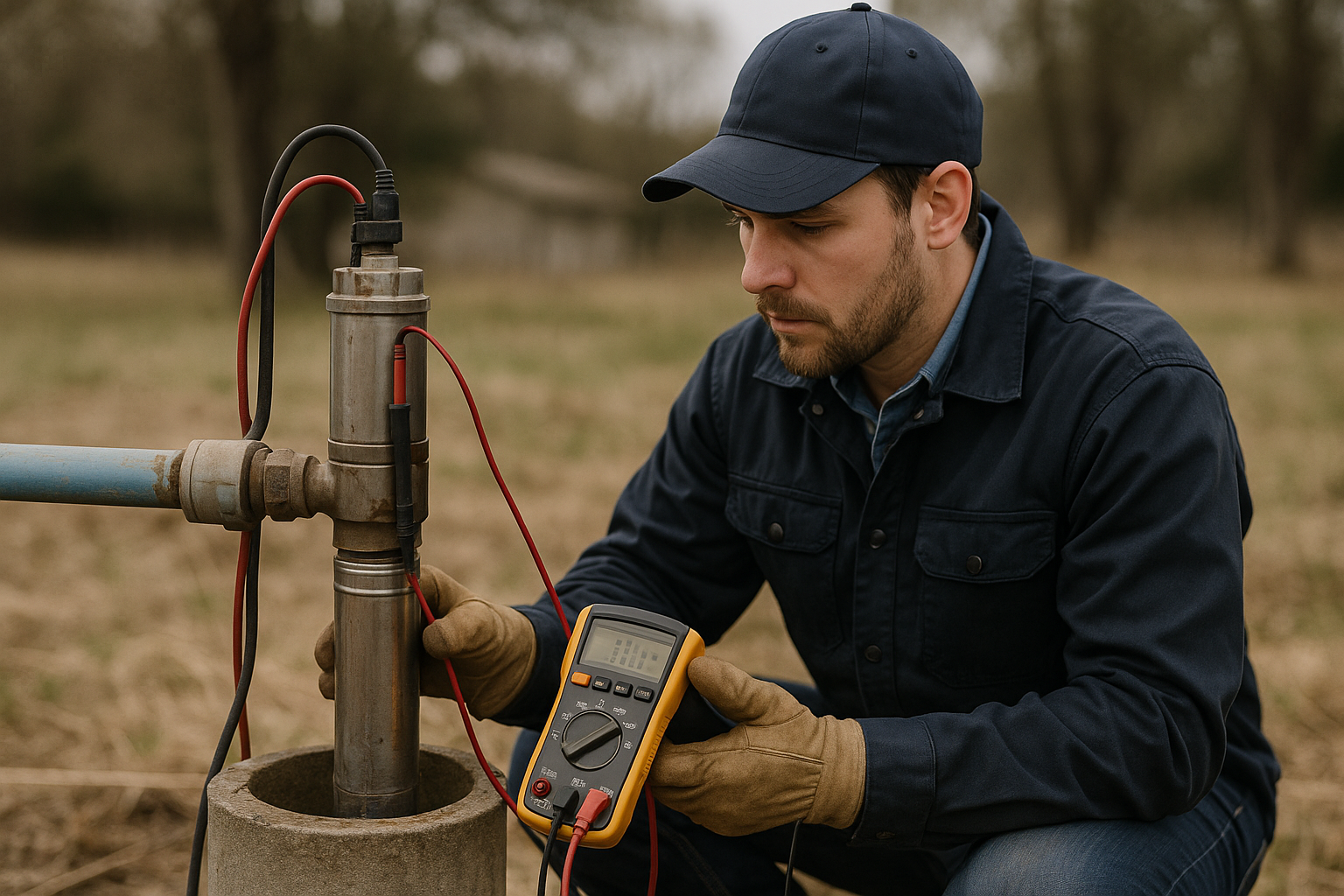
Low Water Pressure From Well: Complete Fix Guide
Diagnose and solve low pressure problems
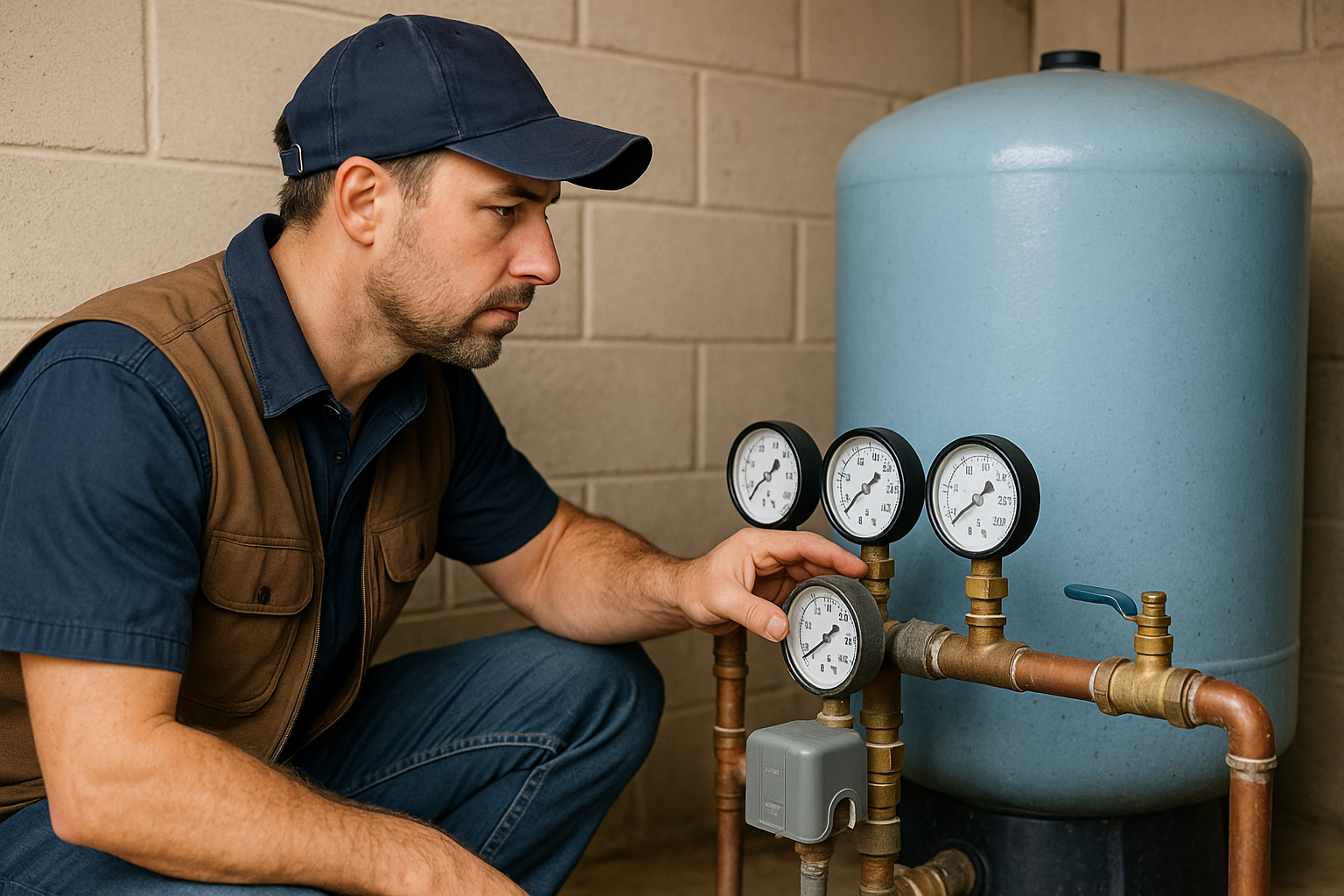
Well Pressure Switch: Settings, Adjustment & Replacement
Everything about pressure switches
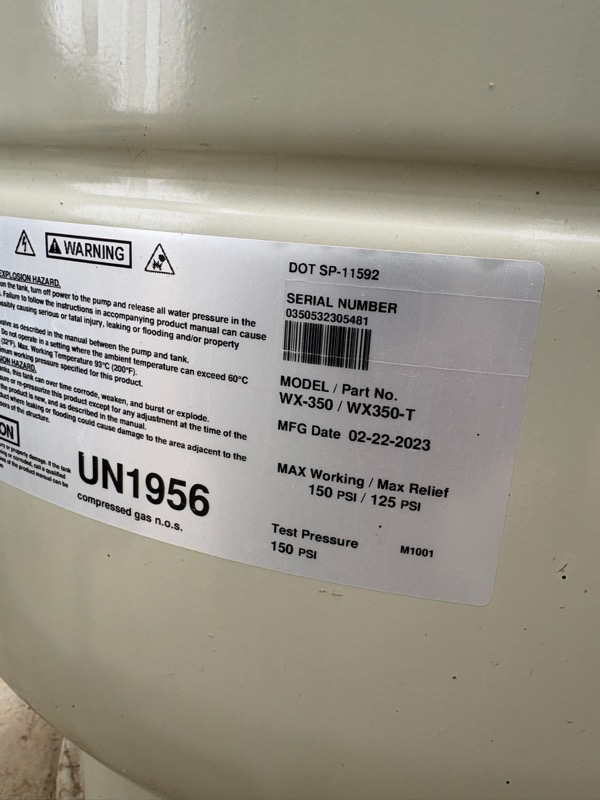
Pressure Tank Maintenance: Complete Guide
Keep your pressure tank working properly